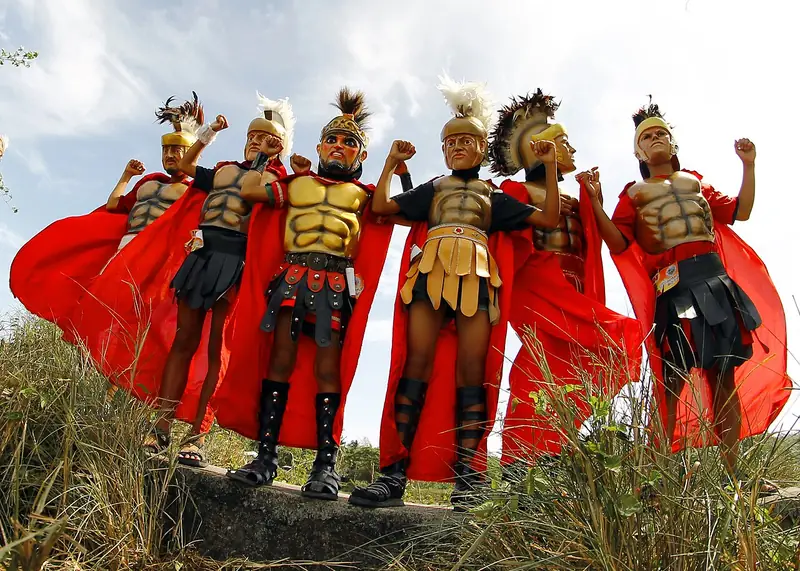
Marinduque is a small island province in the MIMAROPA region, lying in the Sibuyan Sea between the Bondoc Peninsula of Quezon and Romblon. It is frequently described as heart-shaped — an outline visible on the map that the province has embraced as an identity marker. With only six municipalities and no cities, Marinduque is one of the least populous provinces in Luzon. It is best known for the Moriones Festival, a Holy Week ritual unique in the Philippines.
Marinduque's roughly heart-shaped coastline has become central to its tourism identity. The province markets itself as the 'Heart of the Philippines,' and the shape appears on provincial seals, promotional materials, and local souvenirs. The resemblance is approximate but recognizable on a map.
The island's interior is hilly, with no major river systems and limited flat agricultural land. Coconut, rice, and root crops are the main produce. Fishing supplements the diet of coastal communities. The population is small enough that nearly everyone is connected by family or community ties within a few degrees.
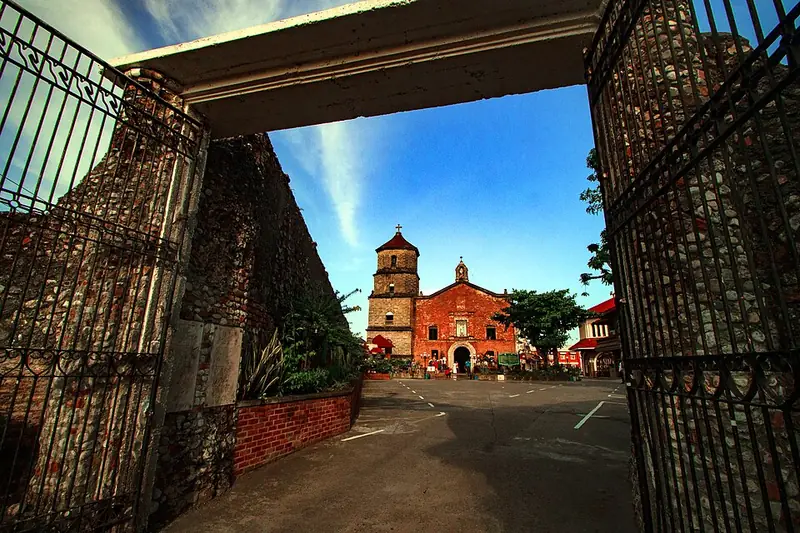
Boac, the capital, sits on the western coast and is the main town. Boac Cathedral, the Immaculate Conception Cathedral, is a fortress church still ringed by its old defensive walls; the parish dates from 1580 and the church was dedicated in 1792.
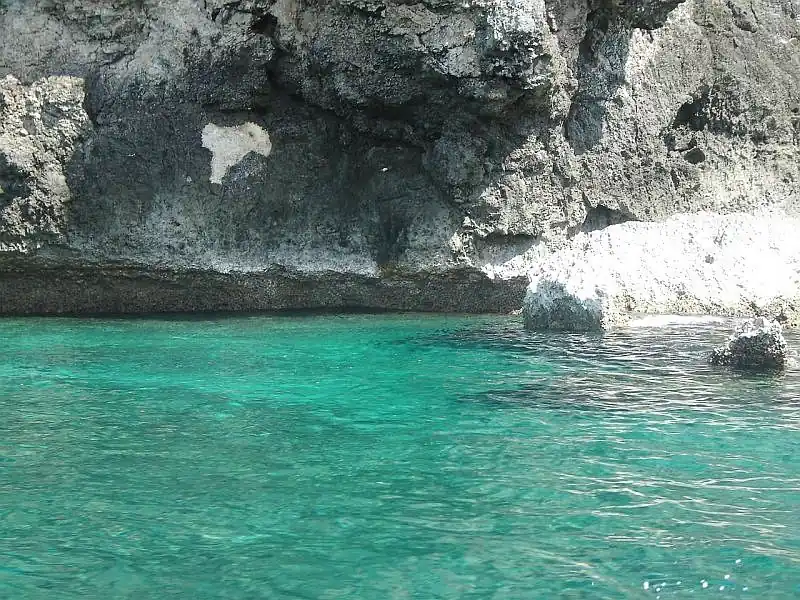
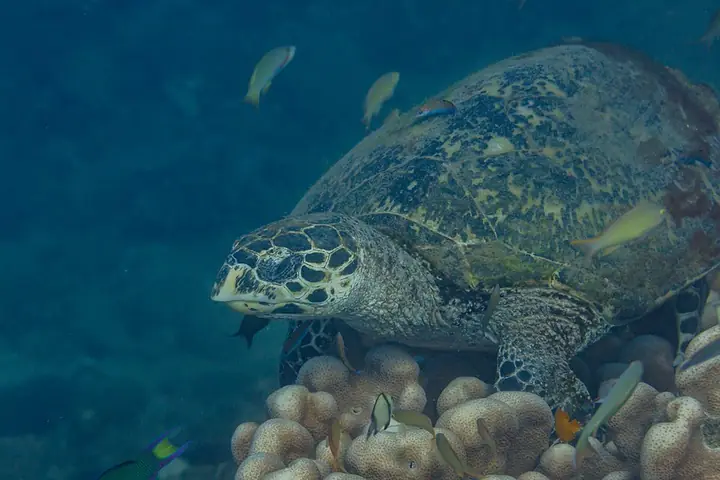
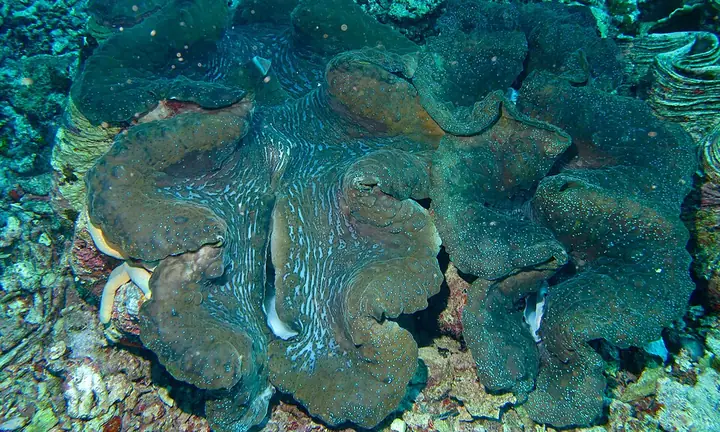
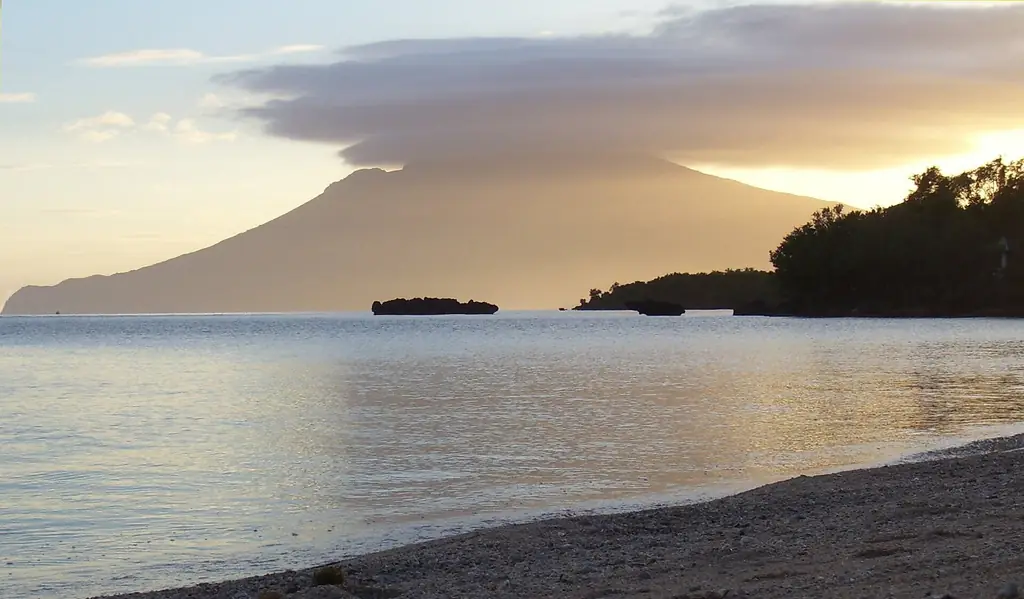
The 2024 census counted 226,522 people in Marinduque, whose six municipalities cover a land area of about 953 square kilometers. Boac is both the capital and the largest town. The island's highest point is Mount Malindig, a potentially active volcano of 1,157 meters in the south, and the province's name is most often traced to malindig, meaning "standing tall" or "elegant". Part of the Verde Island Passage, one of the world's richest marine areas, lies within its waters.