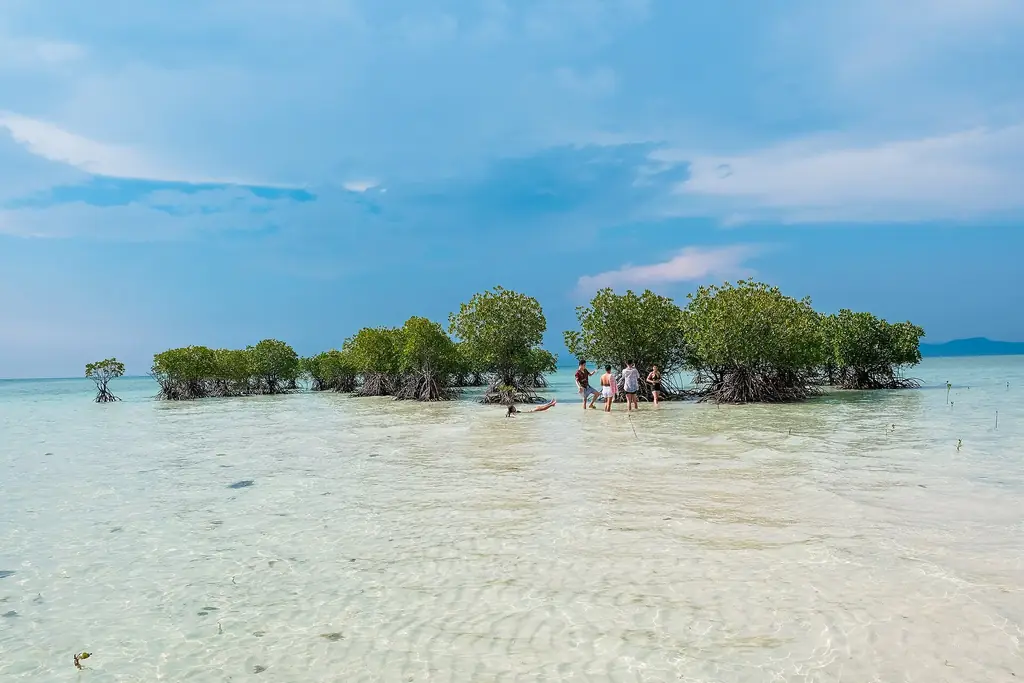
Masbate is an island province in the Bicol Region, lying between the Sibuyan and Visayan seas, at the meeting point of Luzon, the Visayas and the Bicol mainland. It is the cattle country of the Philippines — the island's rolling grasslands support large cattle herds, and the ranching tradition has shaped its culture, economy, and annual calendar. The Rodeo Masbateño is held every summer in Masbate City.
The province consists of three main islands: Masbate, Ticao, and Burias. The main island of Masbate is the largest. Burias lies to the northwest and Ticao to the northeast, and Ticao shelters the harbor of Masbate City from bad weather from the northeast. The interior is characterized by savanna-like grasslands — unusual in a Philippine island context — that developed through a combination of geology, human land use, and centuries of cattle ranching.
Masbate ranks second only to Bukidnon among Philippine provinces in raising cattle. The island's grasslands create natural pasture conditions. Cattle from Masbate are shipped live to Cebu, Manila, and other markets throughout the Visayas and Luzon.
The waters surrounding Masbate are rich fishing grounds, and the province is also an important gold-mining area. The combination of ranching, fishing, and mining makes Masbate economically diverse compared to most island provinces of similar size.
The 2024 census counted 910,813 people in Masbate's 20 municipalities and one city, Masbate City. The province is bounded by the Burias and Ticao passes to the north, the San Bernardino Strait to the east, the Visayan Sea to the south and the Sibuyan Sea to the west. Geologists describe it as sitting on a "pot of gold", and gold has been mined here since before the Spanish arrived. Moises R. Espinosa Airport in Masbate City has daily flights to Cebu and Clark.