Map

Palawan

MIMAROPA
Luzon
Capital Puerto Princesa City
Population 955,902
Area 14,650 km²
Municipalities 23
Cities 1
Island Group Luzon
Languages Tagalog, Cuyonon, Palawano, Filipino
Kapitbahay — Neighboring Provinces
An island province — the sea is the only neighbor. That isolation shaped everything here.

Palawan is the largest province in the Philippines by land area and one of its most ecologically significant. The long, narrow island chain extending from just south of Mindoro to the northern coast of Borneo forms the western edge of the Philippine archipelago. Forests cover most of the land. The surrounding seas hold some of the richest marine environments in the world. Puerto Princesa City on the eastern coast is the capital and the gateway for most travelers.

Puerto Princesa CityCapital
14,649 km²Area
23Municipalities
LuzonIsland Group
MIMAROPA (IV-B)Region

The Last Frontier

Palawan's reputation as the 'Last Frontier' is not simply promotional. It has the lowest population density of any Philippine province and the most intact forest cover. The Palawan Biosphere Reserve, designated by UNESCO, covers most of the main island. The province holds two UNESCO World Heritage Sites: the Puerto Princesa Subterranean River and the Tubbataha Reefs Natural Park.

Two UNESCO World Heritage Sites

Palawan is the only Philippine province with two UNESCO World Heritage Sites: the Puerto Princesa Subterranean River National Park (inscribed 1999) and the Tubbataha Reefs Natural Park (inscribed 1993, expanded 2009). The province also has numerous endemic species found nowhere else on earth.

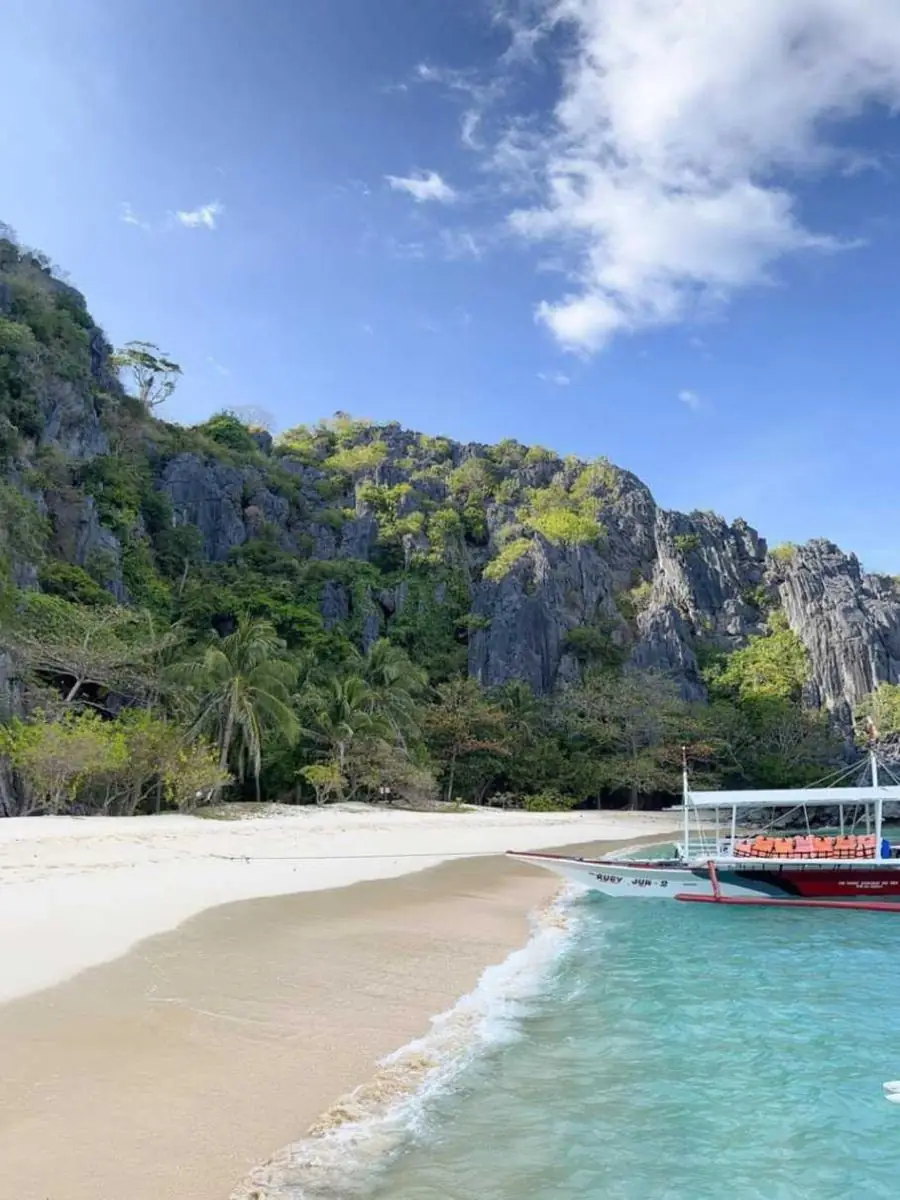
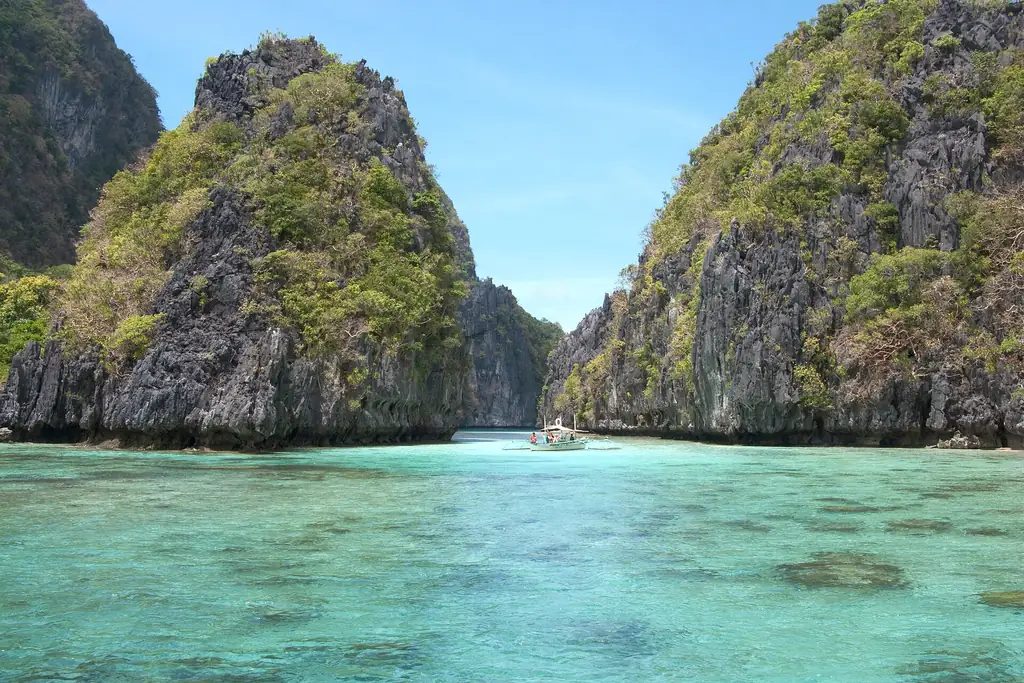
El Nido in the north and Coron in the Calamian Islands are internationally recognized destinations. El Nido's limestone karst formations rising from turquoise lagoons are among the most photographed landscapes in Southeast Asia. Coron is known for World War II wreck diving and the freshwater Kayangan Lake.

Palawan's location between the Philippines and Borneo made it a zone of contact between Austronesian, Malay, and Chinese maritime cultures long before European contact. The Tabon Caves in Quezon municipality have yielded human remains dating to approximately 22,000 to 24,000 years ago—some of the oldest evidence of human habitation in the Philippines.

c. 22,000 BCE

Tabon Cave Inhabitants

Human remains discovered in Tabon Caves in Quezon, Palawan date to at least 22,000 years ago. The Tabon Man (technically Tabon Woman based on the skull fragments) represents some of the oldest human remains found in the Philippines.

1521

Spanish Contact

Magellan's expedition passed through Palawan waters. The Spanish were aware of Palawan early in the colonial period but exercised limited control over the island due to its size and the influence of the Sultanate of Sulu in southern Palawan.

1872

Iwahig Penal Colony Established

The Spanish established a penal settlement at Iwahig, which the Americans expanded significantly. The Iwahig Prison and Penal Farm remains an operating institution and a tourist attraction near Puerto Princesa.

1944

Puerto Princesa Massacre

In December 1944, Japanese forces burned 150 American POWs alive at the Puerto Princesa airfield, fearing Allied liberation. Eleven men escaped by swimming through the bay. The massacre was documented after the war.

1999

Underground River Inscribed as UNESCO World Heritage

The Puerto Princesa Subterranean River National Park was added to the UNESCO World Heritage List. In 2011, it was named one of the New Seven Wonders of Nature.

Palawan has approximately 87 ethnolinguistic groups—the highest number of any Philippine province. Indigenous peoples include the Tagbanwa, Palawanon, Batak, Tau't Bato, Molbog, and numerous subgroups. The Tagbanwa of central Palawan are known for their indigenous script, which, like Hanunuo script, is a descendant of ancient Indic writing systems.

Cuyonon and Settler Cultures

The Cuyonon people, originally from the Cuyo Islands in the Sulu Sea, are among the largest lowland ethnolinguistic groups in Palawan. They were established merchants and fishermen before significant migration from other Philippine regions. Tagalog, Cuyonon, and Visayan are all present in the lowland commercial towns.

Tagbanwa Script

The Tagbanwa people of central Palawan use an indigenous script that is a direct descendant of the Baybayin writing system. Unlike Baybayin, which fell out of use under Spanish colonization, Tagbanwa script has been maintained in some communities as a ritual and practical writing system.

Puerto Princesa City has developed a self-conscious civic culture around environmental protection. The Palawan Council for Sustainable Development, created by a national law specific to Palawan, manages the island's resource use at a level of detail not found elsewhere in the Philippines. The city regularly enforces environmental ordinances that are considered strict by Philippine standards.

See the great festivals in Pista ng Pilipinas →

Palawan's food reflects its position at the intersection of Filipino, Malay, and Chinese culinary influences. Seafood dominates—the province's waters produce prized species including the giant clam (tahong piyansa), various groupers, and the blue-ringed napoleon wrasse that draws controversy due to its endangered status. Crocodile meat, from the Palawan crocodile farm, is a documented local specialty.

Tamilok

Woodworm (shipworm, Teredo navalis) harvested from rotting mangrove wood, eaten raw with vinegar, calamansi, chili, and onion—essentially a kinilaw preparation. It has a slightly sweet, briny flavor and a soft texture. It is the most distinctive Palawan food experience and is not available commercially elsewhere. Adventurous eaters seek it out in Puerto Princesa.

Crocodile Sisig

Crocodile meat from the Puerto Princesa crocodile farm, chopped and prepared sisig-style with onions, chili, and calamansi, served on a sizzling plate. The meat is white, lean, and firm—closer to chicken or fish than pork. It is a deliberate tourist dish that has also been adopted by locals.

Halabos na Hipon (Steamed Shrimp)

Palawan coast
5 minutesPrep
10 minutesCook
4Serves
Ingredients
  • 1 kg, heads onlarge fresh shrimp
  • 1 tspsalt
  • 1/2 cupwater
  • 6 pieces, halvedcalamansi
  • 2 tbsp for dippingfish sauce
  • 2 pieces, sliced (optional)chili (siling labuyo)
Method
  1. Place shrimp in a wide pan with water and salt.
  2. Cover and cook over high heat for 5–7 minutes until shrimp turn bright orange-red.
  3. Remove from heat and serve immediately.
  4. Mix fish sauce and calamansi juice for dipping. Add chili if desired.
Cook's note

Halabos is the simplest preparation for fresh shrimp. The quality of the shrimp determines the quality of the dish. In Palawan, the shrimp harvested near the southern islands are exceptionally sweet. Do not overcook—the shrimp should be just done.

Palawan's linguistic landscape is the most complex of any Philippine province. Filipino and English are the languages of government and education. In Puerto Princesa and other lowland towns, Cuyonon, Tagalog, Ilocano, and Cebuano are all spoken. Indigenous communities speak Tagbanwa, Palawanon, Batak, and other languages that are distinct from the Austronesian mainstream.

Cuyonon, TagalogPrimary (lowland)
Ilocano, Cebuano, IlonggoAlso spoken
Tagbanwa, Palawanon, Batak, MolbogIndigenous
Filipino, EnglishOfficial
Batak Language

The Batak people of northern Palawan speak one of the most endangered languages in the Philippines, with only a few hundred fluent speakers remaining. The Batak are nomadic hunter-gatherers whose way of life has been significantly altered by deforestation and settlement pressure.

1.5 hr flight to Puerto Princesa; also flights to El Nido and CoronFrom Manila
~5 hours by van via the national highwayEl Nido from PP
Accessible by air (Busuanga airport) or seaCoron
November to May (dry season)Best months

Places to Visit

Puerto Princesa Subterranean River

The Underground River flows through a massive cave system before emptying into the South China Sea at Sabang, north of Puerto Princesa. The navigable section is 8.2 km long—the longest navigable underground river in the world. Visitors take paddled boats through the cave interior, guided by audio commentary. Permits sell out weeks in advance during peak season.

El Nido

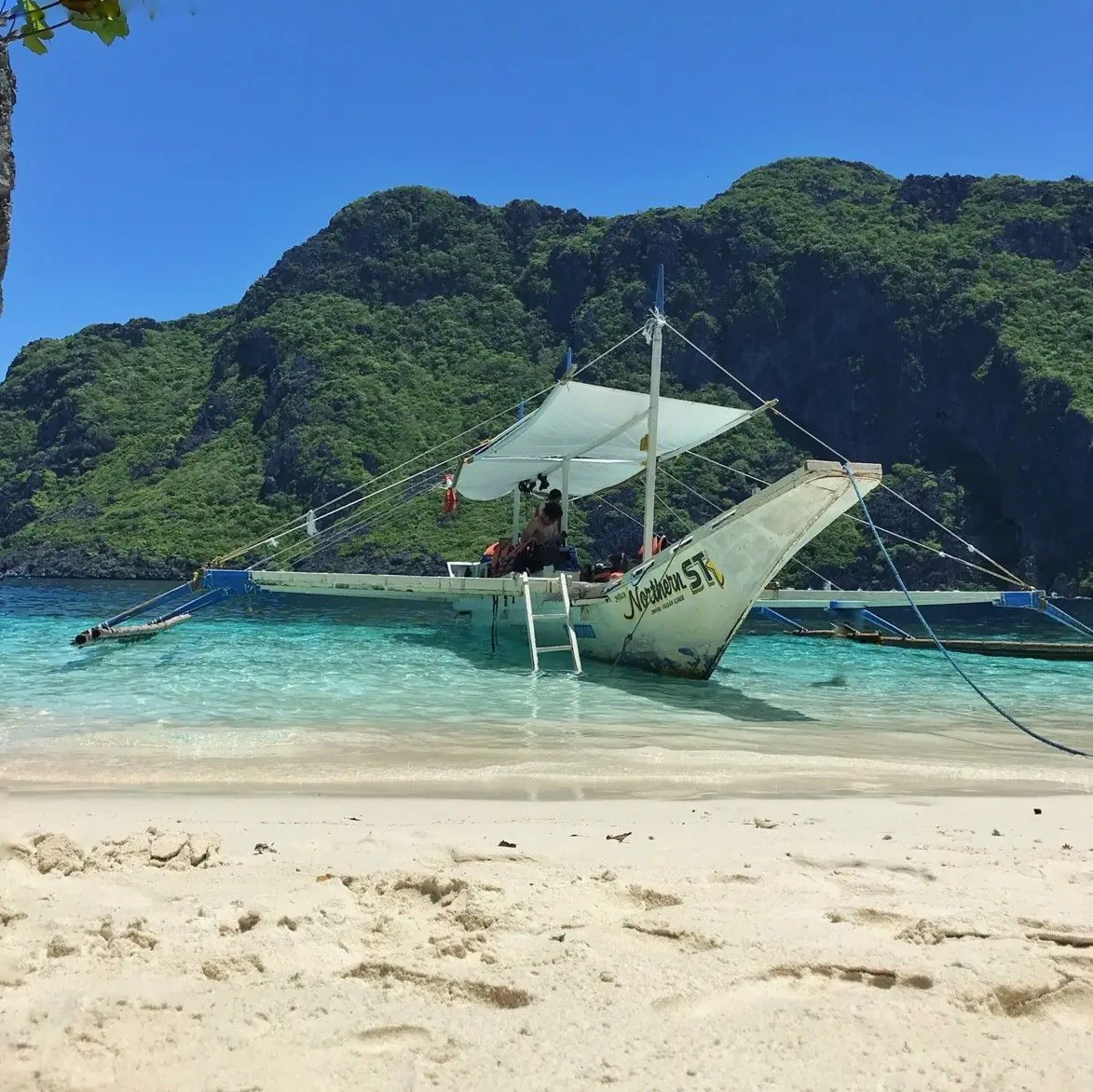
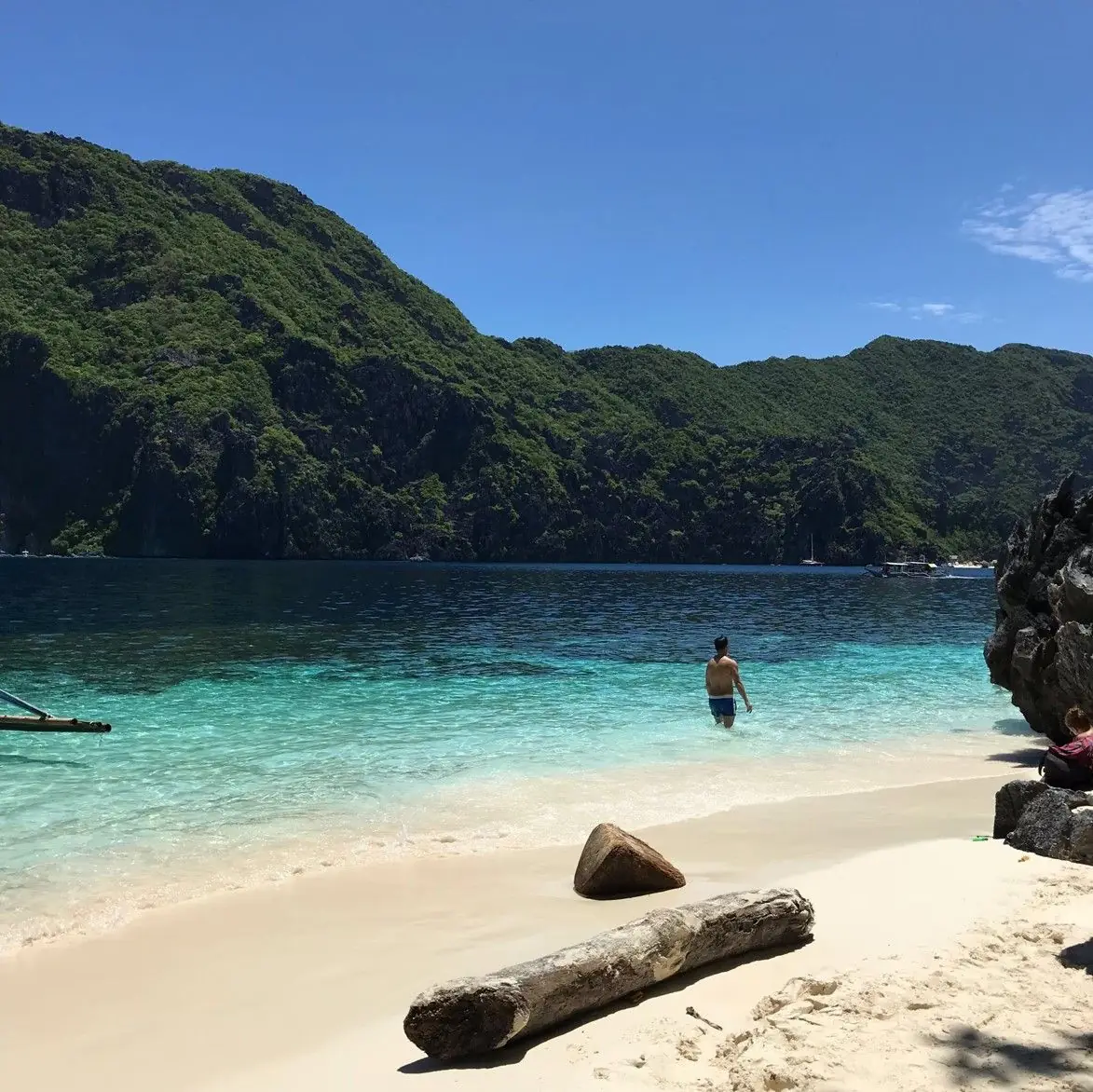
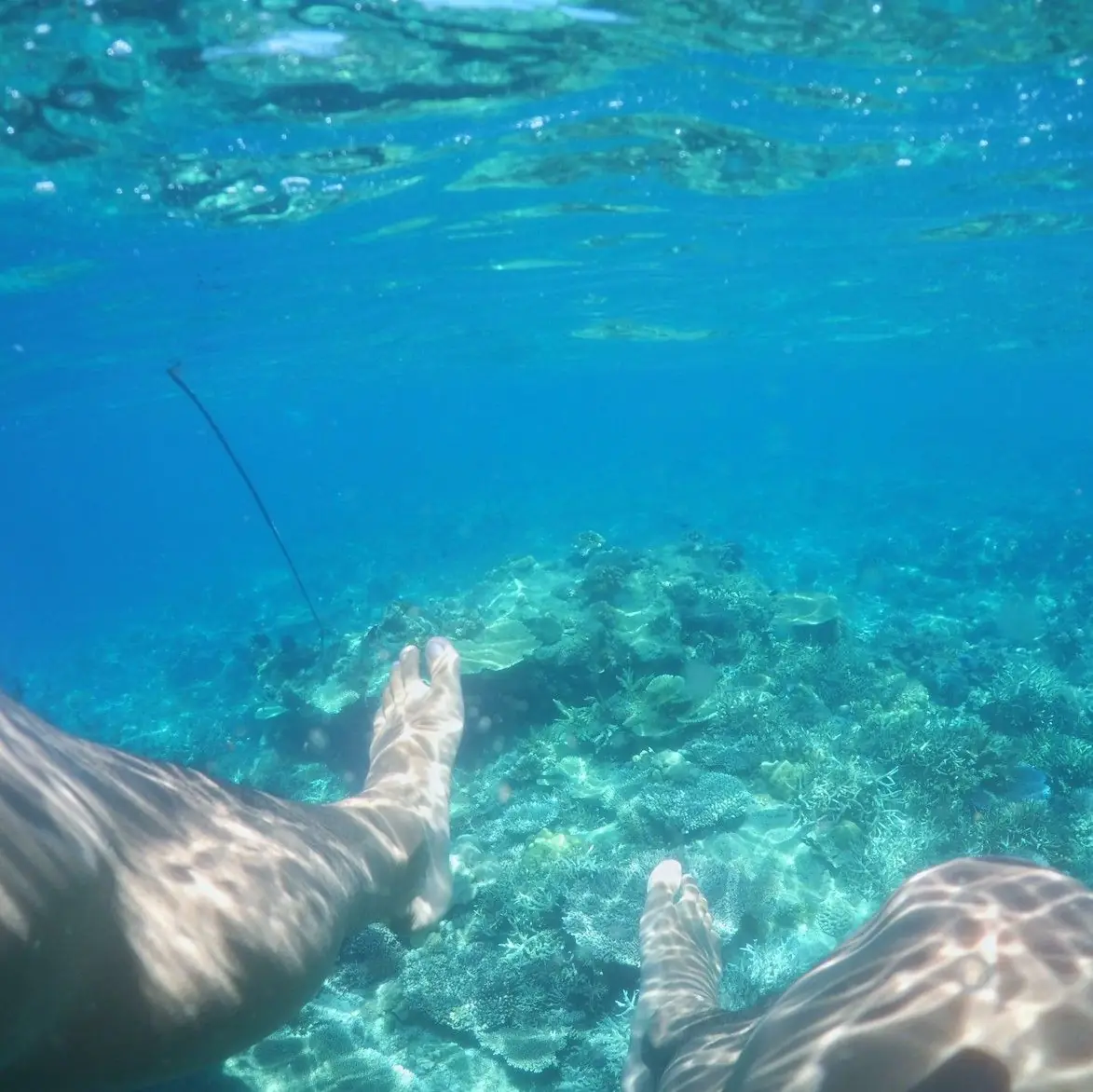
El Nido's limestone karst towers, hidden lagoons, and white sand beaches define the visual image of Palawan. Island hopping tours organized by local operators visit Big Lagoon, Small Lagoon, Secret Lagoon, and Shimizu Island. Snorkeling in the lagoons shows hard coral gardens and abundant reef fish. Accommodation ranges from budget to luxury resort.

Coron and Busuanga

Coron is the wreck diving capital of the Philippines. In September 1944, U.S. Navy planes sank a fleet of Japanese vessels in Coron Bay. The wrecks now lie at depths ranging from 10 to 40 meters and are covered in coral and marine life. Kayangan Lake—a freshwater lake enclosed by limestone walls—is often cited as the cleanest lake in Asia.

Tubbataha Reefs Natural Park

In the Sulu Sea, 150 km southeast of Puerto Princesa, Tubbataha is accessible only by liveaboard dive boat during the March–June season when the Sulu Sea is calm. The reefs support large shark, manta ray, and tuna populations. Access is strictly controlled by the Tubbataha Management Office.

Underground River Permits

Permits for the Underground River are limited to 800 visitors per day and are often fully booked weeks ahead, especially December through May. Book online through the Puerto Princesa City Tourism website as soon as travel dates are confirmed.

Draft — for verification

This nature section is a first draft prepared for editorial and factual review before publishing. Species facts, conservation status, and local sightings should be confirmed against current sources.

Palawan is often called the last ecological frontier of the Philippines. Its long chain of islands, limestone cliffs, and old forests hold a mix of species shared with Borneo and found nowhere else.

Philippine Pangolin
Manis culionensis
Critically Endangered
A scaly, ant-eating mammal found only in Palawan. It rolls into a ball when threatened. Heavy poaching for its scales and meat has pushed it close to extinction. Locally it is called balintong.
Field note: Report any sale of pangolin or their scales to authorities. Trade is illegal and the species is near collapse.
Palawan Peacock-pheasant
Polyplectron napoleonis
Vulnerable
A striking forest bird. The male has metallic blue-green feathers and a crest. It lives only in Palawan forests and is shy and hard to see.
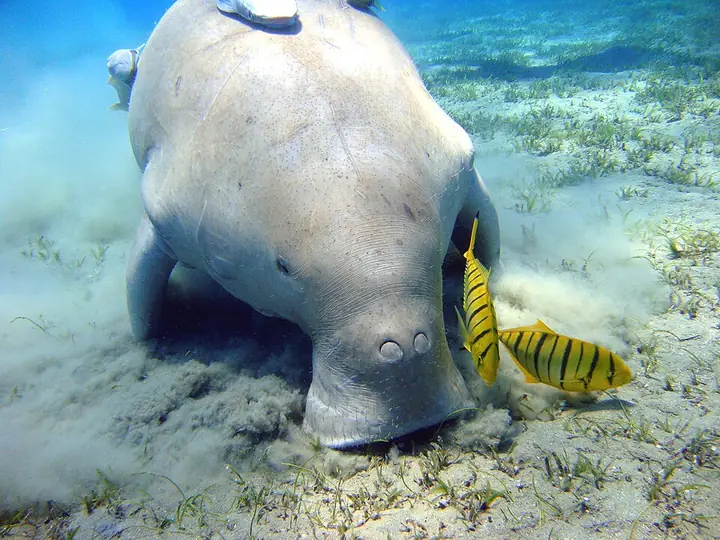
Dugong
Dugong dugon
Vulnerable
A large, gentle sea mammal that grazes on seagrass. Palawan waters, especially around Busuanga, hold some of the last healthy groups in the country.
Field note: Boat crews should slow down over seagrass beds. Propeller strikes are a leading cause of dugong death.
Meet all 65 Philippine animals in Hayop ng Pilipinas →
← All stories
Kasaysayan · Taytay

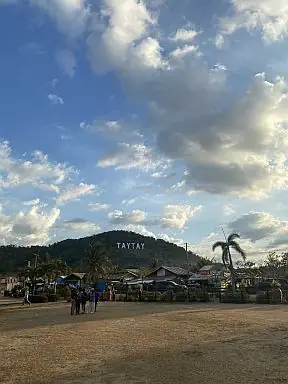
Taytay and Fort Santa Isabel

Near the northern tip of Palawan sits the old town of Taytay, rich in history and natural beauty. Founded in 1622, it was one of the first Spanish settlements on the island.

The name Taytay comes from taytayan, a wooden or bamboo walkway, marking its old role as a link between coastal areas. Long before the Spanish, this part of Palawan lay within the sphere of the Sultanate of Brunei, whose reach once stretched across the region.

The town landmark is Fort Santa Isabel. The Augustinian Recollect friars began it in 1667 to defend the coast against Moro raiders and pirates, and the stone fort, built of coral blocks, was completed in the decades that followed. The fort served as the administrative capital of the old province of Paragua, the earlier name for Palawan. Inside stands the Chapel of Santa Monica, the town patroness.

During the Japanese occupation the fort became a military base, and the Chapel of Santa Monica was turned into a Shinto shrine. In 1944 it served as a Japanese outpost in northern Palawan, until liberation.

Off the coast lie Malampaya Sound, known for its fishing, and Paly Island, whose white beaches host nesting sea turtles in November and December.

Taytay is called the Estrella del Norte, the Star of the North. Each year it holds the Pasinggatan Festival, a ten-day celebration whose name comes from a Cuyuno word for glimmer, with street dancing and a feast of local food.

Mga Larawan

← All stories
Lugar · Puerto Princesa

Puerto Princesa Baywalk

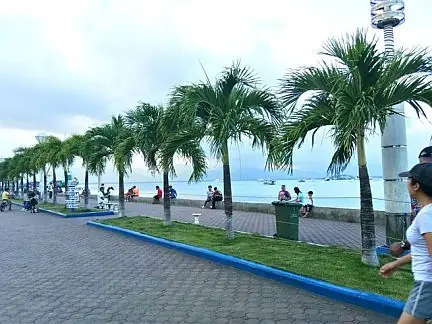
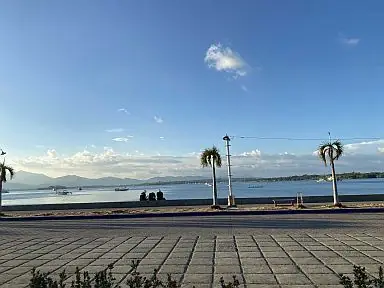
The Puerto Princesa Baywalk is a seaside promenade on Sandoval Street, and one of the best places to feel the daily life of the city.

In the evening, locals and visitors gather here for the sea breeze, the street food, and the sunset over the bay. It is a place for families after church and friends meeting to talk.

Two landmarks stand within a short walk. The Immaculate Conception Cathedral, with its pale blue facade, has watched the city grow around it. And Plaza Cuartel, now a quiet park, holds a hard memory. On 14 December 1944, Japanese troops killed about 140 American prisoners of war held here. Markers and restored walls keep that memory, a lesson in peace.

From the solemn quiet of Plaza Cuartel to the lively baywalk is only a short walk. Grilled seafood, halo-halo, bike rentals, and souvenir stalls line the way. The baywalk is the cultural heart of Puerto Princesa, and a corner of the country worth walking at least once.

Mga Larawan

← All stories
Lugar · El Nido

El Nido, Food for the Eyes

El Nido is one of the dream destinations of the Philippines, and it earns the name. Many call Palawan food for the eyes, and El Nido is the reason.

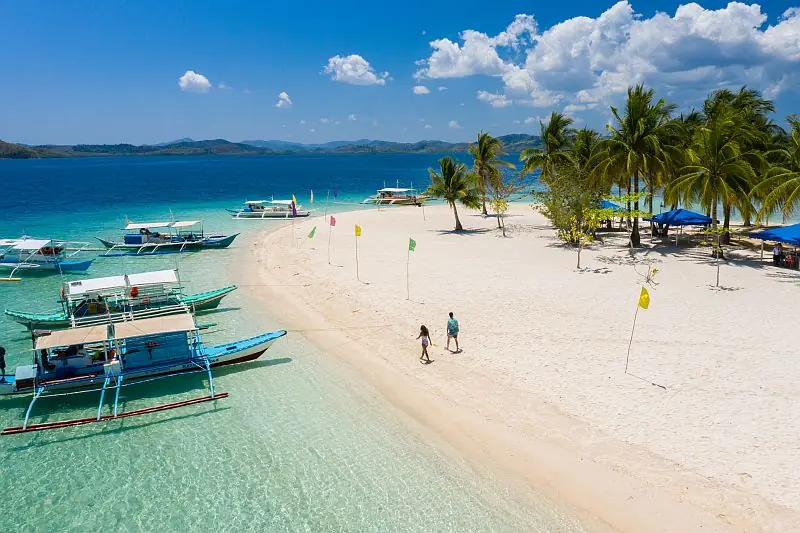
It was my first time here, and it became one of the best places I have seen in the country. El Nido sits on Bacuit Bay, an archipelago of towering limestone cliffs, hidden lagoons, and clear water.

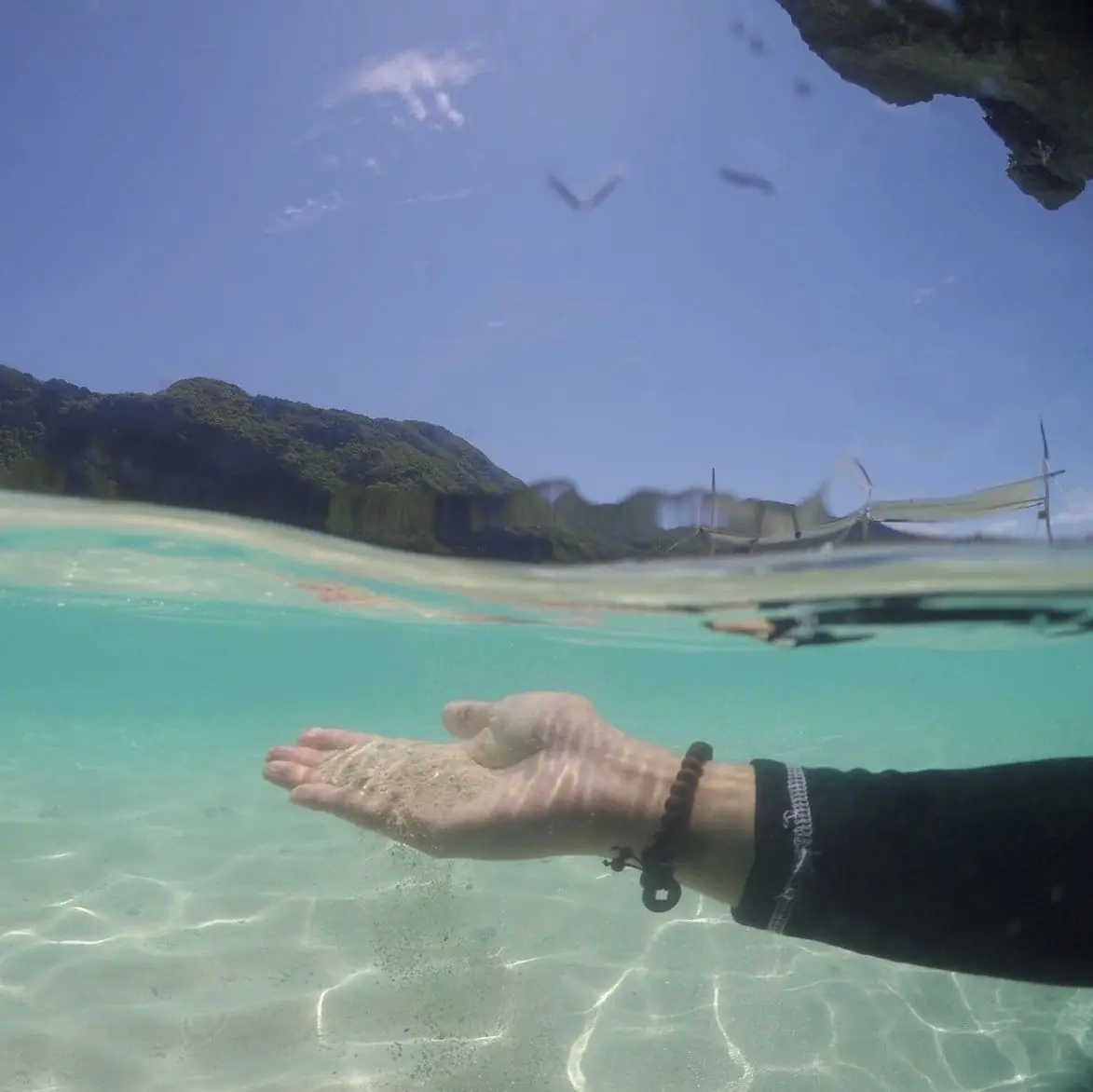
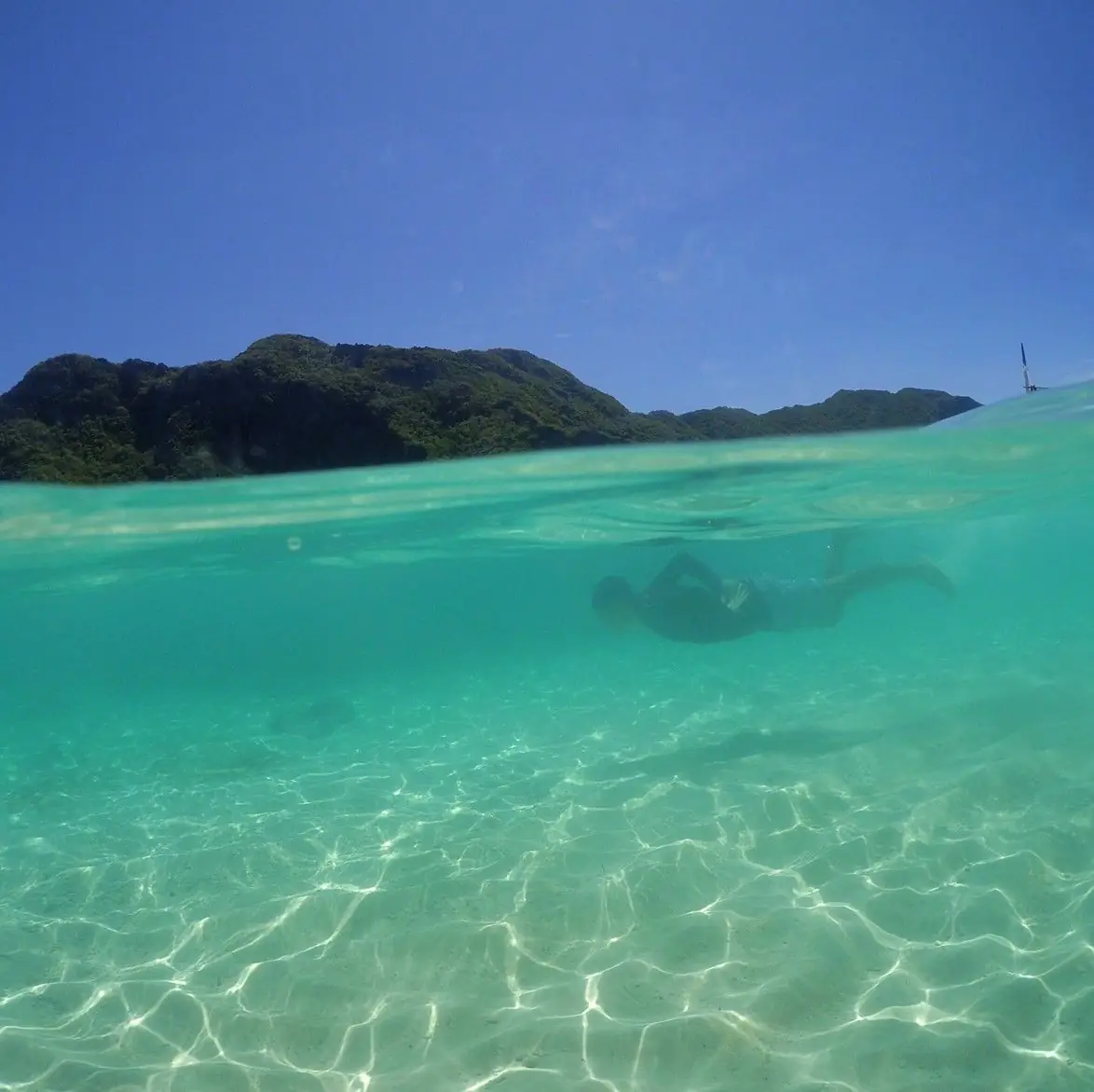
Island-hopping tours take you out by boat to the lagoons, coves, and white beaches, with snorkeling sites all around. The water is calm and clear, and the coral reefs and quiet beaches make it easy to see why El Nido is called one of the most beautiful places in the world. Exploring the lagoons by kayak is the best way to reach the islets and caves.

This is a trip I will not forget. El Nido is a paradise.

Mga Larawan

← All stories
Lugar · Coron

Coron and the Calamian Islands

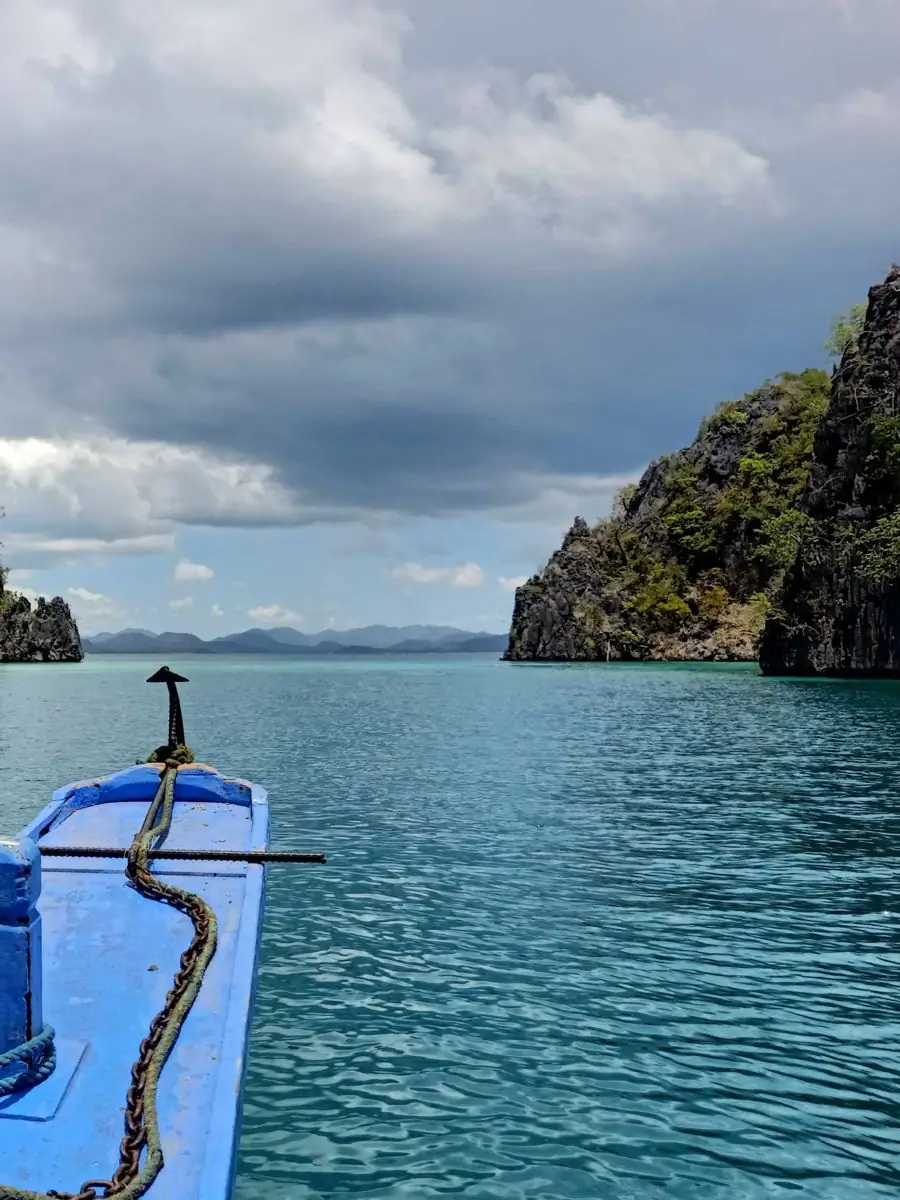
Coron sits in the Calamian Islands, at the northern end of Palawan, and it is one of the country's most beautiful escapes.

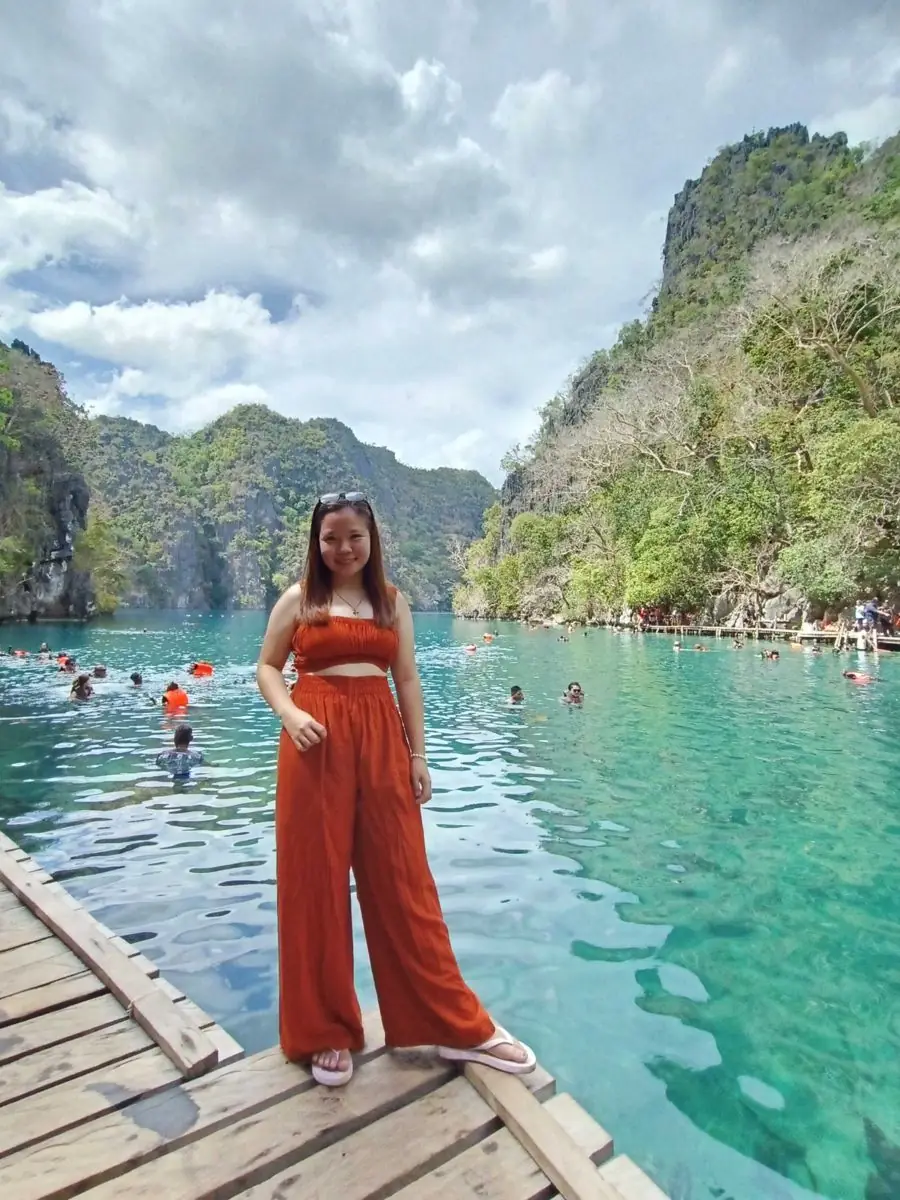
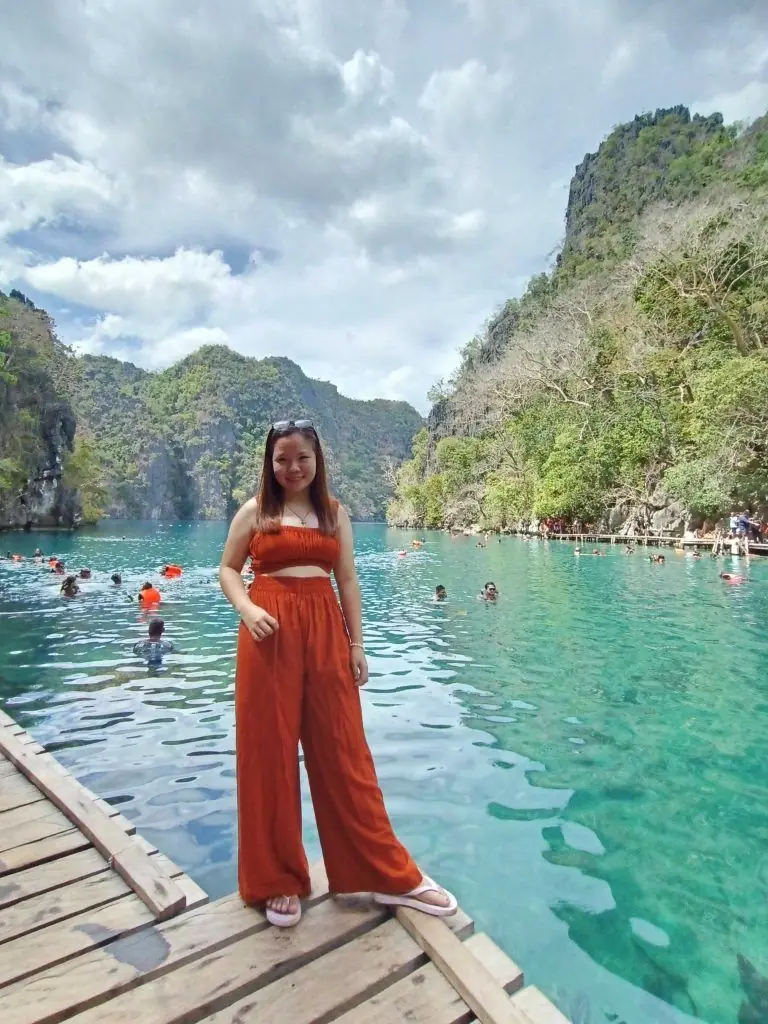
I first came to Coron in April 2022 for a network installation, and on my rest day I joined a tour of its islands and lagoons. It was my first time travelling alone, but I enjoyed every moment and made a new circle of friends.

Coron is famous for Kayangan Lake, often called the cleanest lake in the country, reached by a short climb to one of the most photographed views in the Philippines. Nearby is the Twin Lagoon, and offshore lie the wrecks of Japanese ships sunk in a United States airstrike on 24 September 1944, now among the best dive sites in Asia.

Whether with family or with friends, Coron is a place I recommend.

Mga Larawan

← All stories
Lugar · San Vicente

San Vicente Long Beach

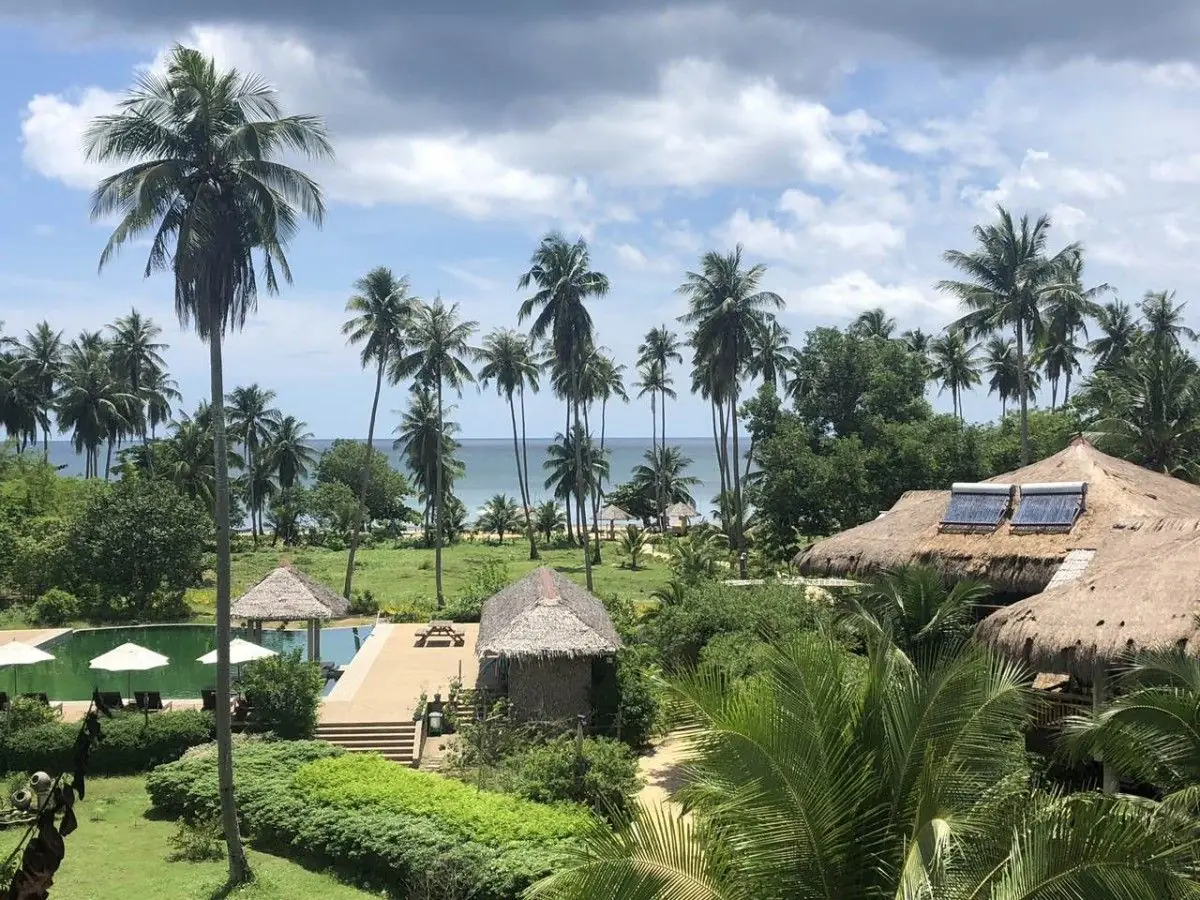
San Vicente, on the west coast of Palawan, is home to Long Beach, a stretch of white sand about 14.7 kilometers long, often called the longest white-sand beach in the Philippines.

I came here for one of our managed WiFi projects, at an eco-friendly resort along the Long Beach strip. I arrived expecting a busy place and found it quiet, with foreign guests drawn by the calm. I was busy with the installation, but the staff were kind and looked after us, even bringing snacks, and the food was one of a kind.

It is the kind of place I want to return to, not for work, but to rest with family.

Mga Larawan

← All stories
Lugar · Puerto Princesa

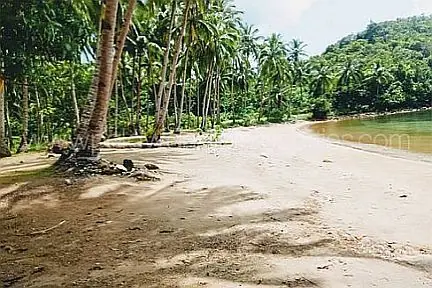
Nagtabon Beach

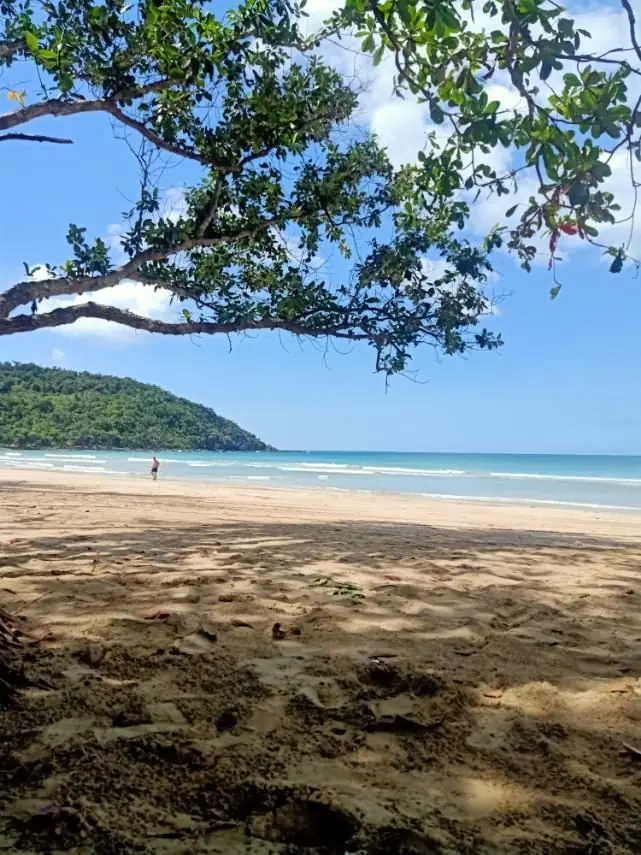
Nagtabon is a quiet beach on the west coast of Puerto Princesa, in Barangay Bacungan, less than an hour from the city.

I was in Puerto Princesa for the maintenance of Shell sites and went looking for a quick getaway. A local told me about Nagtabon, and it turned out to be exactly what I hoped for: few tourists, open sand, and calm water.

If you want a beach near the city without the crowds, Nagtabon is worth the short drive.

Mga Larawan