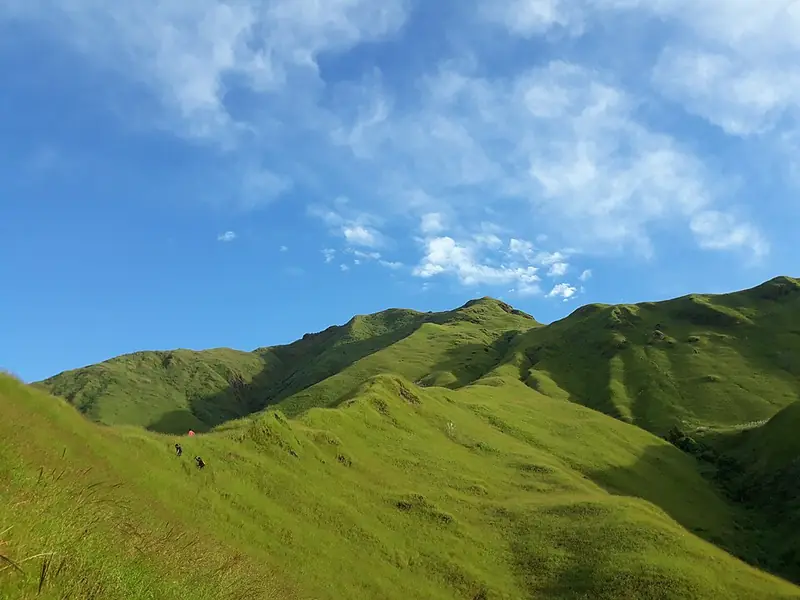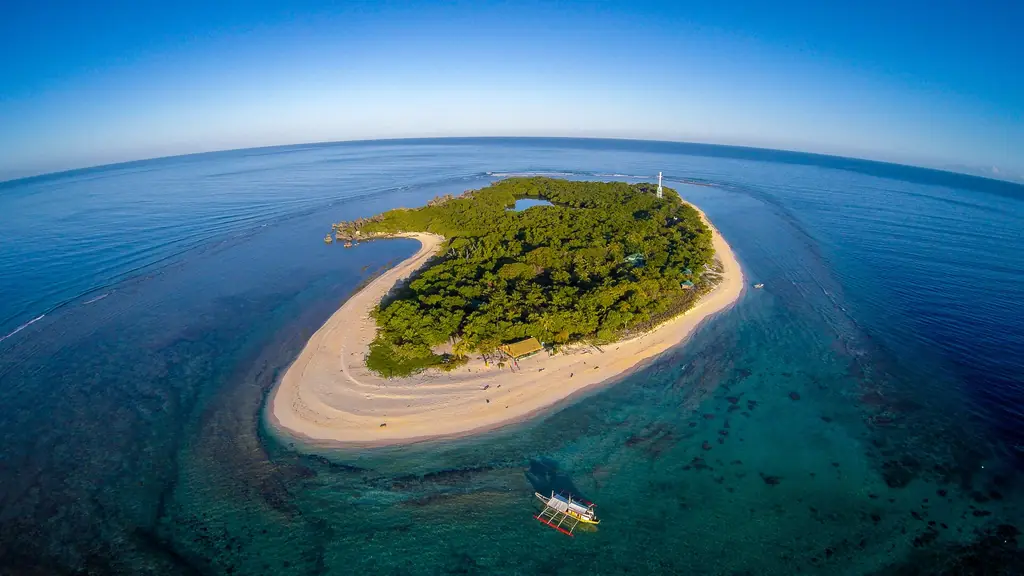
Occidental Mindoro occupies the western coast and interior of Mindoro Island, facing the Mindoro Strait and the South China Sea. It is a large, sparsely populated province with a coastal plain edged by mountain ranges and covered in secondary forest, cattle ranches, and rice paddies. The Mangyans—eight distinct indigenous groups who have lived on Mindoro for thousands of years—remain a central presence in the island's interior.
Western Mindoro
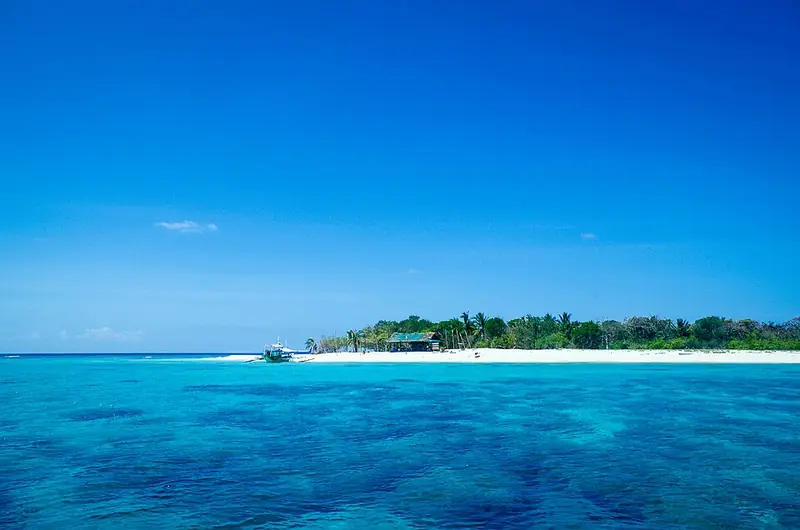
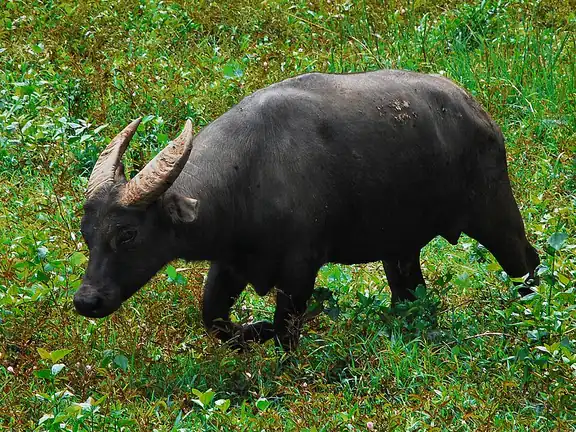
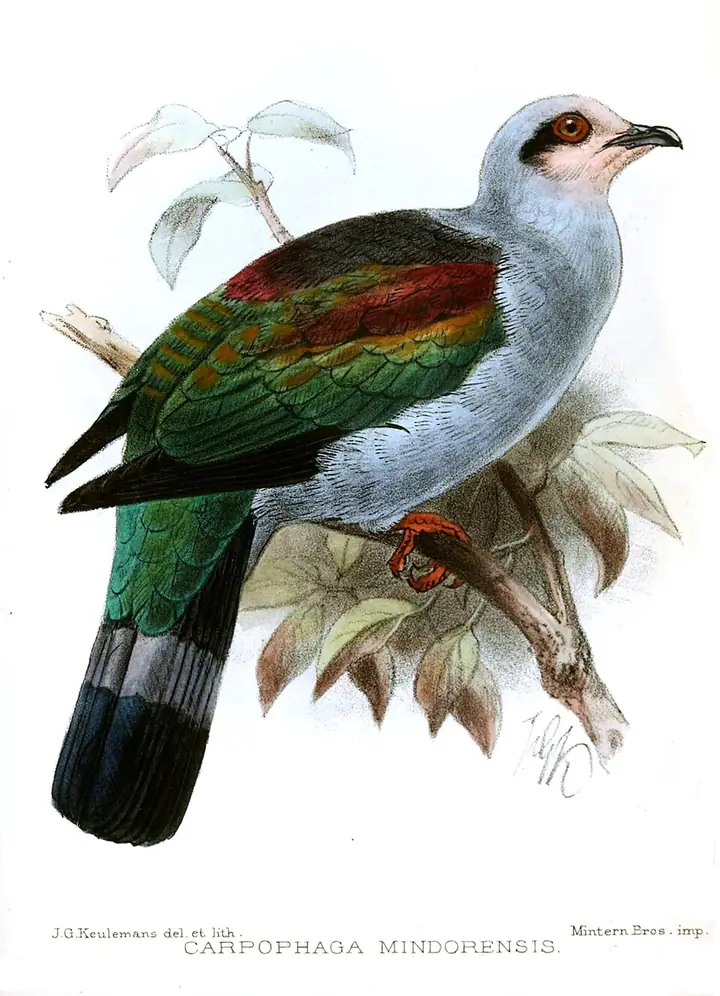
Mamburao sits on the Mindoro Strait coast, accessible by ferry from Batangas. The province's western coast has several beaches, but it is the coral reefs offshore that draw divers. Apo Reef Natural Park, considered the largest coral reef system in the Philippines, lies in the Mindoro Strait west of the Sablayan coast. The interior mountains, reaching above 2,000 meters, are habitat for endangered species including the Mindoro dwarf buffalo (tamaraw) and the Mindoro bleeding-heart pigeon.
The tamaraw (Bubalus mindorensis) is a small buffalo found only on Mindoro. It was once numerous across the island but hunting and habitat loss cut the population from about 10,000 in the early 1900s to about 470–520 today: the April 2019 count at Mounts Iglit-Baco found 466 to 494 animals, after 523 in 2018. It is one of the Philippines' most endangered endemic mammals.
The 2024 census counted 511,417 people in Occidental Mindoro's 11 municipalities. Mamburao is the capital, but San Jose is the most populous town, and Sablayan is the largest by area, covering almost half of the province. Tagalog here is usually spoken with a Batangas accent, shaped by trade and migration across the strait, and the Mangyan languages are spoken in the interior.