Aklan is a province on the northwestern tip of Panay Island in Western Visayas. It is known for two things above all: the Ati-Atihan Festival in Kalibo, which draws thousands each January, and the road that leads through it to Caticlan, the jump-off point for Boracay. Neither fact fully captures what Aklan is when you look beyond them.
KaliboCapital
1,821 km²Area
17Municipalities
VisayasIsland Group
Kalibo is a compact capital with a functioning downtown, a lively public market, and the airport that serves both the city and the Boracay-bound traffic that passes through. Outside Kalibo, the province spreads into rice-farming lowlands and forested hills.
★
Mother of All Philippine Festivals
Ati-Atihan is often called one of the oldest festivals in the Philippines, with roots said to predate the Spanish period. The festival celebrates the arrival of Malay settlers on Panay and their peaceful relations with the indigenous Ati people. Today it is held in Kalibo in honor of the Santo Niño, culminating on the third Sunday of January, and it inspired both the Sinulog of Cebu and the Dinagyang of Iloilo.
Aklanon is the native language of the province — a distinct Visayan language not to be confused with Hiligaynon or Kinaray-a. Its speakers are proud of it: Aklanon has a literature, a dictionary, and an identity that its speakers defend carefully against the encroachment of Tagalog and English.
The 2024 census counted 634,422 people in Aklan, which has 17 municipalities. Most people speak Akeanon (Aklanon). The Malaynon dialect is spoken in Malay and the Buruanganon language in Buruanga, and the Ati speak their own language.
The history of Aklan begins with the Ati, the original inhabitants of Panay. Around the 13th century, Malay settlers arrived from Borneo, negotiated with the Ati chieftain Marikudo and his wife Maniwantiwan, and established communities on the lowlands. The transaction — legend has it the settlers paid a golden salakot and a necklace — is commemorated every year at Ati-Atihan.
c. 1212
Ten Datus Arrive from Borneo
According to tradition preserved in the oral account called Maragtas, ten Malay datus fled Borneo and landed on Panay, purchasing the lowlands from the Ati chieftain Marikudo. The historical accuracy of the account is debated, but its cultural significance is not.
1565
Legazpi Lands at Batan
The Spanish explorer Miguel López de Legazpi landed at Batan in 1565 and claimed the island for Spain. Early Spanish accounts called the area El Río de Aclán, and Aklan was later governed as part of Capiz.
1945
Liberation
Filipino and American forces, together with Aklanon guerrillas, liberated Aklan in 1945, near the end of World War II.
1956
Aklan Becomes a Province
Republic Act No. 1414, signed by President Ramon Magsaysay on 25 April 1956, separated Aklan from Capiz. The new province, made up of 17 towns with Kalibo as its capital, was inaugurated on 8 November 1956.
1978
Boracay Declared a Tourist Zone
A 1978 proclamation declared Boracay and other islands tourist zones and marine reserves under the Philippine Tourism Authority. It began the island's rapid development, and it made no mention of the Ati, the island's original residents.
2018
Boracay Closed for Rehabilitation
In April 2018 the national government closed Boracay to tourists for six months to rebuild its overloaded sewage system and carry out other works. The island reopened in October 2018 with new rules to control tourist numbers.
Today the province lives on tourism, with frequent flights into its airports at Kalibo and Caticlan, and on farming: rice, coconuts, bananas and other fruit, and fiber crops such as piña and abaca.
Ati-Atihan dominates the cultural conversation about Aklan, and fairly so — it is one of the most spectacular festivals in the country. For three days in January, Kalibo's streets fill with dancers painted in black soot, wearing elaborate headdresses, moving to the relentless rhythm of drums. The phrase 'Hala bira! Pwera pasma!' is the festival's battle cry.
The Ati People
The Ati are the Negrito people of Panay — small-statured, dark-skinned, and among the earliest inhabitants of the Philippine archipelago. In Aklan, Ati communities persist in the hills and in resettlement areas near the coast. They have experienced significant land displacement and marginalization.
★
Piña Cloth
Aklan is one of the main centers for piña weaving — cloth made from pineapple leaf fiber. Piña fabric is sheer, lightweight, and lustrous, and it is used in the finest Filipino formal wear, including the barong Tagalog worn at state occasions. Kalibo is its main center, and the piña is sometimes called the "Queen of Philippine Fabrics".
Aklanon Identity
Aklanons are distinct from their Hiligaynon-speaking neighbors in Iloilo and Capiz. The language difference is real and felt. Aklanon scholars have produced grammars and literary collections in the language, and local schools have worked to preserve it alongside the national curriculum.
Aklan's food is rooted in lowland Visayan cooking — coconut milk, fresh fish, native vegetables, and pork. The province grows sugarcane and rice, and both appear in the local food culture. Visitors passing through to Boracay often miss the local cuisine entirely, which is a loss.
Inasal na Manok
Chicken marinated in vinegar, calamansi, and annatto, then grilled over charcoal. Aklan's version of inasal is closely related to the Bacolod style but made with native chicken. Served with rice and the drippings as a dipping sauce.
Tinuwa
A clear, sour fish soup made with native souring agents — santol or tamarind — and ginger. Light and clean, it is the everyday soup of Aklan households.
Binakol na Manok
Aklan / Western Visayas
20 minutesPrep
45 minutesCook
4-6Serves
Ingredients
1 whole, cut into serving piecesnative chicken
2 cupsyoung coconut water
1 cup, shreddedyoung coconut meat
2-inch knob, slicedginger
2 stalks, bruisedtanglad (lemongrass)
1 medium, quarteredonion
to tastefish sauce
1 cupmalunggay leaves
Method
Combine chicken pieces, ginger, onion, and lemongrass in a pot. Pour in coconut water and add enough water to cover the chicken.
Bring to a boil, then reduce heat. Simmer for 35–40 minutes until chicken is tender.
Add shredded coconut meat and cook for 5 minutes more.
Season with fish sauce. Add malunggay leaves just before serving.
Serve hot with steamed rice.
Cook's note
Use young coconut water, not canned coconut milk. The flavor is lighter and sweeter, which is the point of the dish.
Aklanon is the primary language of the province, spoken by the majority of the population. It belongs to the Central Philippine branch of the Austronesian family and is most closely related to Kinaray-a and the other Visayan languages of Panay.
Akeanon (Aklanon)Main
Malaynon dialectMalay
BuruanganonBuruanga
InatiAti
★
More Than One Language
Aklan has more than one local language. Akeanon is spoken by most people; its dialect Malaynon is spoken in Malay, and Buruanganon, a separate language, in Buruanga. The Ati, after whom the Ati-Atihan is named, speak their own language, Inati.
Hiligaynon — the language of Iloilo and Bacolod — is widely understood in Aklan and used in commerce, especially with traders from Iloilo. Tagalog and English are standard in education and government. In the tourist corridors near Caticlan and Boracay, English is the practical working language.
Aklan is also a top producer of abaca fiber, which is dyed and made into cloth, place mats, bags, wall decor and fans.
Most travelers to Aklan are heading somewhere else — Boracay, specifically. The province itself offers the Ati-Atihan festival in January, the piña weavers of Kalibo, and a coastline that gets overlooked because it is not Boracay. That oversight can be corrected.
Kalibo International (KLO)Airport
2 hrs by bus + 15 min ferry from CaticlanTo Boracay
November to MayBest Season
Ati-Atihan — 3rd week of JanuaryFestival
Kalibo Town Proper
During Ati-Atihan, Kalibo's streets are transformed. Outside festival season, it is a compact provincial capital worth a few hours for the public market, the old church, and the Aklan Museum.
Balete
A quiet inland town south of Kalibo, created as one of Aklan's original 17 municipalities in 1956. It is a short side trip from the capital for visitors who want to see the farming interior.
Jawili Falls
Seven successive pools carved into limestone, fed by a mountain river in Tangalan municipality. The falls are accessible by tricycle from the national highway and are largely undeveloped — bring your own supplies.
✦
Ati-Atihan Logistics
Book accommodation in Kalibo months ahead for January. The festival draws visitors from across the Philippines and abroad. Budget travelers stay in Kalibo; those heading to Boracay often continue the same day by bus to Caticlan.
Aklan's largest forest is the Northwest Panay Peninsula Natural Park, about 120 square kilometers in Nabas, Malay and Buruanga and the Antique towns of Libertad and Pandan. It was proclaimed in 2002. Its rivers and springs supply water to more than 100,000 people, including Boracay and its visitors, and its highest peak, Mount Tinayunga, rises to about 915 meters. Panay keeps only about 6 percent of its forest cover, so these hills are a refuge for birds found nowhere else.
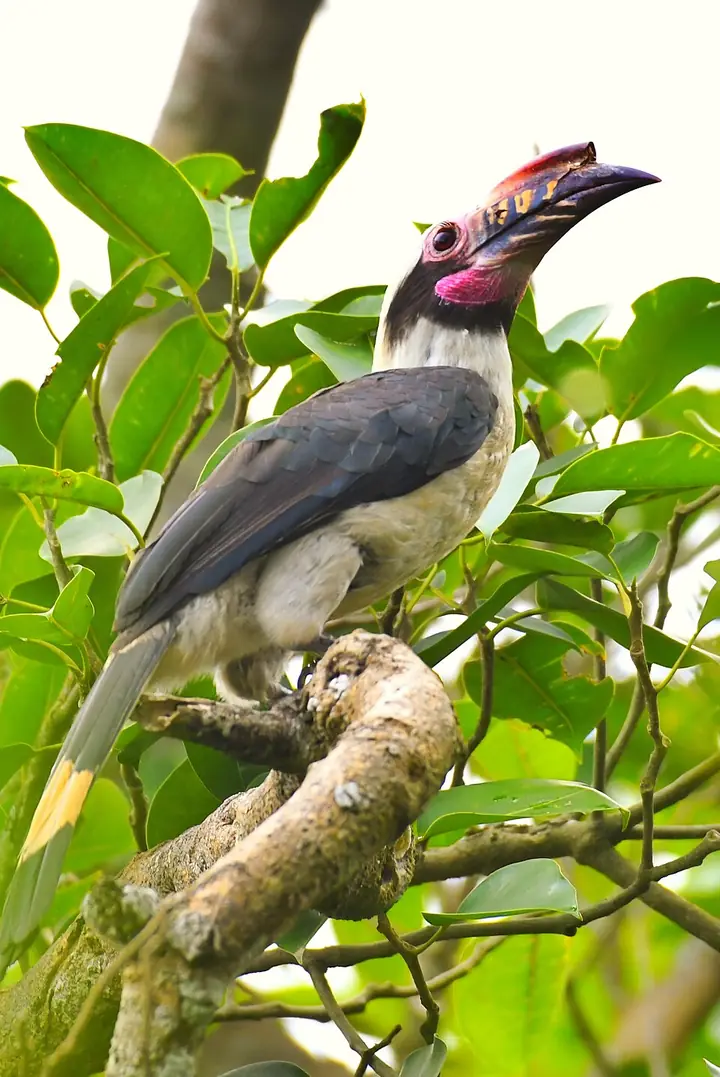
A small hornbill of the lowland forests of Panay, Negros and nearby islands; its scientific name comes from Panay. Like the other tarictic hornbills it is declining as forest is cleared.
Field note: Hornbills nest in big old trees. Never buy wild hornbills.
Rufous-headed Hornbill
Rhabdotorrhinus waldeni
Endangered
A large hornbill of lowland and foothill forest on Panay and Negros, where it is almost extinct. On Panay it lives between about 400 and 1,200 meters. The IUCN moved it from Critically Endangered to Endangered in 2025 and estimates 1,000 to 3,000 mature birds, still declining.
Field note: Report sightings to the DENR. Hunting and logging are its main threats.
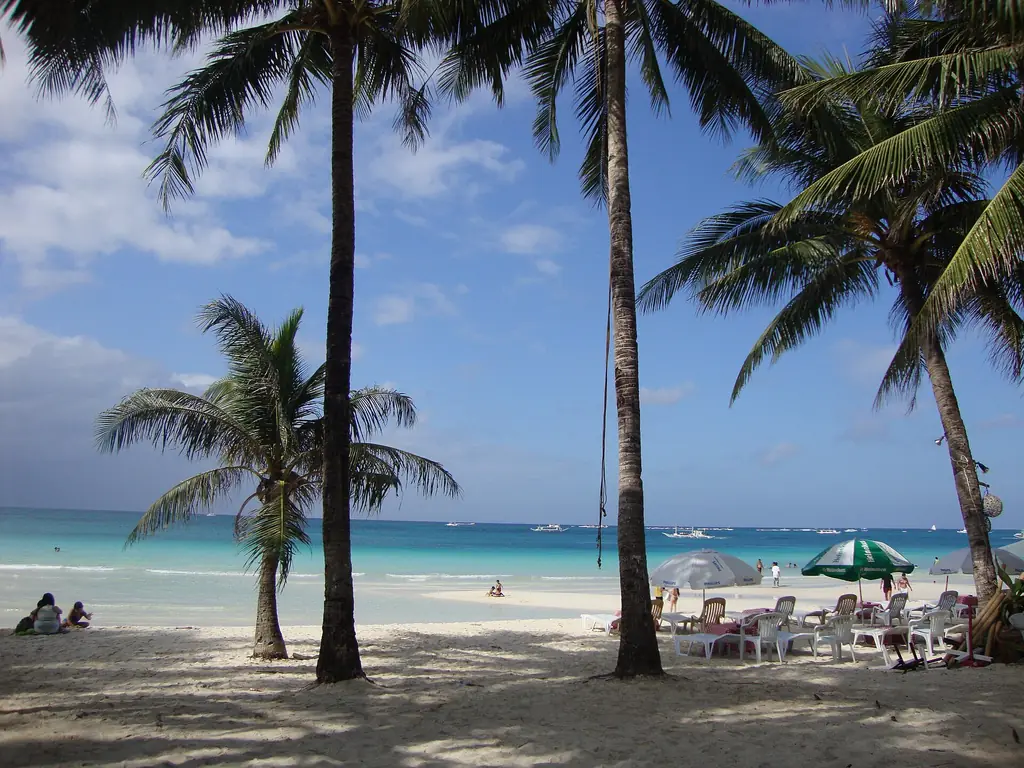
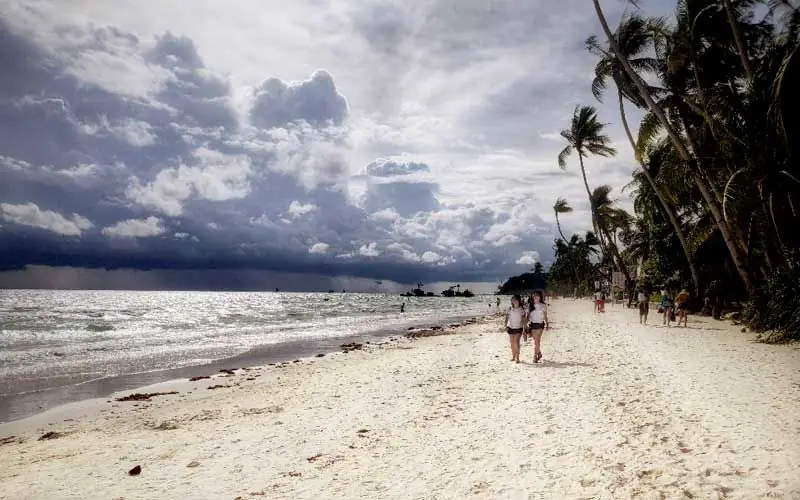
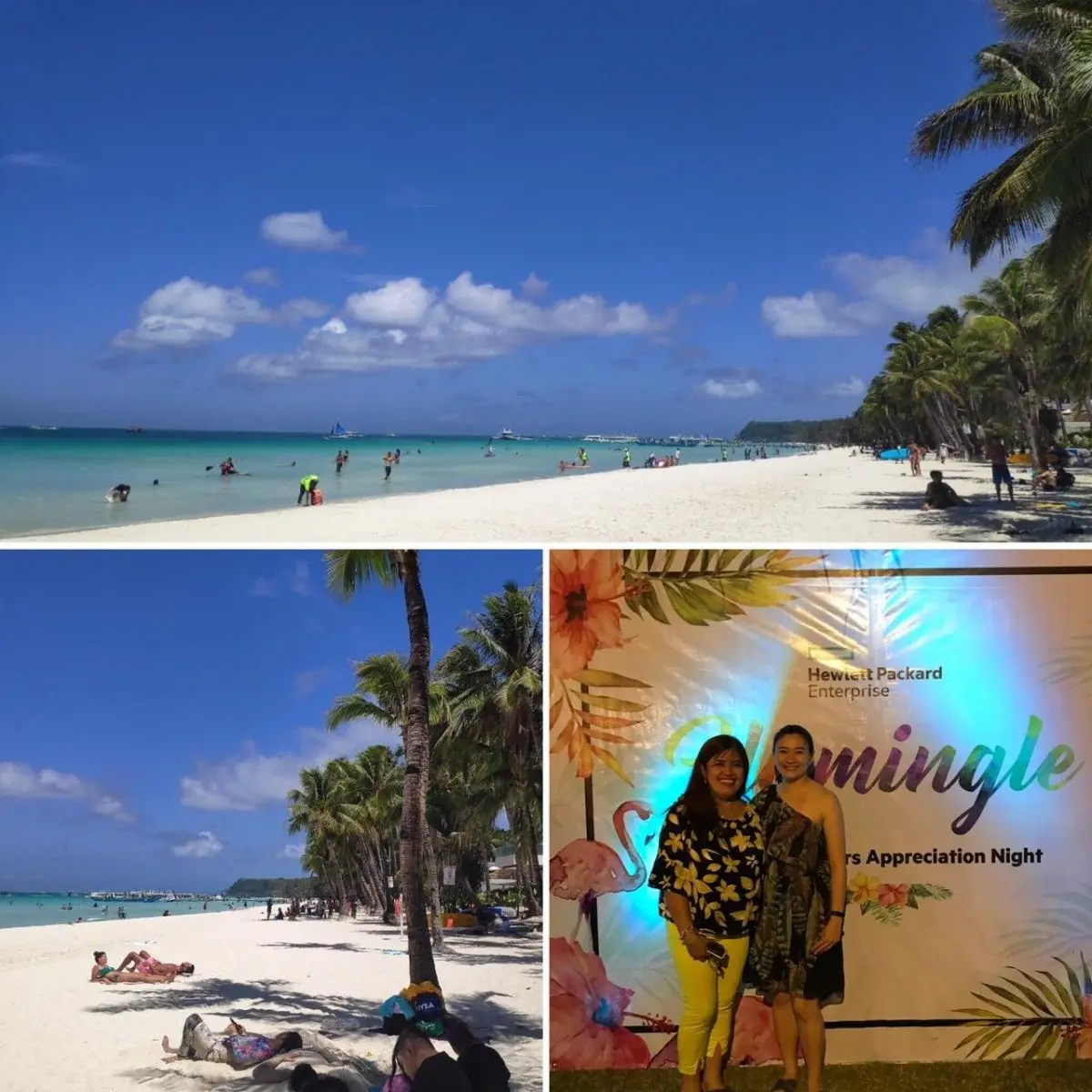
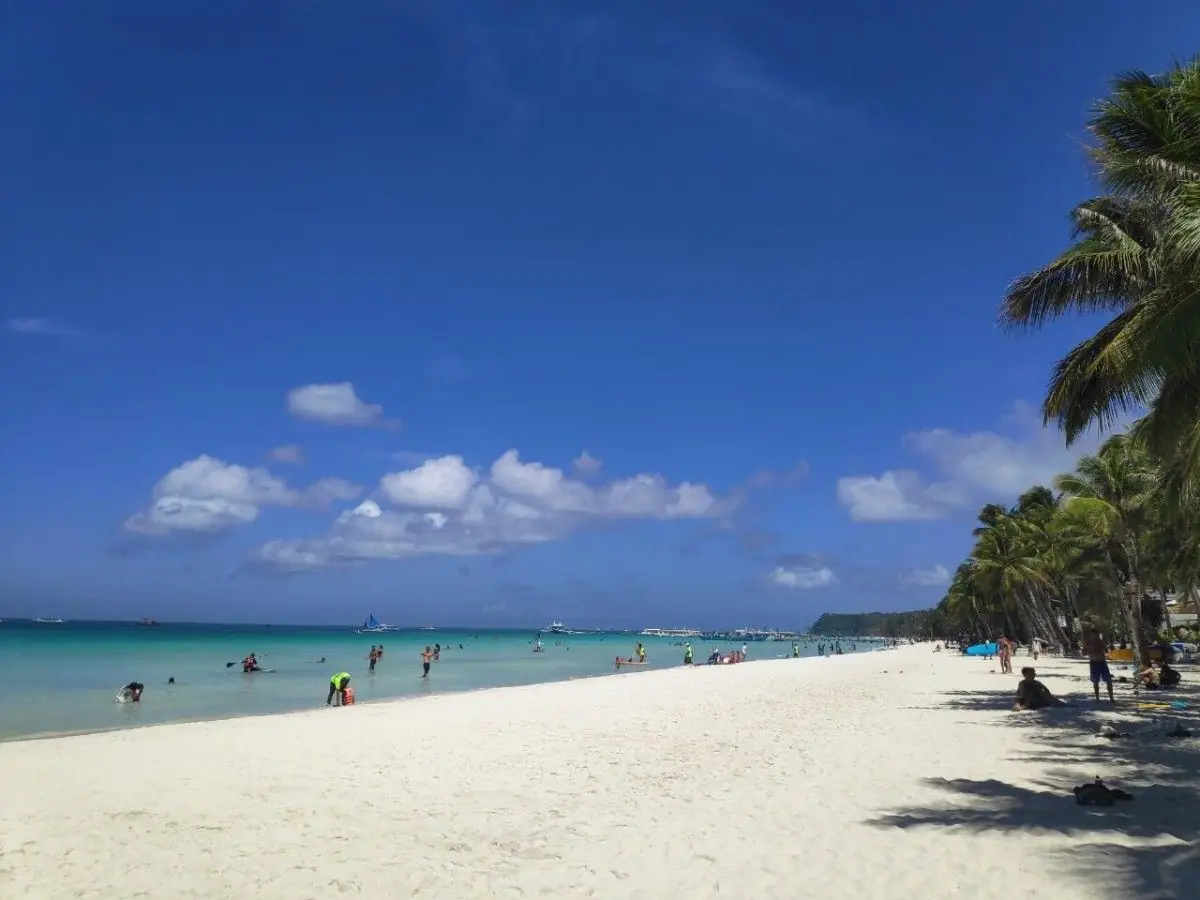
Boracay, in the town of Malay, Aklan, is one of the finest islands in the country and one of the most famous in the world. White sand, clear water, a cool breeze; whatever you came for, you will find it here.
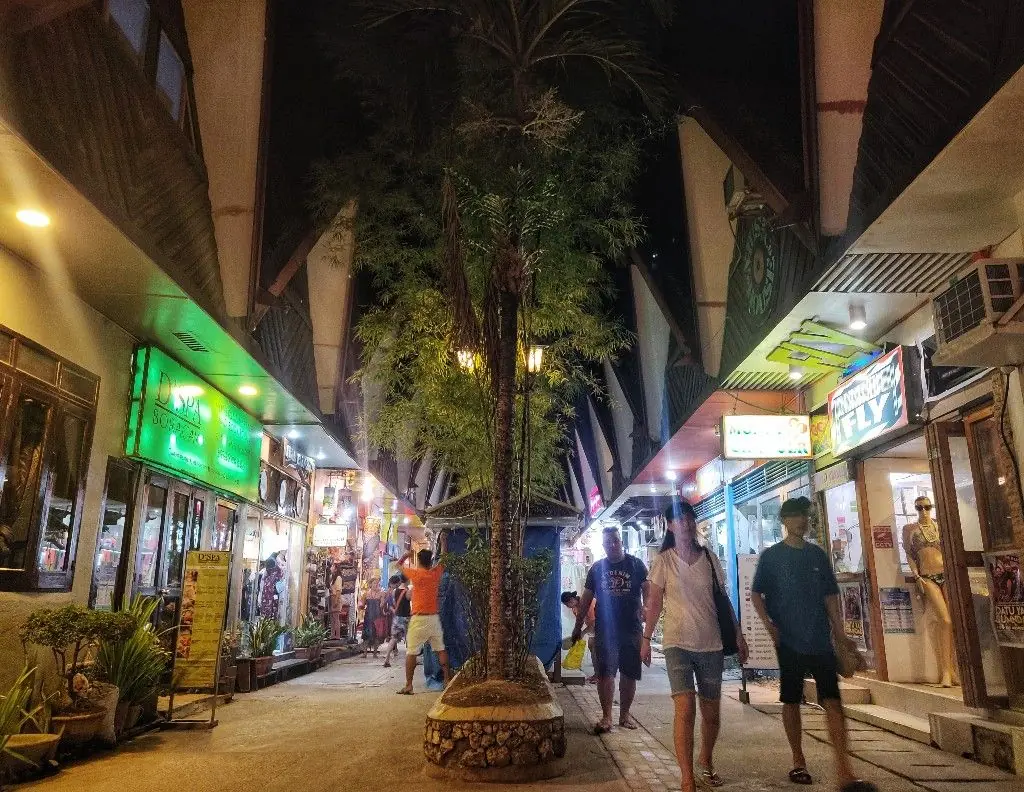
After its six-month rehabilitation, the island came back at its best, cleaner and better kept. There is island-hopping, paraw sailing, and stand-up paddling, and along the shore, restaurants, shops, and easy days on the sand.
I have watched many sunsets, but Boracay's is something else. As the sky changes over the water, it is easy to see why people call this beach a masterpiece. I hope to come back and give it the time it deserves.
History (Legazpi at Batan 1565, El Río de Aclán, 1945 liberation, RA 1414 of 25 April 1956, inauguration 8 November 1956, 1978 tourist-zone proclamation), 17 municipalities, languages (Akeanon, Malaynon, Buruanganon, Ati), airports, crops and abaca, piña as prime produce of Kalibo — Wikipedia: Aklan (rev. 1377665500)
Ati-Atihan: feast of the Santo Niño, third Sunday of January, inspired Sinulog and Dinagyang; "Mother of All Philippine Festivals" — Wikipedia: Ati-Atihan (rev. 1372008526)