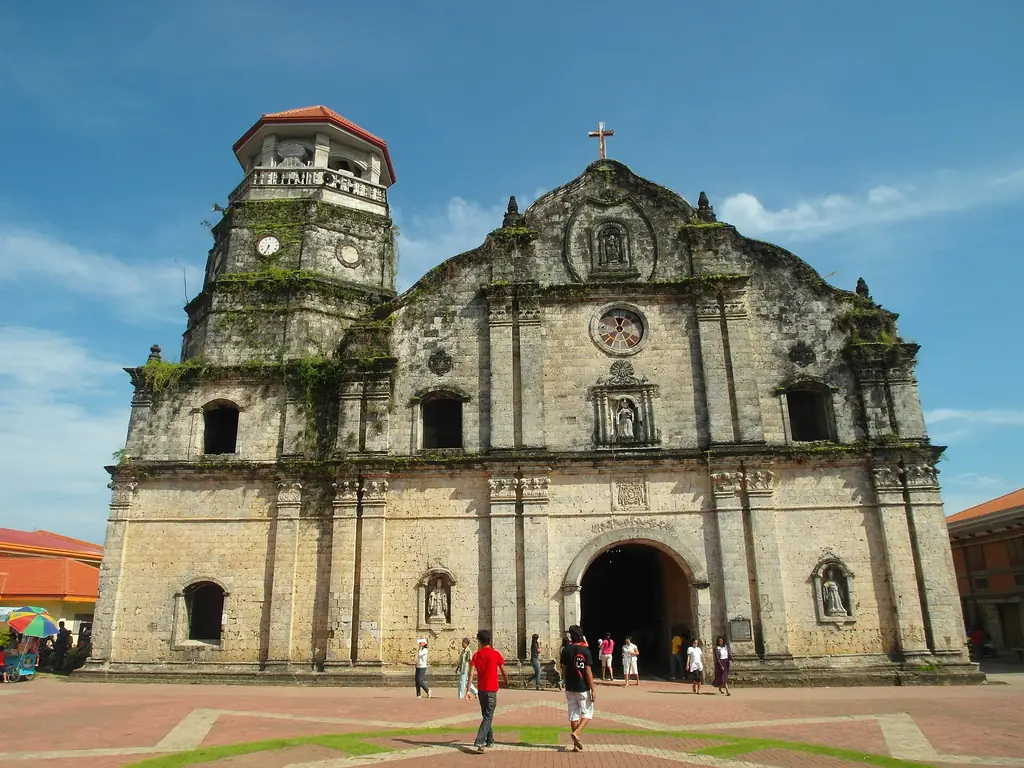
Coral-stone facade and bell tower of the Santa Monica (Pan-ay) Church in Panay, Capiz
Photo: Joelaldor · CC BY-SA 4.0 · Wikimedia Commons
Map

Capiz

Western Visayas
Visayas
Capital Roxas City
Population (2024) 835,098
Area 2,595 km²
Municipalities 16
Cities 1
Island Group Visayas
Languages Capiznon, Hiligaynon

Population: 2024 census (PSA). Area: land area.

Kapitbahay — Neighboring Provinces

Capiz is a province on the northeastern part of Panay Island in Western Visayas. It faces the Sibuyan Sea, and this orientation has shaped everything — its economy is built on seafood, its culture is inflected by the sea, and the province and its capital, Roxas City, are known as the Seafood Capital of the Philippines. The province is also known internationally for its capiz shells — the flat, translucent bivalve shells used for lampshades, windows, and decorative panels that became a Filipino design signature exported worldwide.

Roxas CityCapital
2,595 km²Area
16 + 1 cityMunicipalities
VisayasIsland Group
Western Visayas (VI)Region

The Seafood Capital

Capiz holds some of the richest fishing grounds in the country. Besides prawns and milkfish, its waters and ponds yield blue marlin, squid, oysters, shrimp, seaweed and angel wings, and seafood restaurants line the Baybay beachfront of Roxas City.

★
Did You Know?

Capiz is the birthplace of Manuel Roxas, the first president of the independent Third Philippine Republic. Roxas City is named after him.

The 2024 census counted 835,098 people in Capiz, which has one city, Roxas, and 16 municipalities. Its highest peak, Mount Nangtud, rises to about 2,074 meters. The province has an 80-kilometer coastline, and its wide swampy lowlands have been turned into fishponds that make it a major supplier of prawns and milkfish.
According to the Maragtas, an epic first written down in the 20th century, Panay was settled by datus who fled Borneo. Early Spanish accounts of Capiz date from 1566, when the Spanish reached the mouth of the Banica River, and the town of Panay was one of the first Spanish settlements on the island.

1569

Legazpi Comes to Panay

In 1569 Captain Diego de Artieda, sent by Miguel López de Legazpi, landed at the town of Panay, originally called Bamban, and proclaimed it the capital of the province.

1716

A Separate Province

In 1716 Capiz, which then included Aklan, became a separate encomienda and later a politico-military province.

1898

Spanish Surrender at Baybay

During the Philippine Revolution, the Spanish governor Juan Herrero surrendered to General Ananías Diokno at Baybay on 31 August 1898. The Americans set up a civil government in Capiz on 15 April 1901.

1944

Guerrillas Free the Capital

Japanese forces landed at Capiz on 16 April 1942. On 20 December 1944, Capiznon guerrillas, who already held most of the province, liberated the capital.

1946

Manuel Roxas, President

Manuel Roxas of Capiz, born in the town of Capiz in 1892, became the last president of the Commonwealth and on 4 July 1946 the first president of the independent Republic.

1951

Roxas City

The town of Capiz became a chartered city on 12 May 1951 and was renamed Roxas City in his honor. Aklan was separated from Capiz in 1956.

In the 20th century, much of the coast's swampy land was converted into fishponds for prawns and milkfish, while small-scale fishing continued at sea.

Capiz shares in the wider Visayan culture of Panay and Western Visayas. Its festivals, music, and social customs align with those of neighboring Iloilo and Antique. The province also has its own distinct identity formed around the seafood economy and the capiz shell craft tradition.

Capiz Shells and Craft

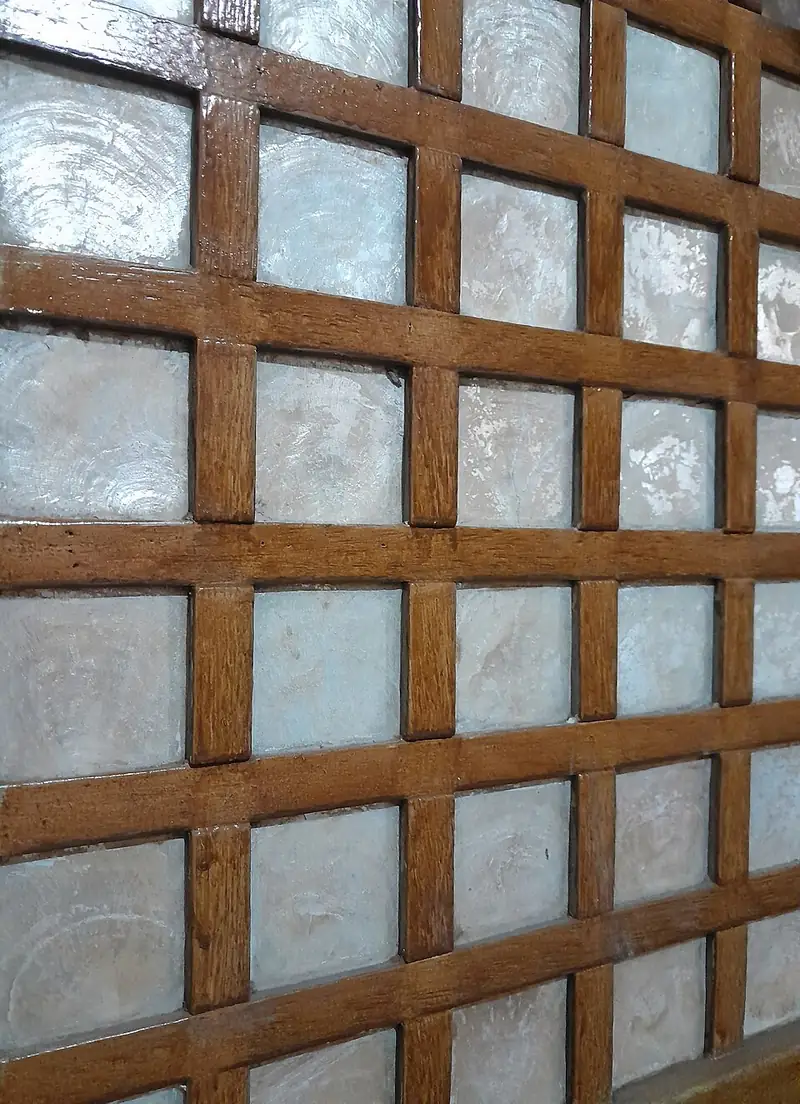
The capiz shell (Placuna placenta) — called 'windowpane shell' in English — is a flat, nearly transparent bivalve of muddy and sandy bays, abundant in Capiz and named after the province. For centuries, Filipino craftspeople have used the shells in place of glass for windows, lanterns, and decorative panels. The colonial-era bahay na bato (stone houses) of wealthy families in Capiz and elsewhere in the Visayas had capiz shell windows that filtered light with a warm, amber quality. The shell became a signature Filipino export and decorative material in the 20th century.

★
Aswang Capital?

Capiz has a reputation in Philippine folklore as the home province of the aswang — a shapeshifting ghoul that features in Visayan supernatural beliefs. This reputation is of uncertain origin but has been thoroughly attached to the province. Locals generally regard it with amusement rather than concern.

MR

Manuel Roxas

First President, Third Philippine Republic1892–1948

Born in the town of Capiz on 1 January 1892, Roxas was governor of Capiz from 1919 to 1922 and represented its first district from 1922 to 1938. He was elected president in 1946 and oversaw independence on 4 July 1946. He died of a heart attack at Clark Air Base on 15 April 1948, two years into his term.

See the great festivals in Pista ng Pilipinas →

The food of Capiz is inseparable from its seafood. The Baybay seafood restaurants along Roxas City's esplanade serve grilled fish, oysters, scallops, and mud crabs at prices significantly lower than Manila. Oysters (talaba) and mussels (tahong) are so plentiful in Sapian that the town holds a Talahong Festival.

Roasted Talaba (Oysters)

Fresh oysters roasted directly on charcoal, opened at the table, and eaten with a dipping sauce of soy sauce, calamansi, and chopped ginger. Eating them at a waterfront restaurant in Roxas City is a classic Capiz meal.

La Paz Batchoy (Capiz variation)

La Paz Batchoy, the noodle soup from Iloilo, is eaten throughout Western Visayas, including Capiz, where it is a common breakfast and merienda.

Steamed Mud Crab with Ginger and Scallion

Capiz / Western Visayas
15 minutesPrep
20 minutesCook
2Serves
Ingredients
  • 1 large (about 800g)Live mud crab (alimango)
  • 1 large thumb, slicedGinger
  • 4 stalksSpring onion
  • 4 cloves, crushedGarlic
  • 3 tablespoonsSoy sauce
  • 2 tablespoonsCalamansi juice
  • 2 cupsWater
  • 1 teaspoonSalt
Method
  1. Prepare the dipping sauce: combine soy sauce and calamansi juice. Set aside.
  2. Combine water, salt, half the ginger, and spring onion roots in a steamer pot. Bring to a boil.
  3. Place crab in steamer basket. Cover and steam 15–20 minutes until shell is bright orange and meat is cooked through.
  4. Serve immediately with dipping sauce and remaining fresh spring onion and ginger on the side.
Cook's note

Live crabs must be handled carefully — tie the claws if the crab is active. The simplest preparation reveals the quality of the crab itself. Do not overcook — the meat toughens quickly past the 20-minute mark.

✦
Baybay Restaurants

The seafood restaurants along Roxas City's Baybay beachfront serve the local catch at modest prices. Go in the evening when the catch is freshest and the sea breeze makes outdoor eating pleasant. Point to what you want from the display rather than ordering from a menu.

The two main local languages are Capiznon and Hiligaynon. Capiznon, the language of most of the province, is closely related to Hiligaynon (Ilonggo) and often confused with it, but has its own vocabulary and accent. Aklanon is spoken in towns near Aklan such as Sapian, Jamindan and Mambusao, and Kinaray-a in southern and western towns such as Tapaz, Dumalag and Dumarao.

CapiznonMain language
Kinaray-a, AklanonSouth and west
HiligaynonLingua franca
Filipino, EnglishOfficial

Kinaray-a is a separate Visayan language of western Panay, centered in Antique.

Roxas Airport is about 45 minutes by plane from Manila. The drive from Iloilo City to Roxas takes about 2.5 hours along the coast road. The province is typically visited as part of a Western Visayas circuit combining Iloilo and Capiz. Roxas City itself is the main destination, with most attractions within an hour's drive.

~1 hour (Roxas Airport)From Manila by air
~2.5 hours by bus/carFrom Iloilo City
November–MayBest months
Seafood, Capiz shell craftsKnown for

Baybay Seafood Restaurants, Roxas City

The esplanade along Roxas Bay is lined with open-air seafood restaurants where the day's catch is displayed in tanks and on ice. Oysters, crabs, scallops, squid, and fresh fish are cooked to order. Stone forts (baluarte) were built here in 1814 against raiders.

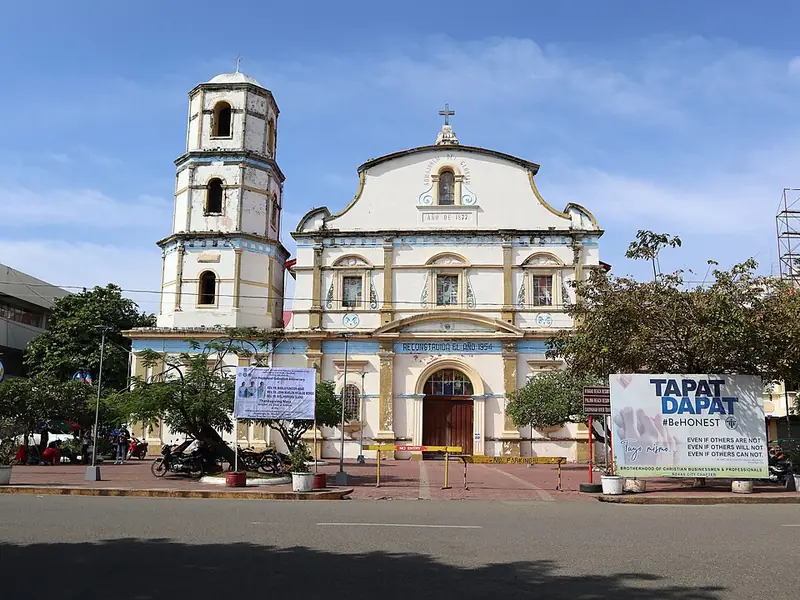
White facade and bell tower of the Immaculate Conception Metropolitan Cathedral, Roxas City
Photo: Patrickroque01 · CC BY-SA 4.0 · Wikimedia Commons

Capiz Cathedral

The Metropolitan Cathedral of the Immaculate Conception in Roxas City, begun in 1870 and built partly by forced labor under the polo y servicios system. The Immaculate Conception is the city's patroness, honored in the Sinadya sa Halaran festival.

Olotayan Island

A small island off the coast of Roxas City, reachable by outrigger boat in about 30 minutes. The island has white-sand beaches and clear water. It is largely undeveloped and visited primarily by day-trippers from Roxas City. The surrounding waters have good snorkeling.

Close-up of a window with translucent capiz-shell panes in a wooden grid
Photo: Bagoto · CC BY-SA 4.0 · Wikimedia Commons

Capiz Shell Workshops

Several workshops in Roxas City produce the capiz shell products — lampshades, wind chimes, picture frames, jewelry boxes — that are exported worldwide. Some workshops accept visitors and allow observation of the process. The finished products are sold from small shops throughout the city.

Capiz runs from the coast of the Sibuyan Sea up to the mountains of central Panay, where Mount Nangtud rises to about 2,074 meters. On the coast, wide swampy lowlands have been turned into fishponds, and the bays hold the windowpane oyster that gave the capiz shell its name. Shell beds have declined because of trawling, dredging and blast fishing.

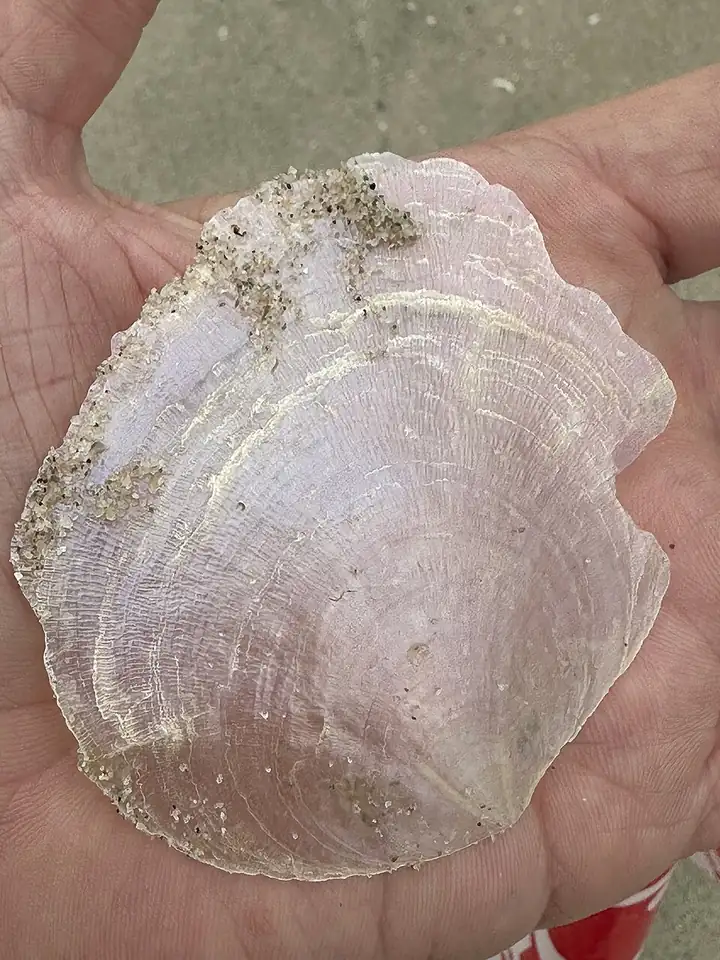
A translucent windowpane oyster (capiz) shell held in a hand (photographed outside the Philippines)
Photo: Al Kordesch · CC0 · Wikimedia Commons
Windowpane Oyster (Capiz)
Placuna placenta
Not assessed (regulated fishery)
A flat bivalve of muddy and sandy bays whose thin, translucent shells are used for windows, lanterns and lampshades. It grows to about 18 centimeters across. Populations have declined from destructive fishing, so harvests in the Philippines are regulated.
Field note: Buy capiz products from licensed makers; harvesting is controlled by permits and size limits.
Milkfish (Bangus)
Chanos chanos
Least Concern
The national fish, raised in the fishponds of the Capiz lowlands, which make the province a major supplier of milkfish and prawns.
Field note: Mangroves protect fishponds and coasts; support projects that replant them.
Meet all 65 Philippine animals in Hayop ng Pilipinas →

What Comes Through the Shell

The windowpane shell is nearly transparent — flat, irregular, roughly palm-sized. Held up to light, it glows amber and gold, with the faint texture of the living creature it was. Glass was expensive and hard to ship from Europe, while capiz shells were abundant in the bays of Panay. They had the same effect: they let in light while keeping out the wind.

In the 20th century, the capiz shell became a Filipino export — lampshades in Japanese department stores, wind chimes in American souvenir shops, decorative panels in European restaurants. The shell carried the name of the province to places that would never know where Roxas City was. When Filipino migrants in Hong Kong or Riyadh or Los Angeles saw capiz shells in a store window, some of them felt a particular kind of recognition that is not quite nostalgia and not quite pride but something related to both.

The shell workshops in Roxas City still operate, employing women who learned the craft from their mothers. The shells are sorted, cut, polished, and assembled into products that will be shipped overseas. The shells are harvested from the wild, and because trawling, dredging and blast fishing have cut populations, the fishery is now regulated through permits, quotas, size limits and protected areas.

Sources · updated 4 October 2026
Photo credits (4)

Photos from Wikimedia Commons, used under the licences shown; some were resized. All photo credits