Map

Camarines Sur

Bicol Region
Luzon
Capital Pili
Population 2,068,944
Area 5,267 km²
Municipalities 35
Cities 2
Island Group Luzon
Languages Bikol, Filipino
Kapitbahay — Neighboring Provinces

Camarines Sur is the largest province in the Bicol Region and one of the most populous in southern Luzon. It occupies the central portion of the Bicol Peninsula, with Naga City as its dominant urban center and commercial hub. The province is known throughout the Philippines primarily for two things: the Peñafrancia Marian devotion — one of the largest religious gatherings in Asia — and the CamSur Watersports Complex in Pili, an internationally recognized cable wakeboarding facility.

PiliCapital
5,267 km²Area
35Municipalities
2 (Naga, Iriga)Cities
LuzonIsland Group
Bicol (V)Region

Bicol's Center

Naga City, though not the provincial capital (Pili holds that role), is the economic and cultural capital of the Bicol Region. It has a university-town character, a commercial district that serves the entire region, and an outsized role in Philippine Marian devotion. Mount Isarog and Lake Buhi are among the province's notable natural features.

Did You Know?

The Peñafrancia Festival in September draws an estimated 2 million devotees to Naga City — making it one of the largest annual religious gatherings in Southeast Asia.

The province has two distinct sections: the more urbanized northern corridor centered on Naga and Pili, and the more rural southern municipalities approaching the Ragay Gulf. Lake Bato and Lake Buhi in the southern part are freshwater lakes of ecological and cultural significance to local fishing communities.

The Bicol Peninsula was one of the more organized pre-colonial societies in Luzon, with trading relationships extending to Mindanao and the Visayas. Spanish colonization brought Franciscan and Augustinian missionaries, who found the coastal communities receptive to evangelization but the interior more resistant.

1575

Naga Founded

The town of Nueva Cáceres (present-day Naga City) is established by Spanish colonizers. It becomes the ecclesiastical center for the Bicol region, with the Diocese of Nueva Cáceres — the oldest diocese in the Philippines outside of Manila — established here.

1595

Diocese of Nueva Cáceres

The diocese is formally erected, making Naga the religious capital of the entire Bicol Peninsula. This status draws clergy, schools, and eventually printing and literary activity to the city.

1710

Peñafrancia Image Arrives

A replica of the Our Lady of Peñafrancia image from Salamanca, Spain is brought to Naga by Father Miguel de Covarrubias. The image quickly becomes an object of intense local devotion that will grow over the following centuries into one of the major Marian shrines in Asia.

1898–1899

Revolution and Republic

Camarines Sur participates in the revolution against Spain. Several provincial leaders join the First Philippine Republic. The province transitions to American colonial administration with less initial violence than some provinces.

1948

Naga Becomes a City

Naga City is chartered, becoming the first city in the Bicol Region. Its growth as a commercial and educational center accelerates through the post-war decades.

The province has experienced significant natural disasters, including eruptions of Mayon Volcano affecting southern Camarines Sur and regular typhoon damage. The development of the CamSur Watersports Complex in the 2000s under then-Governor Luis Villafuerte brought the province unexpected international visibility as a cable wakeboarding destination.

The Peñafrancia devotion is the defining cultural fact of Camarines Sur. Every September, the image of Our Lady of Peñafrancia is carried from her shrine on the Naga River to the cathedral by male devotees called magdadaragit who fight for the right to touch the anda (float). At the end of the novena, the image returns to the shrine by river — the fluvial procession, a river parade of decorated boats carrying the image, thousands more following on foot and by boat. The crowd that gathers is estimated at two million.

Ina — The Mother

Bikolanos call the image simply Ina — The Mother. The relationship between the devotees and the image is intensely personal. Men make vows to carry the anda barefoot, some for years running, in exchange for favors granted. Women line the riverbanks. Children are brought to touch the glass case. The devotion is not organized from above — it is driven from below, by families who have been coming for generations.

Only Men Carry the Anda

By long tradition, only men are permitted to carry or touch the anda (the float bearing the image) during the Peñafrancia procession. This rule has been the subject of debate but remains in practice.

JR

Jesse Robredo

Naga City Mayor, DILG Secretary1958–2012

Born in Naga City, Robredo served as mayor of Naga for three terms and transformed it into one of the most cited examples of good local governance in the Philippines. He was awarded the Ramon Magsaysay Award in 2000. He served as Secretary of the Interior and Local Government under President Aquino and died in a plane crash near Masbate in 2012. He is remembered as one of the most capable public servants in modern Philippine history.

See the great festivals in Pista ng Pilipinas →

Camarines Sur's food is quintessential Bikolano — coconut milk in nearly everything, chilies that are not decorative, and a generous use of bagoong to deepen savory flavors. Naga City's urban food scene has expanded to include modern restaurants, but the traditional karinderya (canteen) food remains the backbone of how the province eats.

Bicol Express

The iconic Bicol dish — pork cooked in coconut milk with finger chilies and bird's eye chilies. The dish is named after the Manila-Bicol train, supposedly because passengers on the train would buy the dish at stops along the way. The Naga version is regarded as the benchmark.

Pinangat (Natong)

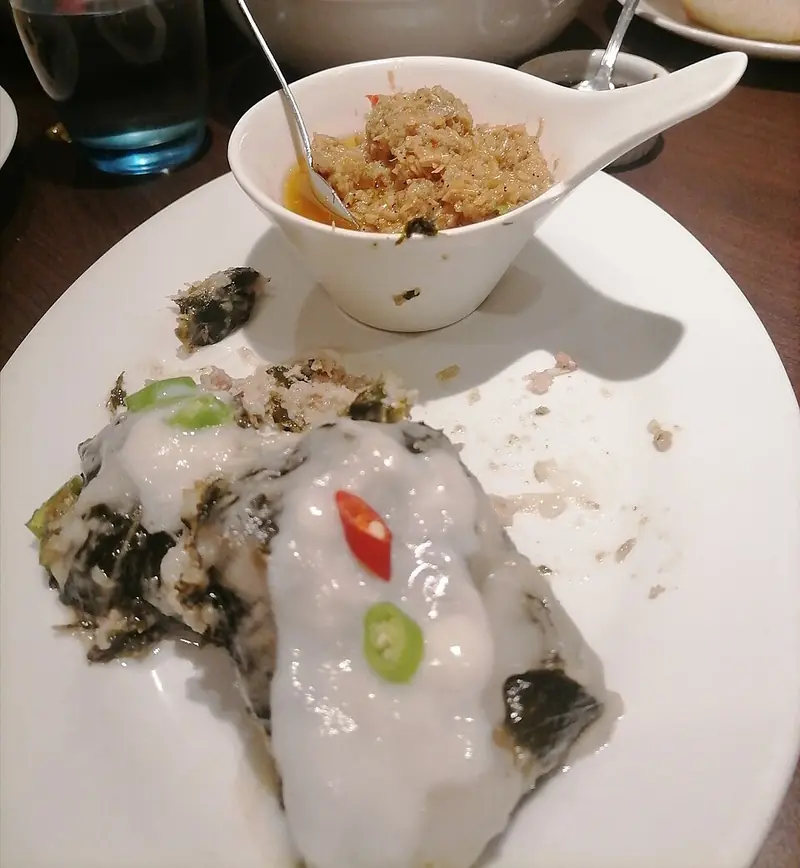
A Camarines Sur specialty: small parcels of taro leaves wrapped around a filling of ground pork or shrimp, shrimp paste, and chili, then cooked in coconut milk. Similar to laing but assembled into individual packets that hold their shape. The Naga city version uses young taro leaves called natong.

Kinunot

Shredded stingray (pagi) or shark meat cooked in coconut milk with moringa (malunggay) leaves and chili. Kinunot is considered a Bicolano delicacy and appears at celebrations and family meals. The shredded texture of the fish absorbs coconut milk differently from whole cuts, creating a distinctive consistency.

Pinangat na Isda (Camarines Sur Style)

Camarines Sur, Bicol
20 minutesPrep
35 minutesCook
4Serves
Ingredients
  • 600gFish (pampano or tilapia), whole or large cuts
  • 2 cupsCoconut milk
  • 8–10 leavesTaro leaves (gabi)
  • 5, crushedSiling labuyo (bird's eye chili)
  • 2 thumbs, slicedGinger
  • 5 cloves, crushedGarlic
  • 1, slicedOnion
  • 1 tablespoonBagoong alamang
  • to tasteSalt
Method
  1. Line a wide pan with taro leaves, reserving some for the top.
  2. Place fish on the taro leaf bed. Scatter ginger, garlic, onion, and chili over the fish.
  3. Add bagoong and pour coconut milk over everything.
  4. Cover fish with remaining taro leaves.
  5. Bring to a boil over medium heat, then reduce to a simmer. Cook 25–30 minutes until coconut milk thickens and the taro leaves are fully tender.
  6. Taste and adjust salt. Serve with rice.
Cook's note

The taro leaves will itch if undercooked — ensure they are fully tender before serving. The coconut milk should be fairly thick by the end of cooking. Do not rush the simmer.

The language of Camarines Sur is Bikol, specifically the Central Bikol dialect centered on Naga City. This is the prestige dialect of the Bikol language family and the variety used in most published Bikol literature and media. It is distinct from the dialects of Camarines Norte and Albay, though all are mutually intelligible to varying degrees.

Bikol (Central/Naga dialect)Primary language
~1 million in provinceSpeakers
Latin (historical: Baybayin)Script
Rinconada Bikol, Miraya BikolRelated languages

Naga City has a tradition of Bikol language publishing and advocacy. The Bikol literary tradition includes poetry, short fiction, and theater. The Rinconada Bikol spoken in the southern municipalities around Lake Buhi and Lake Bato is considered a distinct variety, with significant vocabulary differences from the Naga dialect.

Bikol Literature

The Ateneo de Naga University has been a center of Bikol language scholarship and literary production for decades. The university publishes the Bikol literary journal Banat.

Naga City is the main arrival point for Camarines Sur, served by regular flights from Manila and Cebu, and by frequent bus service from Manila and other points. The city has developed accommodation and dining infrastructure well beyond what smaller Bicol provinces offer. Pili, the capital, is a short drive from Naga and is home to the CamSur Watersports Complex.

~1 hour (Naga Airport)From Manila by air
8–9 hoursFrom Manila by bus
September (3rd week)Best for Peñafrancia
December–MayBest weather

Peñafrancia Shrine, Naga City

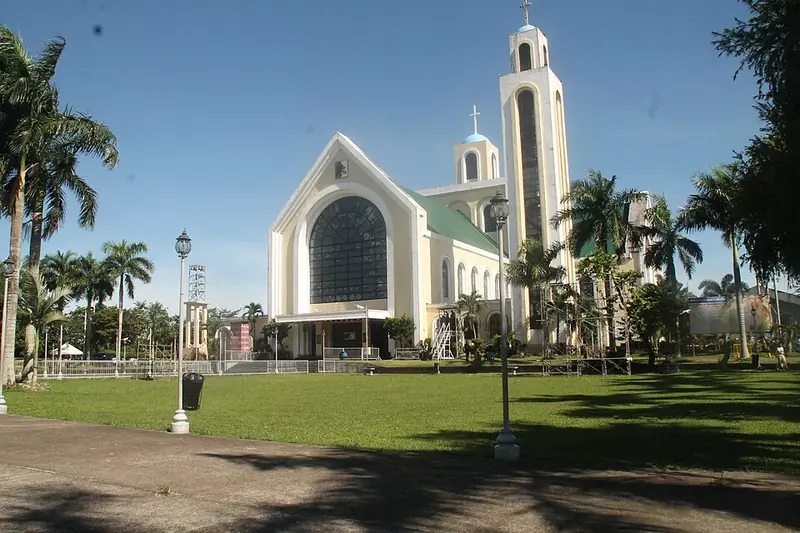
The minor basilica and shrine of Our Lady of Peñafrancia on the Naga River banks is the spiritual heart of the Bicol Region. The image is kept in a small chapel adjoining the main church and is accessible year-round. During the September festival, the surrounding area becomes impassable with crowds. Outside festival season, the shrine is quiet and allows contemplative visits.

CamSur Watersports Complex (CWC)

A cable wakeboarding facility in Pili that has hosted international competitions. The artificial cable system allows riders to be pulled across the lake without a boat. The complex includes a hotel, restaurants, and other water sports. It is unusual in the Philippine context — a world-class sports facility in a provincial capital town.

Mount Isarog National Park

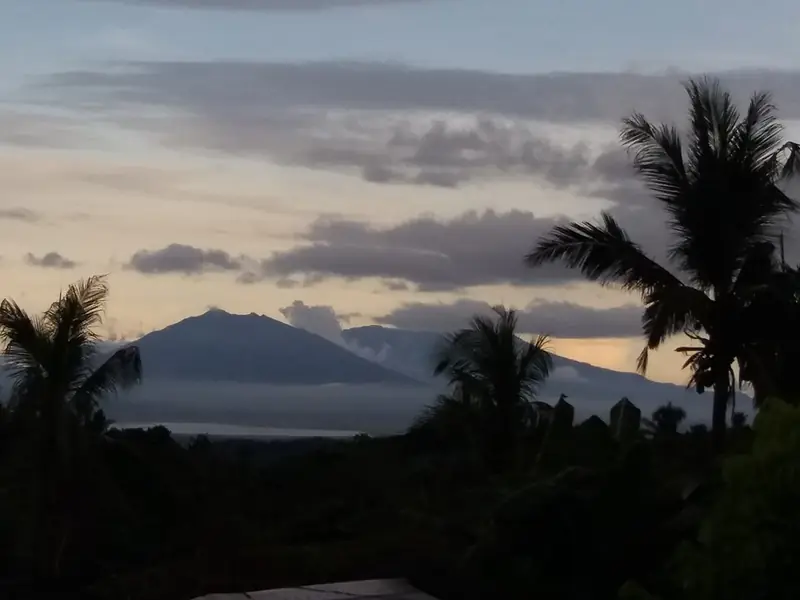
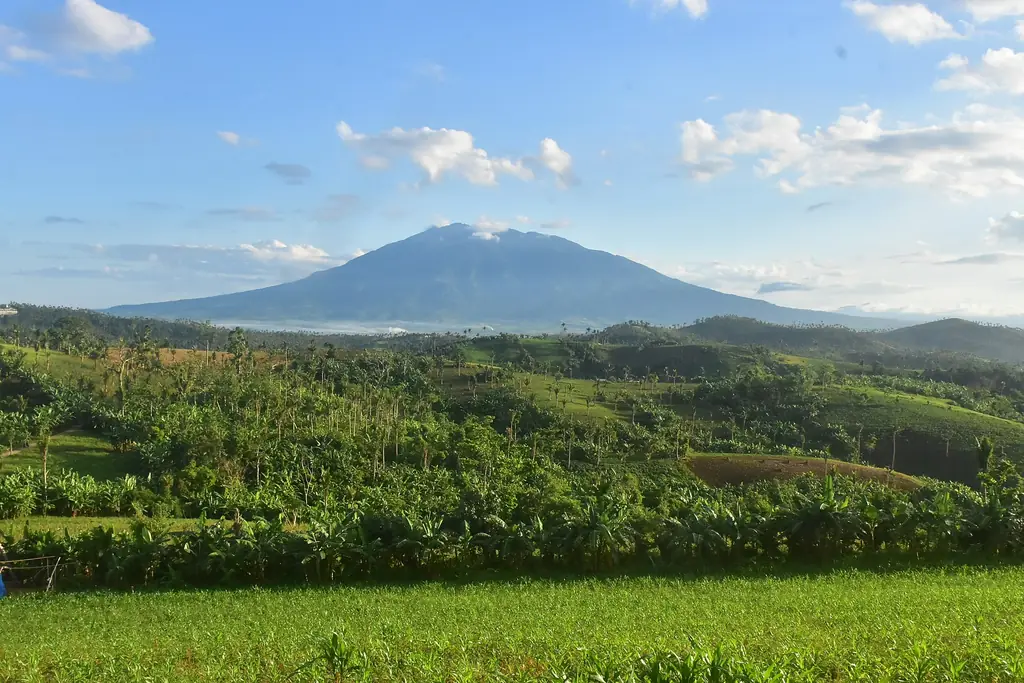
An active stratovolcano rising to 1,966 meters southeast of Naga City. The national park surrounding the volcano protects one of the most biodiverse forests in the Bicol Region. Trekking to the summit is a challenging two-day climb. The forest holds several endemic species including the Isarog shrew.

Lake Buhi

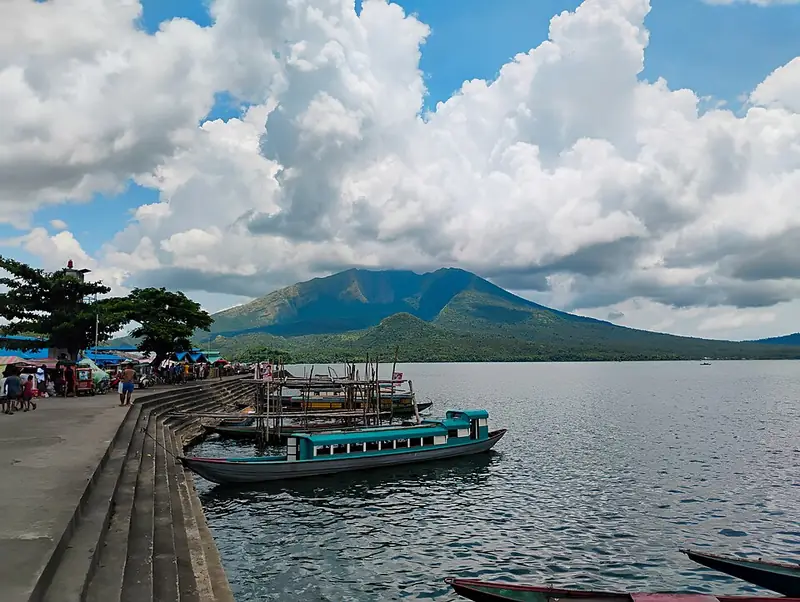
A freshwater lake in the southern part of the province, home to the sinarapan (Mistichthys luzonensis) — the world's smallest commercially harvested fish. At 9–12mm in length, sinarapan is harvested by local fishermen using fine-mesh nets and sold fresh or dried. The lake community's economy is built around this tiny fish.

Wildlife and natural heritage content coming.

Meet all 65 Philippine animals in Hayop ng Pilipinas →
← All stories
Lugar · Naga City

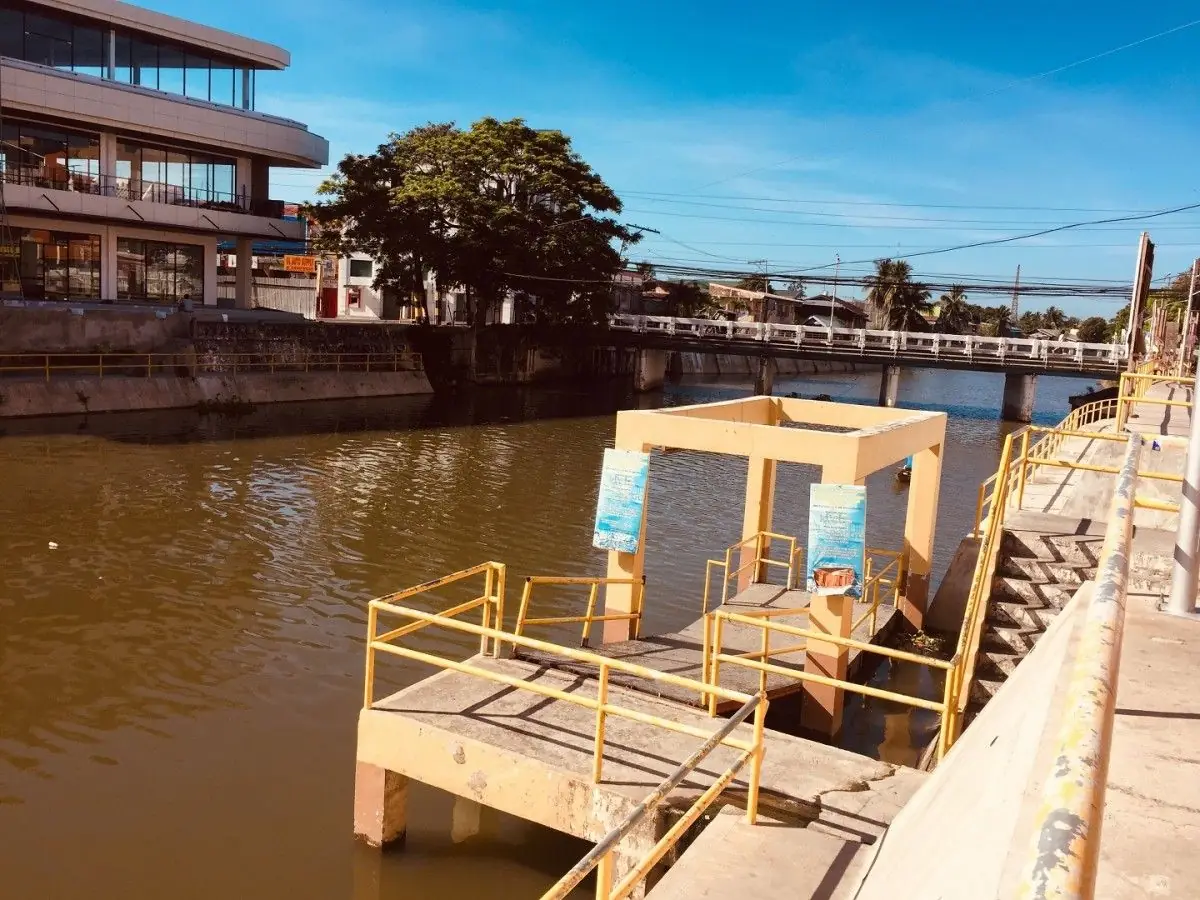
The Naga River

The Naga River, part of the wider Bicol River, runs through Naga City in Camarines Sur. Bikolanos call it Aldaw kan Salog nin Buhay, the Day of the River of Life.

Every September the river carries the Penafrancia Festival, when the image of Our Lady of Penafrancia is brought home by a grand fluvial procession, one of the largest Marian devotions in the country.

I studied in this city for four years, and only once did I stop to really see the river, quiet and clean in the early light. I sat a while on the bank, let the morning sun warm me, and felt my worries lift. Thank you, Naga River, for listening.

Mga Larawan

← All stories
Kasaysayan · Naga City

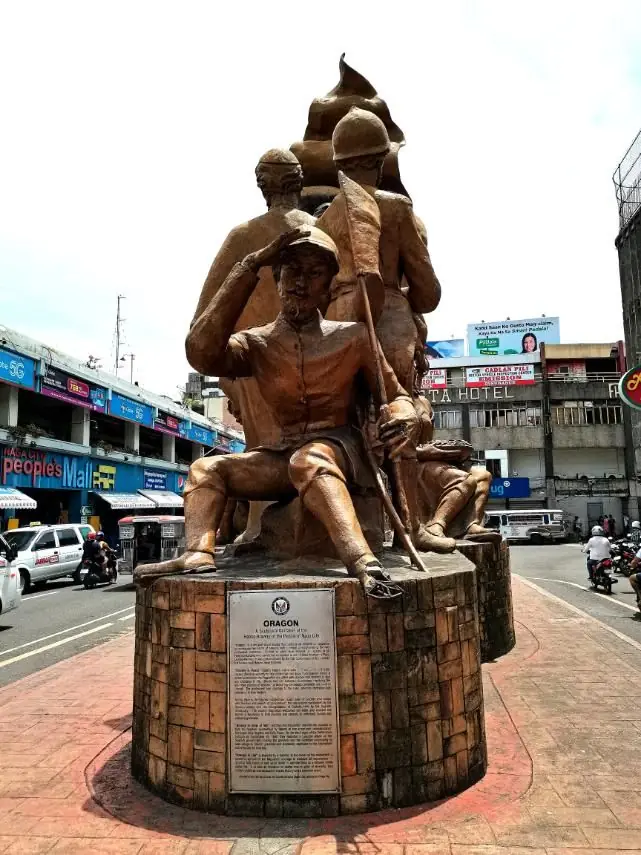
Oragon: The Founding of Naga

Oragon is a Bikol word for brave, tough, and never giving up. It is how Bikolanos describe themselves, and it runs through the history of Naga.

Juan de Salcedo reached the native settlement of Naga in 1573. Two years later, in 1575, the Spanish founded a city here, La Ciudad de Caceres, later Nueva Caceres, named for the hometown of the governor-general. The name Naga itself comes from the narra tree, once abundant along the river.

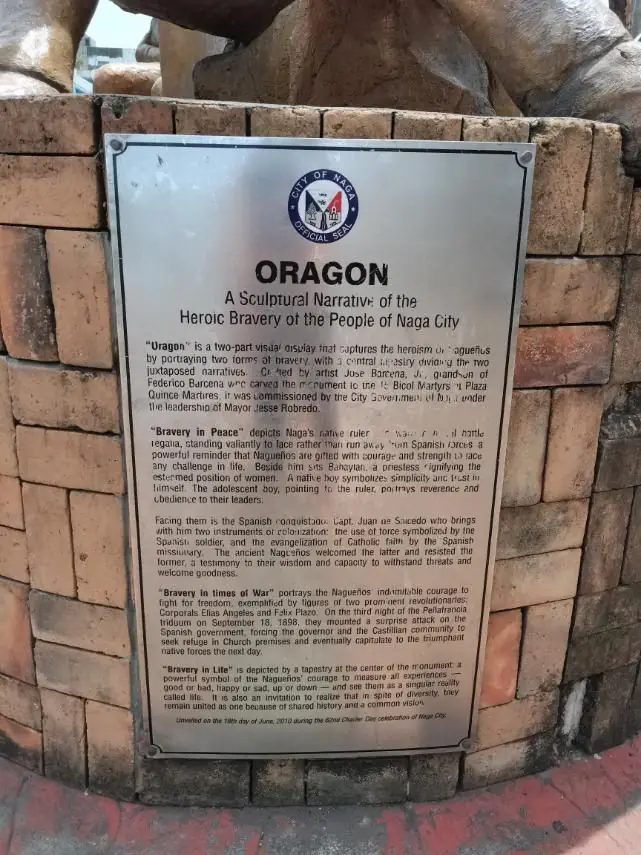
A monument in the city remembers the courage of the Naguenos, honored each Independence Day, a reminder of a people who stood their ground.

Mga Larawan

← All stories
Kasaysayan · Naga City

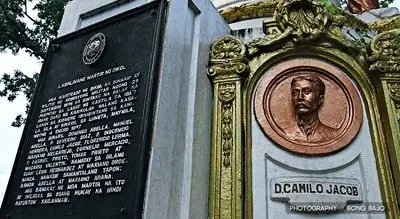
The Fifteen Martyrs of Bicol

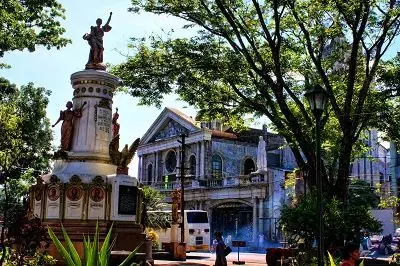
In downtown Naga stands the Plaza Quince Martires, honoring the Fifteen Martyrs of Bicol, arrested from 1896 for their links to the revolution against Spain.

Not all of them were executed. Eleven were shot at Bagumbayan, now Luneta, in Manila on 4 January 1897. One died aboard a prison ship, and three died in exile. Together they are remembered as fifteen, and the monument was raised in 1926.

As a schoolchild in Naga I visited this plaza on field trips, and our teacher had us learn the martyrs' names. Some of them I remember still.

Mga Larawan

← All stories
Lugar · Iriga City

Mount Asog, the Mountain of the Rising Sun

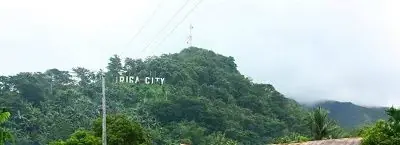
About forty minutes from Iriga City rises Mount Asog, also called Mount Iriga, a long-dormant volcano and, after Mayon, one of Bicol's most striking peaks.

Its name comes from Asog, an ancient Agta datu said to have ruled the region. It is also called Mount Sumagang, the Mountain of the Rising Sun. In 1641, a great collapse on its slopes is said to have dammed a valley and formed the nearby Lake Buhi.

From its heights the view opens wide, to Mount Mayon, Mount Malinao, and Mount Masaraga to the south, and on a clear day, distant Catanduanes to the southeast.

Mga Larawan

← All stories
Lugar · Libmanan

The Coconut Coast of Libmanan

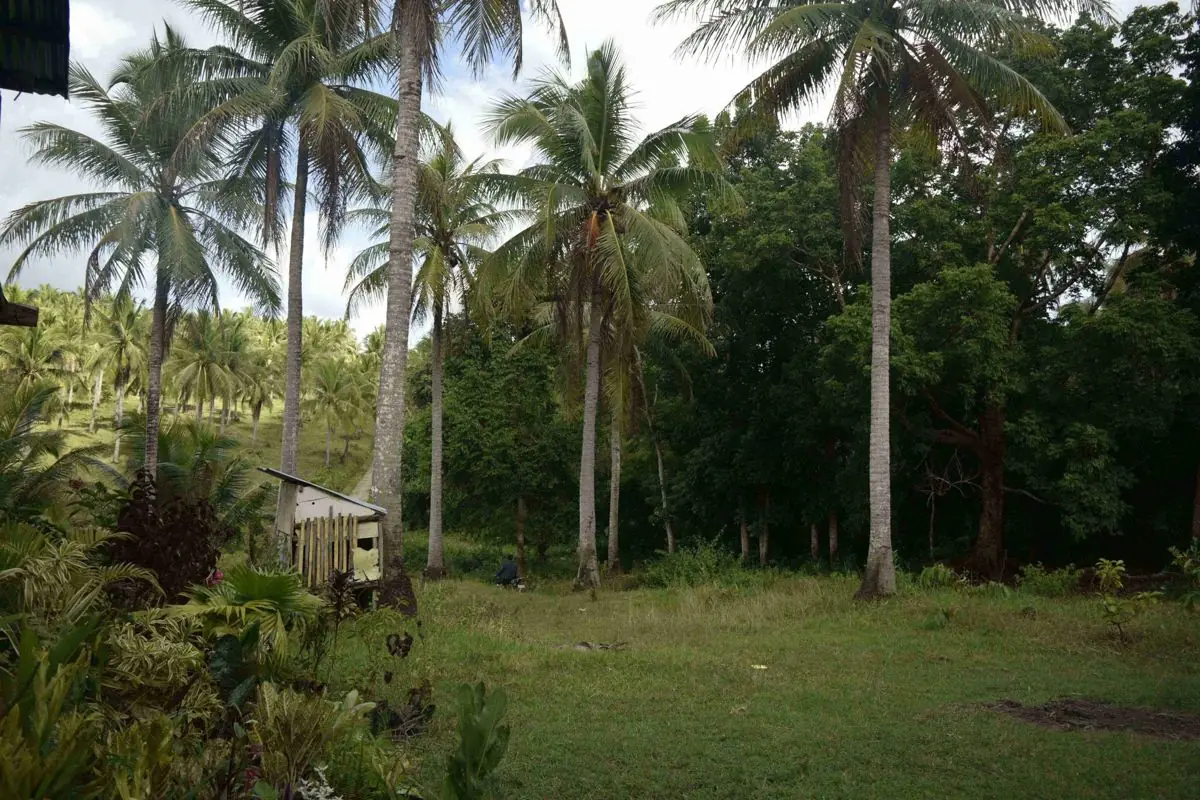
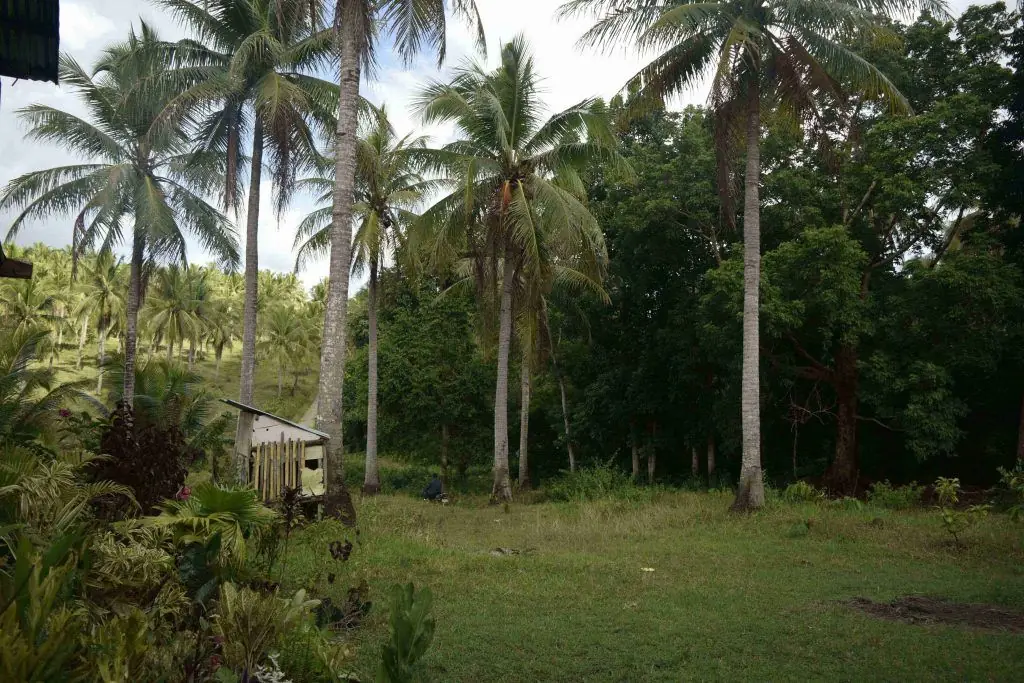
Coconut trees, everywhere you look. That is how you know you are in the Bikol countryside. I came to Libmanan, in Camarines Sur, over mountain after mountain, with the green never leaving the view.

This is a remote place, with almost no phone signal, and that is its gift. You wake in the cool morning, make coffee, and sit with your feet up while the day begins.

A hundred meters down the hill is the shore, where the fishermen live. Snails, clams, and fresh seafood are there for the taking, so long as you have no allergies. Otherwise, there is always the coconut.

Mga Larawan