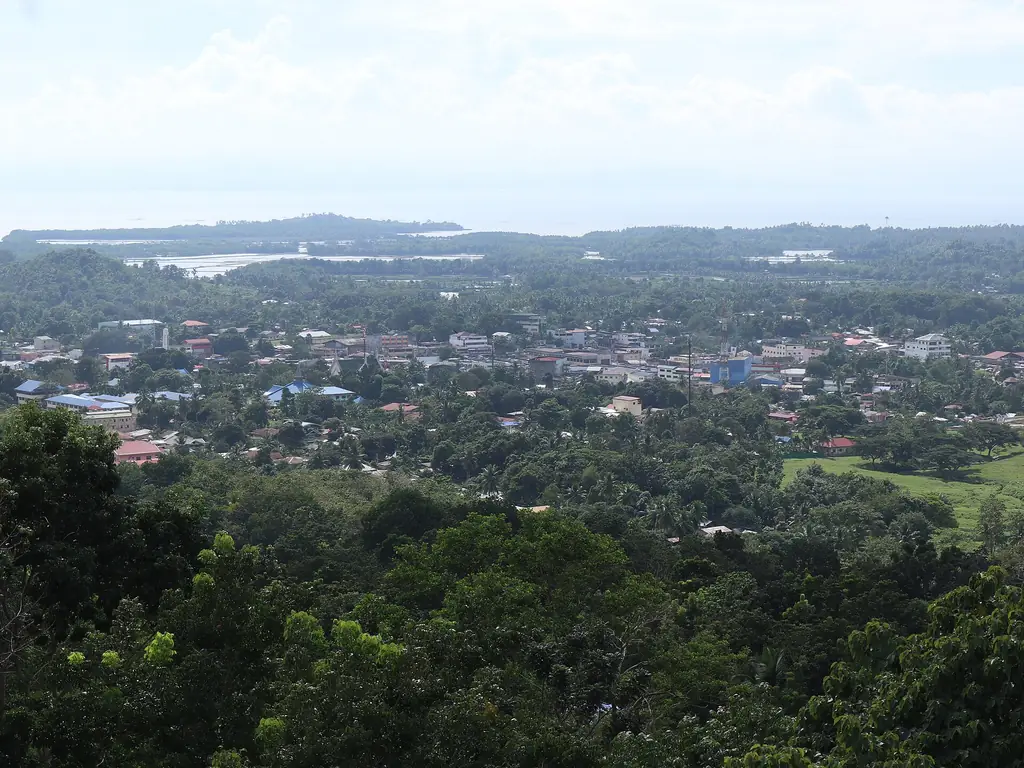
Ipil town and the bay seen from the hills, Zamboanga Sibugay
Photo: Patrickroque01 · CC BY-SA 4.0 · Wikimedia Commons
Map

Zamboanga Sibugay

Zamboanga Peninsula
Mindanao
Capital Ipil
Population (2024) 661,498
Area 3,608 km²
Municipalities 16
Cities 0
Island Group Mindanao
Languages Cebuano, Subanen, Chavacano

Population: 2024 census (PSA). Area: land area.

Kapitbahay — Neighboring Provinces

Zamboanga Sibugay is the youngest of the three Zamboanga provinces — carved from Zamboanga del Sur in 2001 — occupying the interior and southern coastal zone of the Zamboanga Peninsula. Its capital, Ipil, is the province's commercial center; the town rebuilt after a deadly armed raid in 1995.

IpilCapital
3,608 km²Area
16Municipalities
MindanaoIsland Group

The Sibugay Valley — the river valley that gives the province its name — is one of the more productive agricultural zones of the Zamboanga Peninsula, with rice, corn, and coconut farming sustaining the lowland communities. The forest margins of the Zamboanga range along the provincial borders are Subanen territory. Margosatubig Bay on the Moro Gulf coast provides access to the rich fishing grounds of the southern sea.

★
The Sibugay Valley

The Sibugay River — which gives the province its name — drains a wide agricultural valley that was opened to settler farming communities in the mid-20th century. The valley now produces significant volumes of rice, corn, and coconut. The river itself is the source of water for the agricultural irrigation systems that support the valley's lowland farms.

Zamboanga Sibugay had 661,498 people in the 2024 census, living in 16 towns. Ipil is both the capital and the largest town. The province wraps around Sibuguey Bay, whose mangroves and mudflats form the Sibugay Wetland Nature Reserve, a wetland of international importance under the Ramsar Convention since 2024.

The Interior of the Peninsula

The territory that is now Zamboanga Sibugay was the interior of the Zamboanga Peninsula — a zone that the Spanish missions penetrated only partially and that remained largely Subanen territory until American-period settlement programs opened the valley floors to migrant farming communities from the Visayas and Ilocos. The communities that now populate the province's agricultural municipalities are the descendants of those mid-20th-century migrants.

1667

Sibuguey in the Spanish Record

The earliest known written mention of Sibugay is in the Jesuit Francisco Combés's 1667 history of Mindanao and Jolo, which describes the village of "Sibuguey" on the river of the same name.

1940s–1960s

Settler Migration into the Sibugay Valley

The Sibugay Valley was among the Mindanao frontier zones opened to settler farming under American and post-independence resettlement programs. Ilocano, Cebuano, and Hiligaynon migrant families established farming communities in the valley lowlands. The Subanen communities retreated to the highland margins as lowland farming expanded across the valley floor.

1997

People's Initiative

Proposals to split Zamboanga del Sur had been filed in Congress since the 1960s without success. During the 12 May 1997 barangay elections, a People's Initiative was held, and most voters in the third district signed in favor of a new province.

2000–2001

Zamboanga Sibugay Established

Republic Act No. 8973, signed on 7 November 2000, created Zamboanga Sibugay from the third district of Zamboanga del Sur, with Ipil as capital. It was ratified in a plebiscite on 22 February 2001. Representative George Hofer, who sponsored the bill, became the first governor.

2024

Ramsar Wetland

On 8 January 2024 the Sibugay Wetland Nature Reserve was designated a Ramsar Site, one of the Philippines' wetlands of international importance. It protects about 6,150 hectares of mangroves and the mudflats of Sibuguey Bay.

Zamboanga Sibugay's cultural composition mirrors the Zamboanga Peninsula's broader diversity. Christian settler communities — predominantly Cebuano and Ilocano — dominate the agricultural valleys. Subanen communities occupy the forest margins. Maguindanao and Tausug communities are present in the coastal and western municipalities closest to the BARMM border. The province is a place where these communities have learned to coexist with varying degrees of ease.

Subanen Communities

The Subanen communities of Zamboanga Sibugay's highland interior maintain the same traditions as those across the Zamboanga Peninsula — the gyulen ritual ceremony, the baylan spiritual specialist, and a highland forest knowledge that encodes the ecological relationships of the Zamboanga range. Many communities have converted to Christianity while retaining elements of Subanen ritual practice within a Christian framework.

Ang Kalilangan Festival

Zamboanga Sibugay's provincial festival — Ang Kalilangan — is held annually in October, celebrating the creation of the province with cultural presentations from its diverse ethnic communities. Street dancing, cultural exhibits, and a trade fair bring together the province's Subanen, Maguindanao, and Christian settler communities in a celebration designed around their shared provincial identity.

★
The Recovery of Ipil

In the decades since the 1995 raid, Ipil has rebuilt its commercial district and reestablished itself as a functioning provincial capital. The town's recovery is a matter of local pride — the community refused to be defined by a single event, however violent. The commercial district that was burned in 1995 is now the busiest in the province.

See the great festivals in Pista ng Pilipinas →

Zamboanga Sibugay's food reflects its agricultural and maritime character — rice and corn from the valley farms, seafood from Margosatubig Bay and the Moro Gulf, and the cooking traditions of the Cebuano and Ilocano settler communities that dominate the province's lowland towns.

Sinugba na Isda (Grilled Bay Fish)

Fresh fish from Margosatubig Bay — grouper, snapper, or the smaller reef fish of the bay's shallower waters — scored, rubbed with salt and calamansi, and grilled over charcoal until the skin is crisp. Served with rice and a dipping sauce of coconut vinegar and bird's eye chilli. The proximity to the bay means the fish arrives at the grill within hours of being caught.

Lechon Cebuano (Sibugay Style)

The roasted whole pig of the Cebuano tradition — the de facto celebration food of the Christian settler communities across the Zamboanga Peninsula — prepared in Sibugay with the interior herbs and aromatics of the highland farms: lemongrass, galangal, and local aromatic leaves stuffed into the cavity before the long charcoal roasting. The crisp skin is the centrepiece.

✦
Ipil Public Market

The rebuilt Ipil public market serves as the commercial center of the province. The morning market has fresh produce from the Sibugay Valley farms and fresh seafood from the bay. The food stalls and carinderias around the market serve breakfast from early morning — the sinugba and the rice-based preparations of the Cebuano tradition are the standard morning options.

Cebuano is the dominant everyday language of most of Zamboanga Sibugay's lowland communities, reflecting the majority Cebuano settler population. Ilocano is spoken in communities established by Ilocano migrants. Subanon is the language of the highland interior communities. Maguindanaon and Tausug are spoken in the coastal municipalities closer to the BARMM border.

CebuanoMain language
ChavacanoAlso spoken
SubanenIndigenous
Filipino, EnglishSecond languages

Language Diversity in the Valley

The Sibugay Valley's language diversity reflects the settlement history of the region — different migrant streams arriving at different times, from different origins, and settling in adjacent communities. The result is a valley where a Cebuano farmer and an Ilocano neighbor communicate in Filipino, while the Subanen upland community speaks a language unrelated to either. This linguistic layering is not unusual in Mindanao's frontier zones, but Zamboanga Sibugay presents it in concentrated form.

★
Chavacano Influence

Chavacano, the Spanish-based creole of Zamboanga City, is spoken in Zamboanga Sibugay alongside Cebuano, especially in communities with long ties to the city. The Chavacano words that have diffused into local Cebuano usage reflect the centuries of commercial and social contact between the peninsula communities and the city at its western tip.

Zamboanga Sibugay is reached by road from Pagadian City in the east or from Zamboanga City in the west — both connections require three to four hours of driving through the Sibugay Valley or the coastal road. There is no commercial airport in the province; Pagadian and Zamboanga City are the air entry points.

3–4 hrs (road)From Pagadian City
3–4 hrs (road)From Zamboanga City
Pagadian or Zamboanga CityNearest airport
Dec–MayBest season

Margosatubig Bay

The bay facing the Moro Gulf on the southern coast of Zamboanga Sibugay — a productive fishing ground and the main maritime access point for the province's southern municipalities. The coastal communities along the bay have a fishing culture shaped by the Moro Gulf's tuna and reef fish abundance.

Sibugay Valley

The agricultural valley that gives the province its name — a landscape of rice paddies, coconut farms, and corn fields stretching along the Sibugay River through the province's interior municipalities. The valley has the open, agricultural character of a well-settled frontier — productive, functional, and lacking the tourist infrastructure of more visited destinations.

Mindanao State University — Zamboanga Peninsula Campus

The MSU campus in Ipil provides the province with higher education access and an institutional presence that has contributed to the community's recovery and development since the 1995 raid. The campus hosts cultural events and community activities that bring together the province's diverse student population.

✦
Zamboanga Sibugay as Transit

Most visitors to Zamboanga Sibugay pass through the province in transit between Pagadian and Zamboanga City. The provincial road via Ipil is the standard overland route between the two cities. A deliberate stop in Ipil — for the market, a meal, and the bay view — adds context to the provincial character without requiring a multi-day stay.

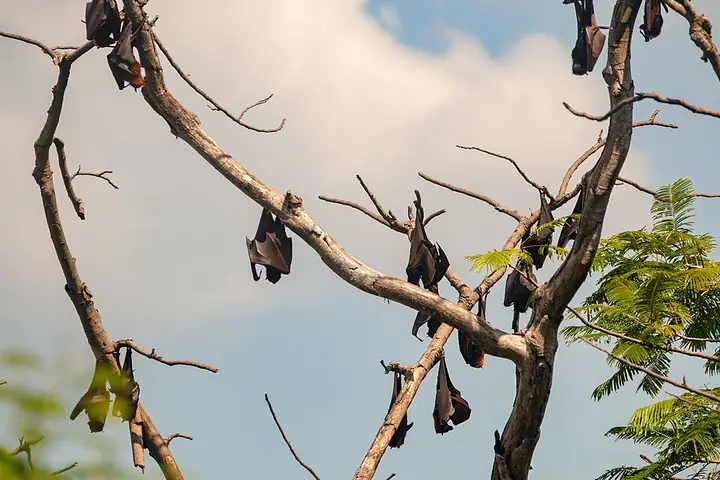
Sibuguey Bay is the province's great natural asset. Sixteen river systems drain into a complex of mangroves, tidal mudflats and reefs that has been a Ramsar wetland since 2024. From September to March the mudflats feed thousands of migratory shorebirds, including the endangered great knot and Far Eastern curlew. Mangroves in Siay hold what is believed to be the largest flying fox colony in the country.

Giant golden-crowned flying foxes at a roost in the Philippines
Photo: Luke Marcos Imbong · CC BY-SA 4.0 · Wikimedia Commons
Golden-crowned Flying Fox
Acerodon jubatus
Endangered
One of the largest bats in the world, found only in the Philippines. It roosts in the Sibugay mangroves together with large and island flying foxes. Many local people once saw the bats as pests, but experts now recognize their important role in the health of the mangroves.
Field note: Do not disturb roosts. Noise and boats close to roost trees make the bats flee in daylight.
A hawksbill sea turtle at Anilao, Batangas
Photo: Diego Delso · CC BY-SA 4.0 · Wikimedia Commons
Hawksbill Turtle
Eretmochelys imbricata
Critically Endangered
A reef turtle with a narrow, hawk-like beak and patterned shell. The coastal waters of the reserve are feeding and nesting grounds for hawksbill and green turtles.
Field note: Report nesting turtles or tangled turtles to the PENRO office in Zamboanga Sibugay. Do not buy turtle-shell products.
Meet all 65 Philippine animals in Hayop ng Pilipinas →

The Town That Rebuilt

On the morning of April 4, 1995, armed men arrived in Ipil — then a town in Zamboanga del Sur — and began shooting. They moved through the commercial district, killing people in the shops and the streets, looting what they could carry, and burning what they could not. When they withdrew, 53 people were dead, the town center was in ruins, and the town would spend years rebuilding.

The town rebuilt. This is stated plainly because it is the most important fact about the Ipil raid: not the raid itself but what came after it. The commercial district was reconstructed within a few years. Families who had fled returned. New families arrived. The market that was burned is now the busiest commercial space in the province. The children who were too young to remember the raid are now adults who know about it only from what their parents told them.

Zamboanga Sibugay became a province six years after the raid — a province with Ipil as its capital. The administrative act of creating the province was, among other things, an act of investment: the national government and the provincial community deciding together that Ipil was a place worth building institutions around, not a place to be abandoned. The institutions are there now. The market is busy. The town is a provincial capital. The morning of April 4, 1995 is in the history books, and the town is still here.

Sources · updated 4 October 2026
Photo credits (3)

Photos from Wikimedia Commons, used under the licences shown; some were resized. All photo credits