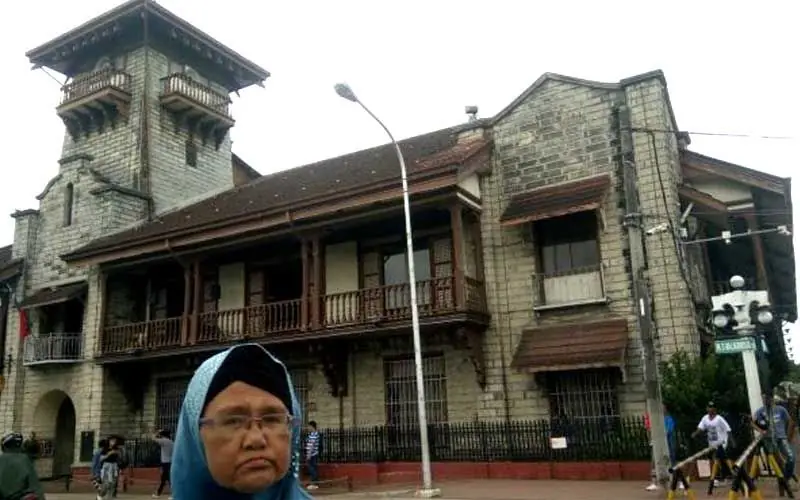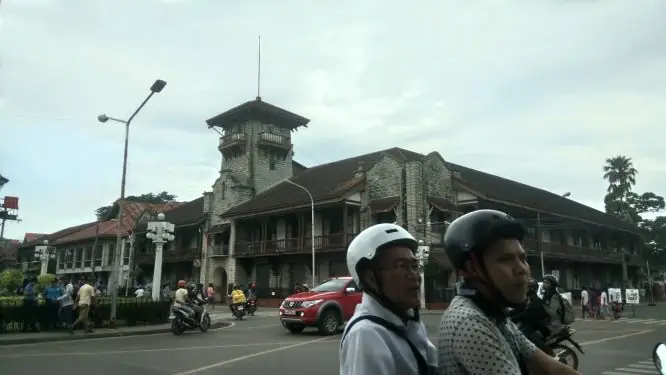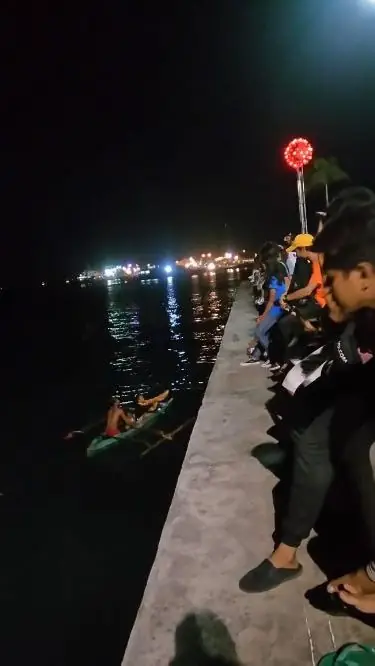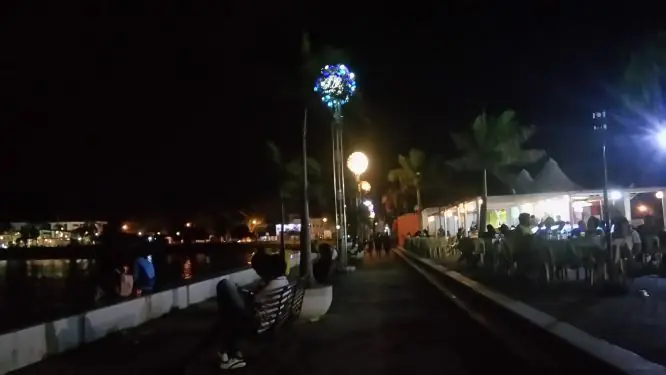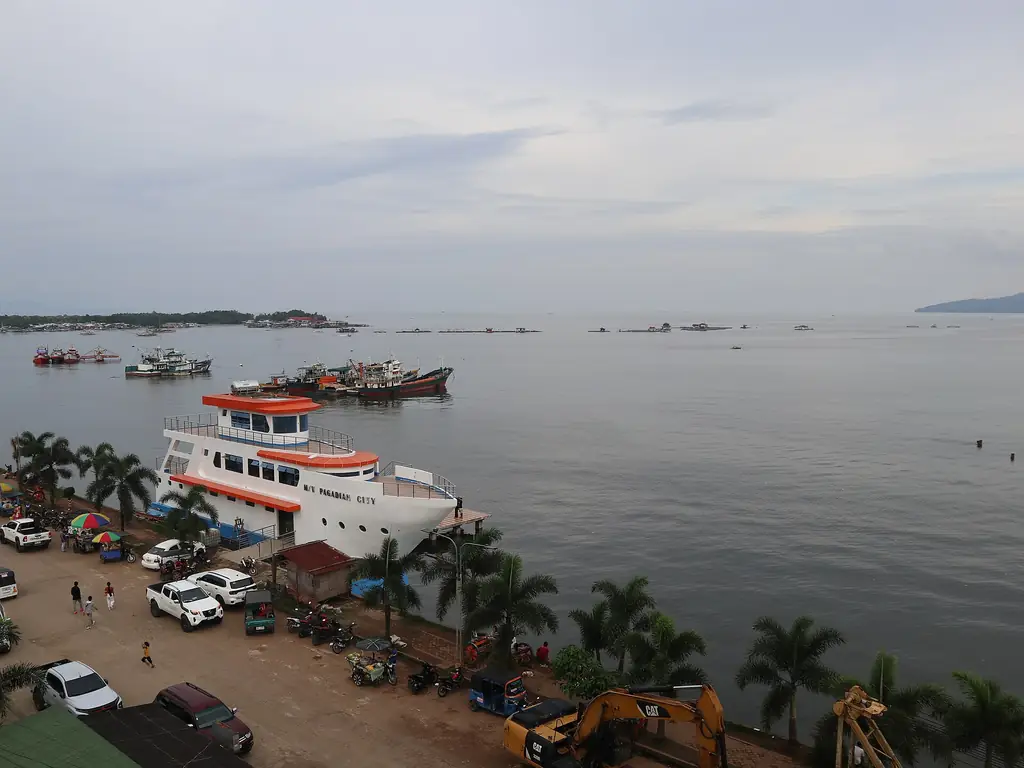
Pagadian seaside and Illana Bay from above
Photo: Patrickroque01 · CC BY-SA 4.0 · Wikimedia Commons
Map

Zamboanga del Sur

Zamboanga Peninsula
Mindanao
Capital Pagadian City
Population (2024) 2,063,975
Area 5,914 km²
Municipalities 26
Cities 2
Island Group Mindanao
Languages Cebuano, Subanen, Chavacano

Population: 2024 census (PSA). Area: land area. Population, area and city count include Zamboanga City, which the census lists separately from the province.

Kapitbahay — Neighboring Provinces

Zamboanga del Sur occupies the southern and central portion of the Zamboanga Peninsula — the long arm of Mindanao extending westward into the Sulu Sea. Its capital, Pagadian City, sits on Illana Bay and is the regional center of the Zamboanga Peninsula. The original inhabitants of the peninsula were the Subanen along the inland rivers and the Sama-Bajau and Yakan on the coasts.

Pagadian CityCapital
5,914 km²Area
26 + 2 citiesMunicipalities
MindanaoIsland Group

Pagadian is built on steeply rolling terrain above its sheltered bay. Its best-known symbol is a tricycle designed for the hills, with the cab tilted at about 25 to 40 degrees; it is said to be the only inclined public transport vehicle in the country. In recent years many have been replaced by quieter, more fuel-efficient "bao-bao" auto rickshaws.

★
The Inclined Tricycle

Pagadian's hilly streets gave rise to its famous tricycle, designed for the city's terrain, with its cab inclined at about 25 to 40 degrees. The modern city grew from the sitio of Talapukan, a name meaning "a place where springs abound".

The 2024 census counted 2,063,975 people in Zamboanga del Sur, including Zamboanga City, a highly urbanized city that is grouped with the province for statistics but governed independently. The province has 26 municipalities and one component city, Pagadian. Cebuano is the most common first language, and Chavacano is the majority language in and around Zamboanga City.
The Middle of the Peninsula

The Zamboanga Peninsula's southern coast — facing Illana Bay and the Moro Gulf — was historically within the sphere of influence of the Maguindanao Sultanate to the east, while the interior mountains were Subanen territory. Spanish missions penetrated the northern coast from Dapitan and Dipolog but made limited progress along the southern Illana Bay coast, where Maguindanao influence was stronger.

1952

Zamboanga del Sur Created

Republic Act No. 711, dated 6 June 1952, divided the old Zamboanga province into Zamboanga del Norte and Zamboanga del Sur. On 17 September 1952 Pagadian became the capital of the new province.

1973

Basilan Separated

Basilan, until then part of Zamboanga del Sur, became a separate province in 1973.

2000

Mount Timolan Protected Landscape

Mount Timolan and about 1,995 hectares of forest around it were declared a protected landscape on 14 August 2000.

2001

Zamboanga Sibugay Separated

In February 2001 the western part of the province became the new province of Zamboanga Sibugay.

2004

Pagadian Becomes Regional Center

Pagadian officially became the regional center of the Zamboanga Peninsula on 12 November 2004, taking over the role from Zamboanga City.

Zamboanga del Sur's culture is a mix: the Subanen of the interior, Sama-Bajau and Yakan communities on the coast, and settlers from the Visayas, Luzon and elsewhere. Besides Cebuano and Chavacano, people speak Maguindanaon, Subanen, Tausug, Maranao, Iranun, Hiligaynon, Ilocano and other languages.

Subanen of the Interior

The Subanen communities of the Zamboanga del Sur interior share the cultural traditions of the Subanen across the Zamboanga Peninsula, including their ritual specialists and their knowledge of the highland forest. Many Subanen communities in the province have converted to Christianity over the past century while retaining elements of their indigenous practice alongside Catholic observance.

Megayon and Pasalamat

Pagadian's Megayon Festival is a week-long celebration that coincides with the Zamboanga del Sur anniversary in September. Megayon is a Subanen word meaning "unity and solidarity", and the festival showcases the songs, dances, rituals of peace, foods and crafts of three cultures. The city also holds the Pasalamat Festival, with a fluvial parade and trade exhibits.

★
Mount Timolan

Mount Timolan, near Pagadian, is the province's protected landscape: about 1,995 hectares of forest and bushland declared in 2000. It is an important bird area, home to the Philippine eagle and the Philippine cockatoo, and the Dinas River rises there.

See the great festivals in Pista ng Pilipinas →

Pagadian City and the coastal municipalities of Zamboanga del Sur have access to the abundant seafood of Illana Bay — the same rich fishing ground that supports the communities of the adjacent Lanao del Sur and Maguindanao coasts. The interior municipalities cook in the Ilocano and Cebuano traditions brought by settler communities.

Kinilaw na Isda (Illana Bay Style)

Fresh fish from Illana Bay — yellowfin tuna, grouper, or the small reef fish of the bay's shallower sections — dressed in coconut vinegar, ginger, red onion, and local chilli. The Pagadian version uses a coconut vinegar produced in the coastal barangays — stronger and more aromatic than the commercial varieties. The bay's daily catch goes directly into the morning market and into the kinilaw preparations of the day.

Pinaupong Manok (Clay Pot Chicken)

Chicken cooked in an earthenware pot with rock salt, garlic, and local herbs — no liquid added beyond what the chicken produces itself. The pot is sealed with banana leaf and cooked over low heat until the chicken is tender and the juices have reduced to a concentrated, fragrant sauce. A preparation common across the Zamboanga Peninsula's interior municipalities.

✦
Pagadian City's Waterfront

The Pagadian City waterfront has a fish market and several seafood restaurants overlooking Illana Bay. Morning arrivals at the market see the overnight catch being unloaded. The restaurants along the waterfront road serve grilled seafood from midday — the grouper and snapper from the bay are particularly reliable.

Cebuano is the dominant everyday language of Pagadian City and most coastal municipalities of the province. The interior communities speak Cebuano alongside varying levels of retention of Subanon. Chavacano, the Spanish creole of Zamboanga City, is the majority language in and around that city but is less common elsewhere in the province.

CebuanoMost spoken
ChavacanoZamboanga City
SubanenIndigenous
Maguindanaon, Tausug, HiligaynonAlso

Subanon in Zamboanga del Sur

The Subanen of Zamboanga del Sur's interior speak the Lapuyan dialect of Subanon — one of the largest dialect groups of the language. The Lapuyan Subanon are the most studied of the Subanen communities, with documentation efforts going back to the Spanish mission period. The language is under pressure from Cebuano and Filipino in the communities closest to the lowland towns.

★
Maguindanaon on the Coast

The name Zamboanga comes from samboangan, a Sinama word for "mooring place" (sembwangan in Subanen), from samboang, a mooring pole. Maguindanaon is among the minority languages spoken in the province.

Pagadian City is reached by air from Cebu and Manila — a flight of about one hour from Cebu. The city serves as the gateway for the southern peninsula and is the transfer point for travel to Zamboanga Sibugay and onward to Zamboanga City by road. The inclined tricycles and the view over Illana Bay are the city's best-known sights.

~1 hr (air)From Cebu
3–4 hrs (road)From Zamboanga City
Pagadian AirportAirport
Dec–MayBest season

Pagadian's Hill Streets

The hilly streets of Pagadian City, where the inclined tricycles still run alongside newer bao-bao. Pajares Avenue passes a rotunda that overlooks Illana Bay and the Moro Gulf beyond.

Mount Timolan Protected Landscape

About 1,995 hectares of forest and bushland around Mount Timolan, declared a protected landscape in 2000 and managed by the DENR. Birders come for its forest species; the Dinas River rises here. Coordinate with the DENR or local officials before hiking.

Lison Valley

An agricultural valley in the interior of the province — rice and corn farming communities in a relatively flat inland basin surrounded by the Zamboanga range. The valley has a cooler climate than the coast and a different character — quiet, agricultural, with the rhythms of farming rather than fishing. Reached by road from Pagadian.

✦
Pagadian as a Hub

Pagadian City is the regional center and a transit hub rather than a tourism destination. Use it as the base for excursions into the interior, such as Mount Timolan and the Lison Valley, and to the fishing villages of the Illana Bay shore. The city has adequate accommodation and a range of food options for a one-night stay.

Mount Timolan Protected Landscape, about 1,995 hectares near Pagadian, was declared on 14 August 2000. It is an important bird area, home to the Philippine eagle, Philippine cockatoo and Philippine hawk-eagle, and its forests also shelter the Philippine tarsier, the Philippine warty pig and the Asian palm civet. The province's rivers include the Kumalarang, the Salug in Molave and the Dinas, which rises in the Timolan forests.

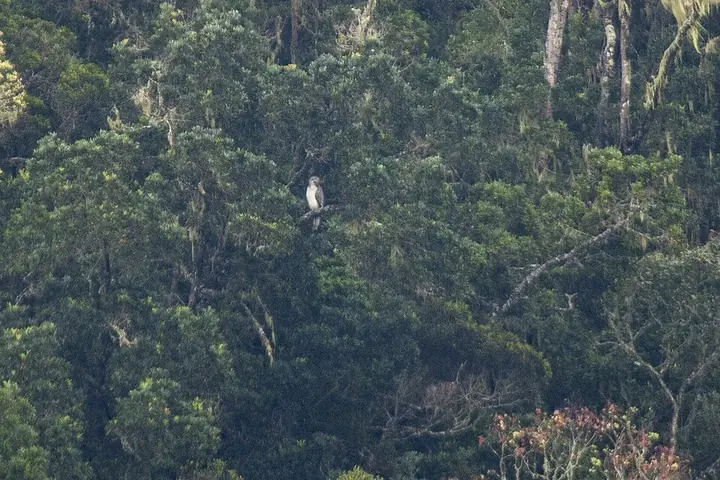
A Philippine eagle in the wild (photographed in Mindanao)
Photo: Francesco Veronesi from Italy · CC BY-SA 2.0 · Wikimedia Commons
Philippine Eagle
Pithecophaga jefferyi
Critically Endangered
The national bird, found only in the Philippines. Mount Timolan is listed among its homes in the province.
Field note: Never disturb a nest. Killing a Philippine eagle carries a prison term under the Wildlife Act.
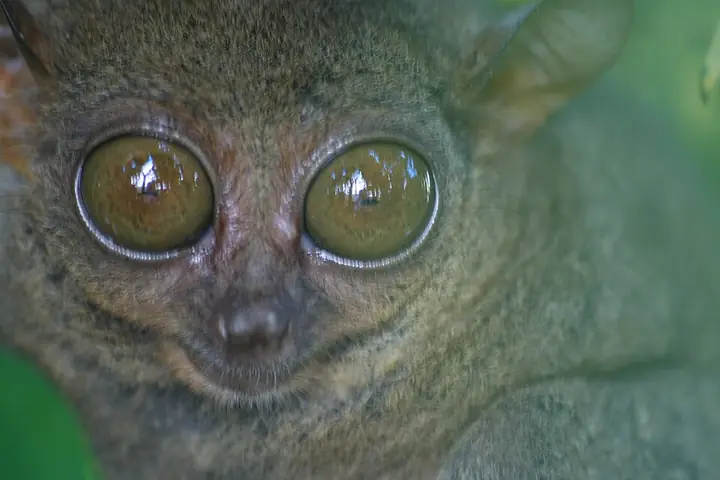
A Philippine tarsier (photographed in Bohol)
Photo: John Martin PERRY · CC BY-SA 4.0 · Wikimedia Commons
Philippine Tarsier
Carlito syrichta
Near Threatened
A tiny nocturnal primate with huge eyes, recorded in the Mount Timolan forests.
Field note: Do not handle tarsiers or use camera flash.
Philippine Warty Pig
Sus philippensis
Vulnerable
A wild pig found only in the Philippines, also living in the Mount Timolan forests.
Field note: Do not buy wild pig meat; report hunting to the DENR.
Meet all 65 Philippine animals in Hayop ng Pilipinas →
← All stories
Lugar · Pagadian

The Inclined Tricycles of Pagadian

Did you know that Pagadian City has one of the most unusual tricycles in the whole country? They call it the inclined tricycle. Its sidecar is tilted upward, by twenty-five to forty degrees, so the passenger stays level as the driver climbs the city's steep, hilly streets.

I love how the way people get around changes from place to place in this country. My ride from the boarding house to my site was something new. I sat almost reclined, the road tilting up, and I felt nervous at first, then settled in. The driver told stories the whole way, so I never got bored, and I arrived safe and sound.

← All stories
Kasaysayan · Zamboanga City

Zamboanga, Asia's Latin City

The Zamboanga Peninsula has been settled for many centuries. Its first people were the Subanen, and it was long the homeland of the Sama-Bajau peoples, among them the Yakan and the Banguingui, with the Tausug arriving from the Sulu archipelago from around the thirteenth century.

Out of that long history grew Zamboanga City, an independent city on the peninsula, today nicknamed Asia's Latin City. It is the home of Chavacano, the only Spanish-based creole language in Asia, a living echo of the colonial centuries.

At its heart stands Fort Pilar, the old Spanish fort of 1635, still watching over the sea. Zamboanga is a crossroads of peoples and tongues, unlike anywhere else in the country.

Mga Larawan

Sources · updated 4 October 2026
Photo credits (3)

Photos from Wikimedia Commons, used under the licences shown; some were resized. All photo credits