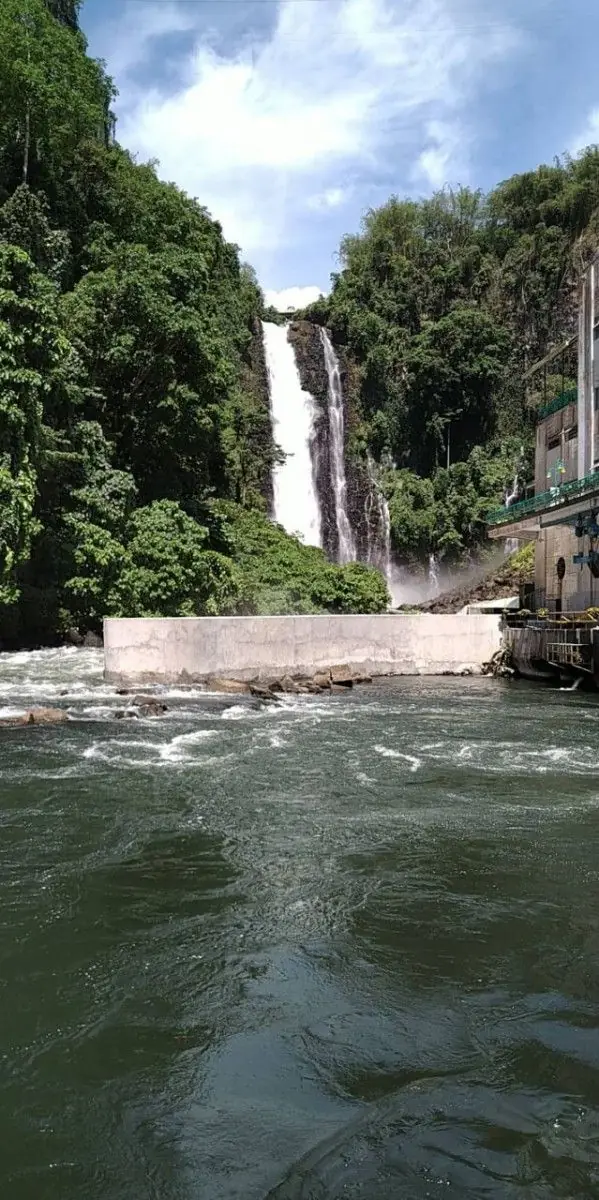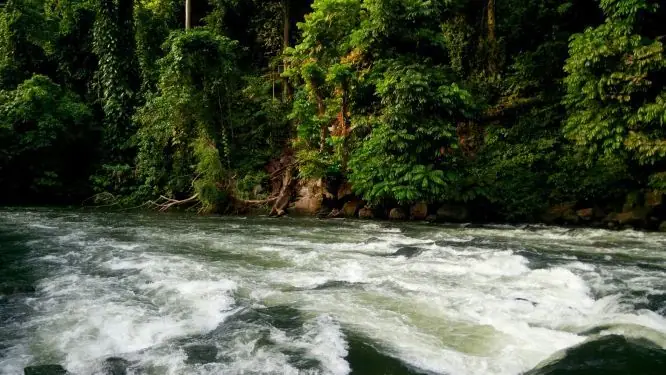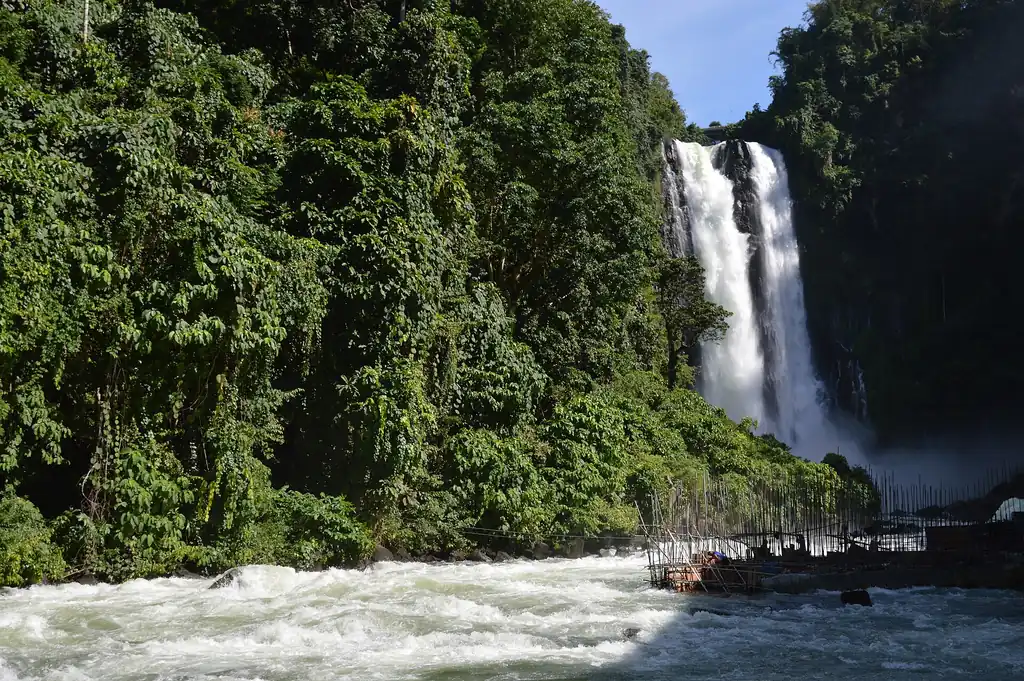
Lanao del Norte lies between Iligan Bay and the highlands around Lake Lanao, the second-largest lake in the Philippines and one of the 15 ancient lakes of the world, which lies within neighboring Lanao del Sur. The Agus River carries the lake's water north through the province to the sea, dropping over Maria Cristina Falls, and its hydroelectric plants produce most of Mindanao's electricity.
Land and Water
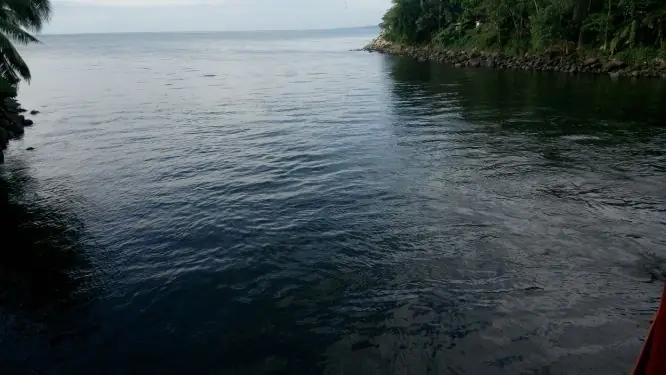
The Agus River drains Lake Lanao northward into Iligan Bay, dropping dramatically at Maria Cristina Falls before reaching the sea. This 98-meter cascade drives the National Power Corporation's hydroelectric plants and has long made Iligan, a highly urbanized city within the province, the Industrial Center of the South. Outside the city belt, the province is hilly interior forest and farming land.
Lake Lanao is counted among the 15 ancient lakes of the world. It was home to 17 endemic species of Barbodes fish, which are thought to have evolved there over 10,000 to 20,000 years. By 2020, 15 of them were regarded as extinct, lost to overfishing, pollution and introduced species.
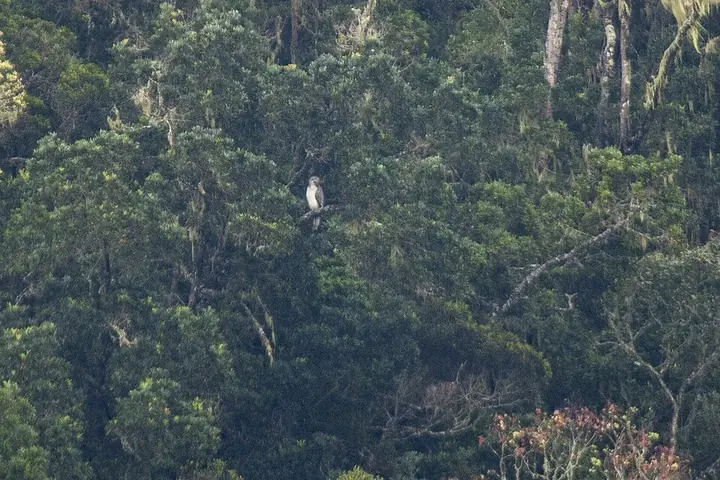
The population of Lanao del Norte is a mix of Maranao communities near the lake, Visayan settlers in the lowlands, and Higaonon indigenous peoples in the upland forests. This diversity shapes the province's markets, food, and local politics.
The 2024 census counted 761,725 people in the province's 22 municipalities. Iligan, a highly urbanized city since 1983, lies within the province geographically but governs itself; with it, Lanao del Norte is home to about 1.13 million people. The province runs from the shores of Iligan Bay and Panguil Bay in the north to high plateaus and mountains in the south, rising to Mount Inayawan, the highest point at about 1,535 meters. Lake Lanao itself lies just across the border, in Lanao del Sur.