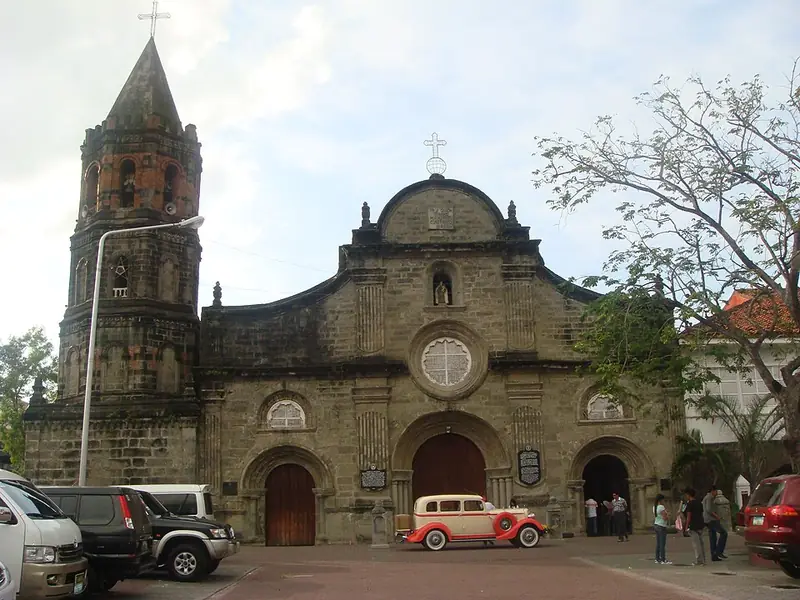
Bulacan sits in Central Luzon immediately north of Metro Manila, and its history is inseparable from the birth of the Philippine Republic. Malolos City, the provincial capital, hosted the Malolos Congress in 1898 and was the first capital of the First Philippine Republic in 1899. Today Bulacan is one of the most industrialized provinces in the country, part of an expanding urban corridor that has consumed much of the open land between Manila and the northern provinces.
Cradle of the Republic
The province has long been among the more prosperous parts of Luzon. Its proximity to Manila made it a commercial hub during the Spanish period, and an educated middle class — the ilustrado class — emerged here in the 19th century. Several of the architects of Philippine independence were Bulaqueños. This tradition of political and intellectual engagement has marked the province's character ever since.
Four cities anchor the province: Malolos (the capital), Meycauayan (long an industrial town), Baliwag (a city since 2022), and San Jose del Monte (the largest, a sprawling residential city housing workers from the Metro Manila corridor). The mix of historical significance and industrial output defines modern Bulacan.
Bulacan is the birthplace of Francisco Balagtas, whose 1838 awit Florante at Laura is considered a masterpiece of classical Tagalog literature.
The 2024 census counted 3,876,806 people in Bulacan, the most populous province in Central Luzon and the third most populous in the country, after Cebu and Cavite. It has 572 barangays in 20 municipalities and four component cities: Malolos, the capital, Meycauayan, Baliwag, and San Jose del Monte, the largest city. Santa Maria is the most populous municipality. Pampanga lies to the west, Nueva Ecija to the north, and Aurora and Quezon to the east, while the southern towns border Metro Manila and Manila Bay. The eastern third of the province rises into the Sierra Madre, where the Angat watershed supplies water to the capital.