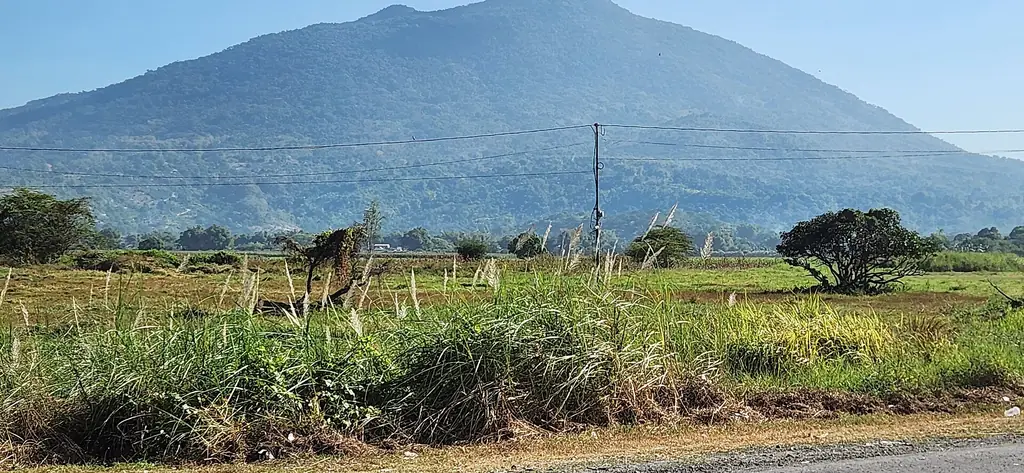
Mount Arayat rising above the plain of Pampanga
Photo: Mr ShmilyDigital · CC BY-SA 4.0 · Wikimedia Commons
Map

Pampanga

Central Luzon
Luzon
Capital San Fernando City
Population (2024) 3,069,898
Area 2,062 km²
Municipalities 19
Cities 3
Island Group Luzon
Languages Kapampangan, Tagalog

Population: 2024 census (PSA). Area: land area. Population, area and city count include Angeles, which the census lists separately from the province.

Kapitbahay — Neighboring Provinces

Pampanga occupies the southwestern portion of Central Luzon, south of Tarlac and west of Nueva Ecija. Its people, the Kapampangans, are one of the Philippines' distinct ethnolinguistic groups with a strong regional identity rooted in language, food, and a history of proximity to colonial power. The province is widely recognized as the culinary capital of the Philippines—and in December 2024 the Senate approved a bill declaring it the culinary capital of the Philippines.

San Fernando CityCapital
2,062 km²Area
19 + 3 citiesMunicipalities
LuzonIsland Group
Central Luzon (III)Region

Kapampangan Identity

The Kapampangans occupy a territory that was the center of Spanish colonial administration in Luzon for extended periods. Their proximity to Manila, combined with a tradition of military service under both the Spanish and Americans, gave them an outsized influence on Philippine political and cultural history relative to their population. The language, Kapampangan (also called Pampango), remains vital and is spoken by over 2 million people.

★
The Giant Lantern Festival

San Fernando holds the Ligligan Parul (Giant Lantern Festival) in mid-December. Barangays compete with giant parols about fifteen feet across, lit in shifting patterns, and the festival has earned the city the nickname Christmas Capital of the Philippines.

The 2024 census counted 2,586,446 people in Pampanga's 19 municipalities and two component cities, San Fernando and Mabalacat. With Angeles City, which governs itself independently of the province, the total is 3,069,898. The name comes from the riverbanks (pampáng) of the Pampanga River, where the Spanish found its people living. The land is mostly flat, broken by the lone cone of Mount Arayat, and the Candaba Swamp in the east soaks up floodwater from the Sierra Madre.

Pampanga was organized by the Spanish on 11 December 1571 as the first province on Luzon. Its location—close to Manila, with a navigable river system—made it administratively and militarily strategic. Kapampangan soldiers served as auxiliaries in Spanish military campaigns across the Philippines and in other parts of Southeast Asia.

11 December 1571

First Province on Luzon

Pampanga was organized by the Spanish as the first province on Luzon; only Cebu, in the Visayas, is older. Old Pampanga covered much of Central Luzon, including parts of today's Bataan, Bulacan, Nueva Ecija, Tarlac, Zambales and Aurora.

1762–1764

Bacolor, Colonial Capital

While the British occupied Manila during the Seven Years' War, the Pampanga town of Bacolor served as the provisional Spanish colonial capital and military base.

1848–1873

Borders Redrawn

Aliaga, Cabiao, Gapan, San Antonio and San Isidro were ceded to Nueva Ecija in 1848. In 1873 five northern towns became part of the new province of Tarlac, and Pampanga took its present borders.

1896

Under Martial Law

On the eve of the Philippine Revolution, Pampanga was one of the eight provinces that Spain placed under martial law for rebelling.

8 December 1941

Attack on Clark Field

Japanese planes bombed Clark Field, hours after Pearl Harbor, and destroyed dozens of aircraft on the ground; the base was evacuated on 24 December. Clark had begun as Fort Stotsenburg, set up by the U.S. Army in 1903.

1991

Pinatubo and the End of Clark

Mount Pinatubo's eruption on 15 June 1991 was the second-largest terrestrial eruption of the 20th century, and lahars kept damaging the surrounding lowlands for years. U.S. use of Clark ended in November 1991, after the Philippine Senate rejected renewal of the bases agreement; the former base is now the Clark Freeport Zone.

Kapampangan culture is characterized by an elaborate festival tradition, a strong sense of regional distinctiveness, and food as a cultural marker. The statement 'Kapampangans are the best cooks in the Philippines' is repeated by Kapampangans and by many outside observers as well. Pampanga brands such as Pampanga's Best and Mekeni sell Kapampangan tocino, tapa and longganisa across the country.

Holy Week and Religious Tradition

San Fernando is known for its intense Holy Week observances, including flagellants who walk through the streets. In barangay San Pedro Cutud, the Lenten rites held two days before Easter include a re-enactment of the crucifixion in which volunteers are nailed to crosses. The rites draw large crowds and international media every year.

★
Sinukuan of Mount Arayat

In Kapampangan folklore, Mount Arayat is the home of Sinukuan, a god or sorcerer whose name may mean "he to whom others have surrendered." His only real rival was Namalyari of Mount Pinatubo. Legend says the mountain once stood in the swamp to its south and was moved because of the evil ways of the people there.

Angeles City, now a densely urbanized area, developed its character largely around Clark Air Base during the American period and after. The city's food scene, entertainment industry, and commercial character reflect this complex history. It is a different urban experience from San Fernando despite being in the same province.

See the great festivals in Pista ng Pilipinas →

Kapampangan cuisine is often called the most sophisticated in the Philippines, and the province is nicknamed the country's food capital. It has produced dishes that have become national standards—kare-kare, morcon, sisig—and a cooking vocabulary built around slow cooking, fermented condiments, and precise seasoning. The most important Kapampangan condiment is bagoong alamang (fermented shrimp paste), which accompanies kare-kare, pinakbet, and many other dishes.

Kare-Kare

Oxtail, tripe, and knuckles braised in a rich peanut sauce thickened with toasted ground rice, colored with atsuete (annatto). Served with blanched vegetables—eggplant, banana blossom, sitaw, bok choy—and accompanied by bagoong alamang. One of the Philippines' most complex stews, requiring several hours of preparation.

Sisig (Original Kapampangan)

The Pampanga original is a salad of chopped pig's face and ears, cooked with calamansi juice and chili peppers, served at room temperature. The sizzling plate version with egg and mayonnaise is a later commercial adaptation. The original dish has no known creator; the sizzling version is credited to Lucia Cunanan, Aling Lucing, who in 1974 began serving grilled, chopped pig ears and cheeks on hot plates in Angeles.

Kare-Kare

Pampanga
30 minutesPrep
3 hoursCook
6–8Serves
Ingredients
  • 1 kg, cross-cutoxtail
  • 500g, cleaned and cutbeef tripe
  • 1 cuproasted peanuts, ground
  • 4 tbsppeanut butter
  • 3 tbsptoasted ground rice
  • 2 tbspatsuete (annatto) seeds
  • 2 medium, cut into chunkseggplant
  • 1 cup, boiledbanana blossom
  • 100g, cutsitaw (yard-long beans)
  • 2 bunchesbok choy
  • to tastefish sauce
  • for servingbagoong alamang
Method
  1. Boil oxtail and tripe in water 2–2.5 hours until very tender. Reserve broth.
  2. Soak atsuete seeds in 1/2 cup warm water for 10 minutes. Strain liquid.
  3. In a large pot, combine meat with 4 cups reserved broth and atsuete water.
  4. Add ground peanuts, peanut butter, and ground rice. Stir well.
  5. Simmer 20 minutes until sauce thickens. Season with fish sauce.
  6. In separate batches, blanch eggplant, sitaw, and banana blossom until just cooked.
  7. Add blanched vegetables to the pot, then bok choy for the last 2 minutes.
  8. Serve immediately with bagoong alamang on the side.
Cook's note

The peanut sauce should be thick enough to coat the meat but not pasty. Adjust with broth. Do not add bagoong to the pot—it is always served alongside so each diner can add it to their portion.

Kapampangan (Pampango) is the primary language of Pampanga, with about 2.8 million native speakers (2010 estimate) in Pampanga and parts of Tarlac, Bataan, Bulacan, Nueva Ecija and Zambales, and diaspora communities beyond. It is the seventh most spoken native language in the Philippines and has its own body of literature, poetry, and theater.

Kapampangan (Pampango)Primary
~2.8 million (2010)Native speakers
Filipino, English, TagalogAlso spoken
Kulitan (pre-colonial Kapampangan script)Script (historical)
★
Kulitan Script

Kapampangan has its own indigenous script, Kulitan, written in columns from top to bottom and from right to left. It is the only indigenous script in the Philippines written and read this way. Old land deeds from the 17th century show it was rarely written vertically then.

Kapampangan literature includes the works of Juan Crisostomo Soto, considered the father of Kapampangan literature, whose play Alang Dios appeared in 1901. The language has a tradition of zarzuela (musical theater) performance that was particularly active in the early American period.

1–1.5 hours via NLEX to San Fernando or AngelesFrom Manila
San Fernando City, Angeles CityMain gateways
Mid-December, San FernandoGiant Lantern Festival
Bus from Cubao, or Genesis from PasayTransport

Places to Visit

San Fernando Heritage District

The Pampanga Capitol and surrounding heritage buildings define the civic center of San Fernando City. The city is the site of the Giant Lantern Festival (Ligligan Parul) each December. The Sta. Lucia Parish Church and nearby streets with preserved Spanish-era architecture are worth walking.

Clark Freeport and Fontana

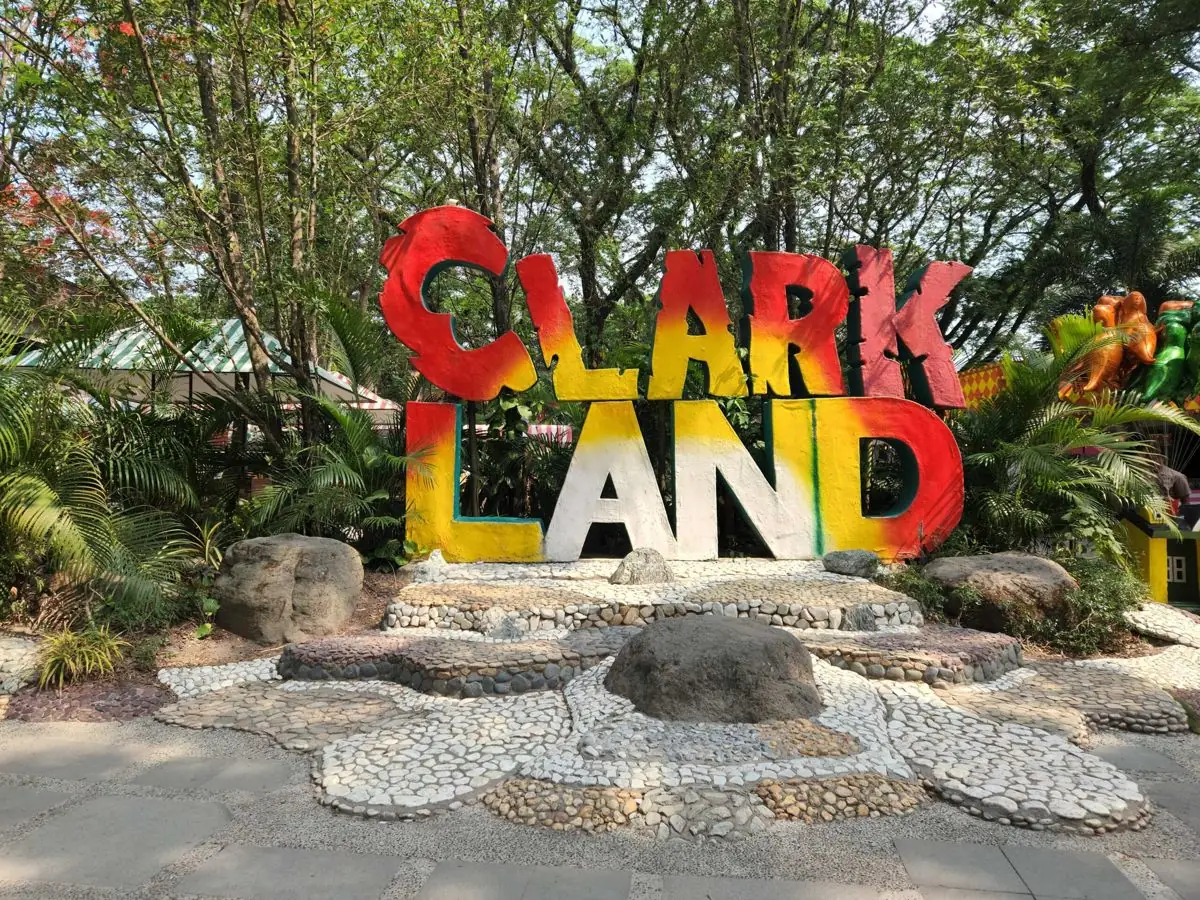
The former Clark Air Base is now Clark Freeport Zone, containing a duty-free shopping area, a water park (Fontana), golf courses, and international hotels. The site also has the Clark Museum documenting the base's history from its establishment through the Pinatubo evacuation.

Mount Arayat National Park

The isolated volcano rising from the Central Luzon plain is visible from most of Pampanga. Its 1,026-meter summit, North Peak, rises on the northeast side of a breached crater, and trails lead up from San Juan Baño in Arayat and from Magalang. It was declared a national park in 1933. It is a day hike from Arayat town, accessible from San Fernando or Angeles by jeepney.

Candaba Swamp

A seasonal wetland in eastern Pampanga that floods when the Pampanga River overflows and dries out into farmland in the dry season. It is a sanctuary for migratory birds: in January 2008 a record 17,000 birds were counted there in 24 hours, and Candaba celebrates its visitors with the Ibon-Ebon ("birds and eggs") festival each February.

✦
Kapampangan Food Trail

For food, the barangays around San Fernando and Mexico municipality are worth exploring. Susie's Kitchen in San Fernando, Everybody's Cafe in Angeles, and the Aling Lucing sisig stand near the Angeles public market are well-documented starting points for Kapampangan cuisine.

Pampanga is a low plain of rice fields and fishponds between two mountains: Mount Pinatubo on the western edge, whose 1991 eruption reshaped the rivers and lowlands, and Mount Arayat, a single-cone stratovolcano rising 1,026 meters from the plain. A plant new to science, Pyrostria arayatensis, was described from Mount Arayat National Park in 2020, but the mountain's forest is under heavy deforestation pressure. In the east, the Candaba Swamp floods each rainy season and draws thousands of migratory ducks and other waterbirds.

Head of a Philippine duck
Photo: Ken Billington · CC BY-SA 3.0 · Wikimedia Commons
Philippine Duck
Anas luzonica
Least Concern
A large duck with a cinnamon head and a black crown and eye stripe, found only in the Philippines. Up to 10,000 were once recorded in the Candaba Swamp; hunting and the draining of wetlands caused steep declines from the 1970s, but the population now appears stable.
Field note: Do not hunt or disturb ducks on fishponds and marshes, especially in the March–November breeding season.
Philippine Cobra
Naja philippinensis
Near Threatened
A stocky, highly venomous spitting cobra of the northern Philippines, called ulupong in Tagalog. It averages about a meter long and lives in Central Luzon's farmland and grassland.
Field note: Keep well away from any cobra; some can spit venom up to three meters. Seek hospital care at once after a bite.
Meet all 65 Philippine animals in Hayop ng Pilipinas →
← All stories
Lugar · Clark

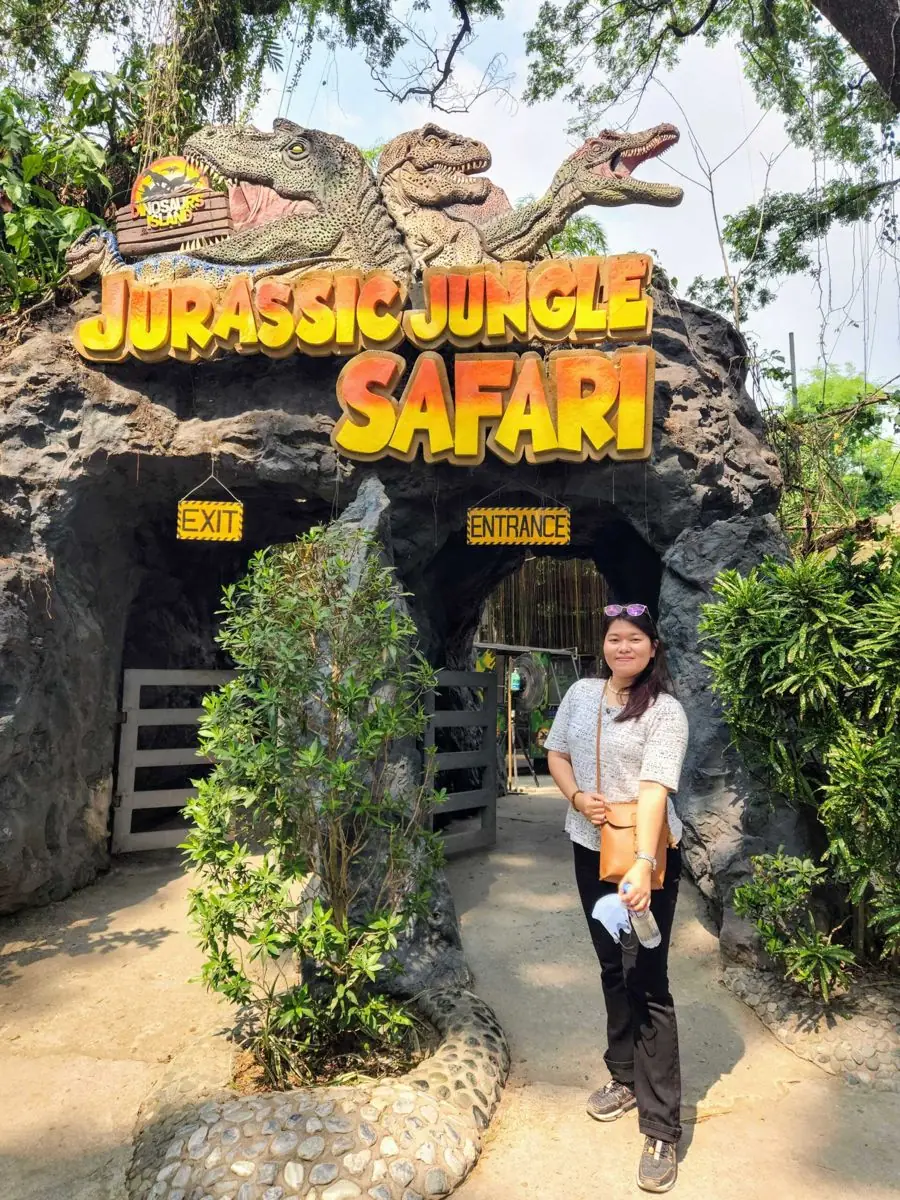
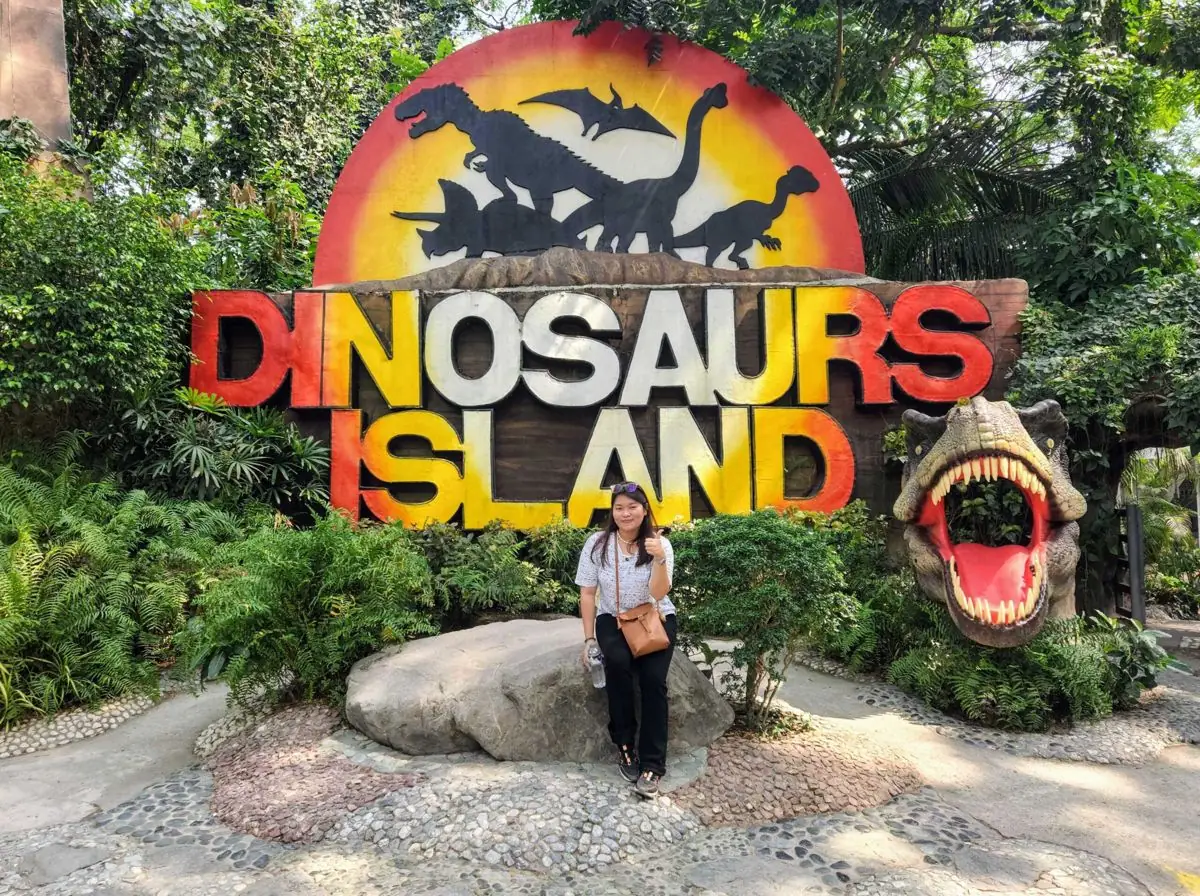
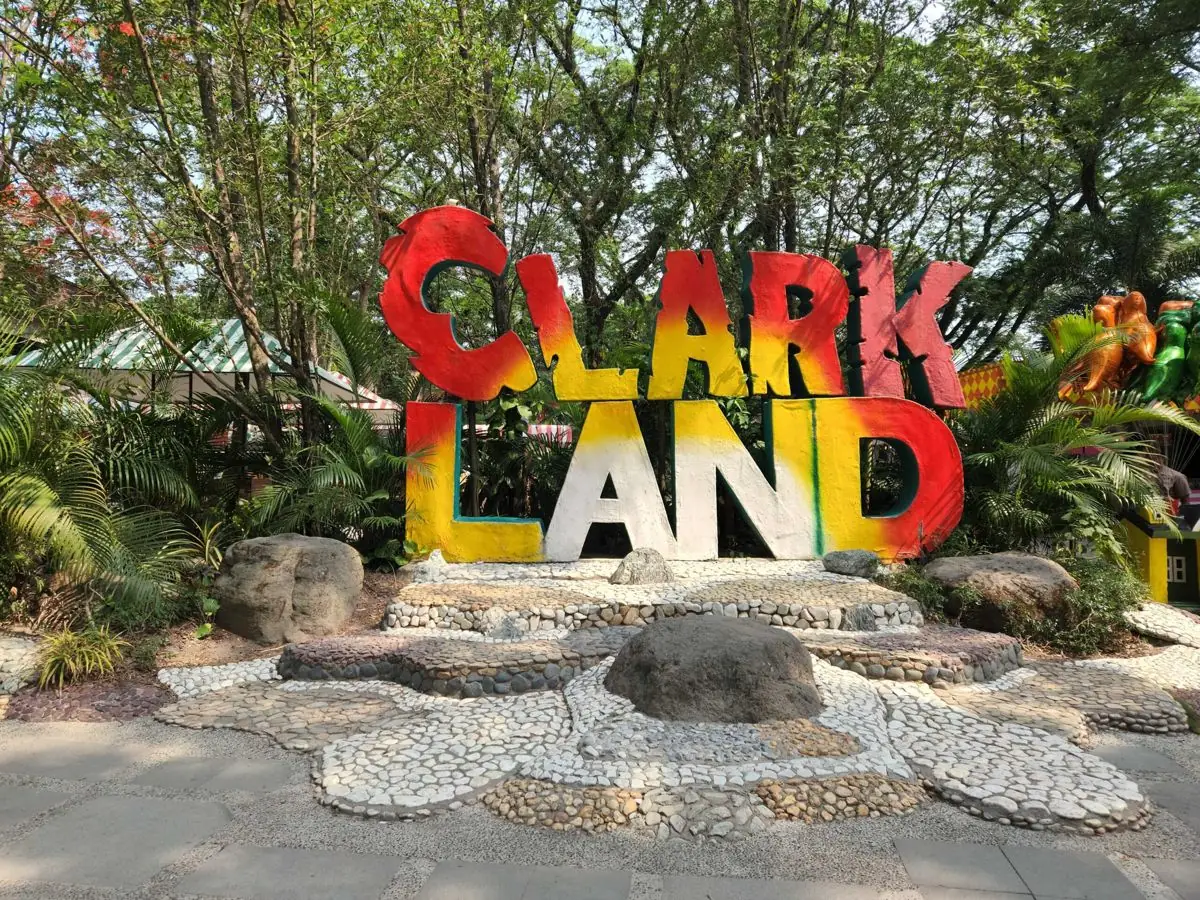
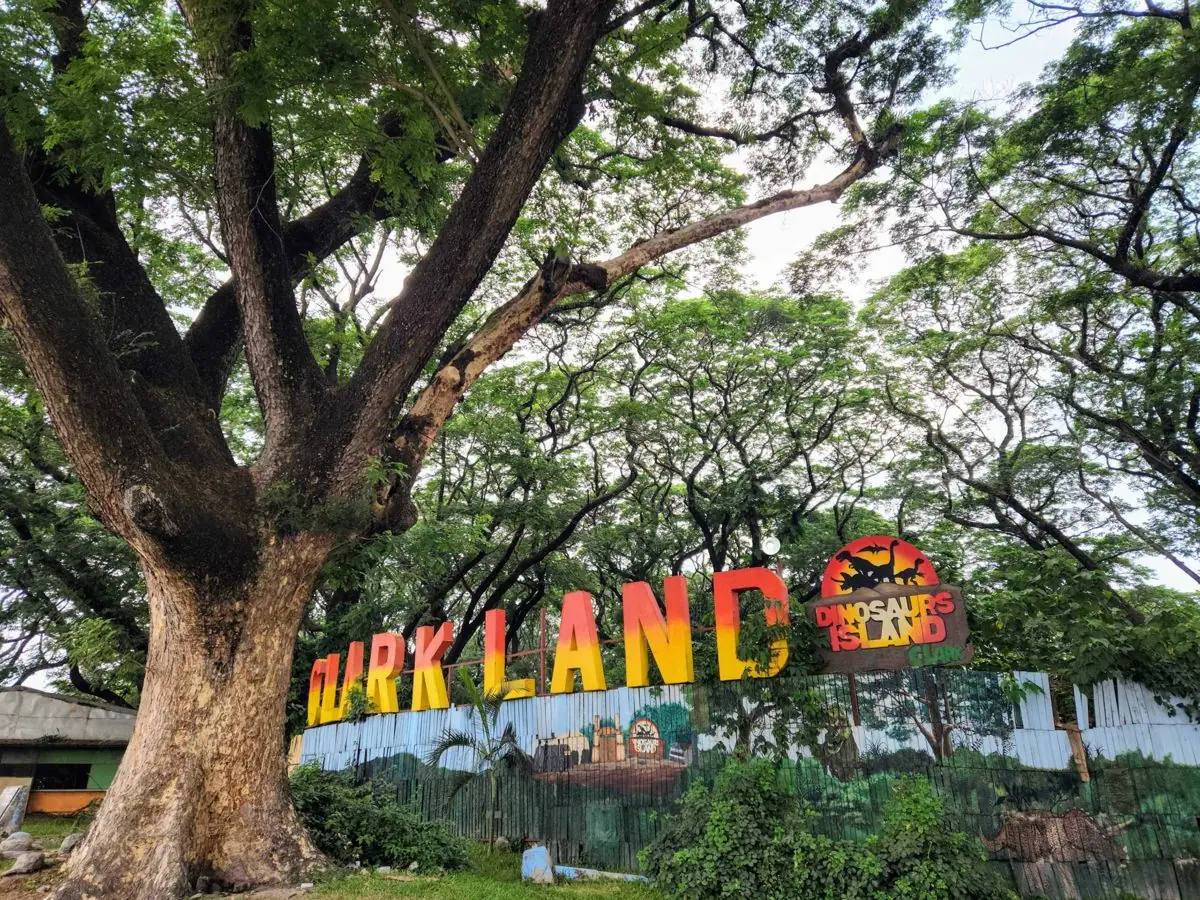
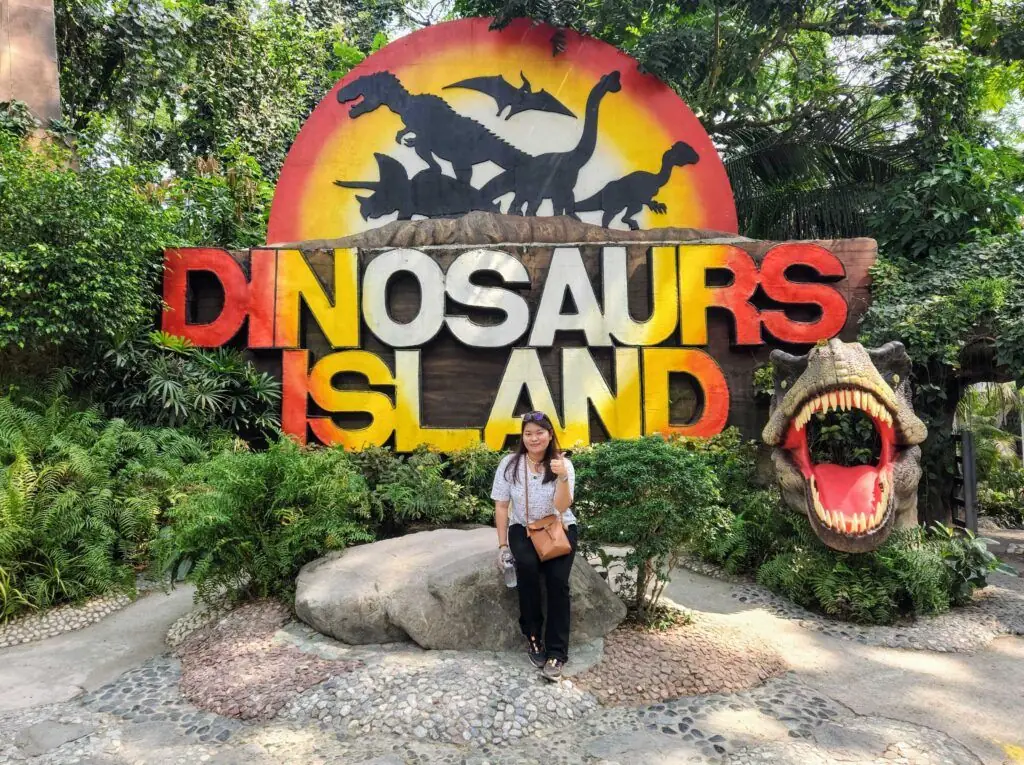
Dinosaur Island in Clark

Dinosaur Island, in Clark, Pampanga, brings the age of the dinosaurs to life. The park holds more than thirty life-sized animatronic dinosaurs along themed trails.

From the towering Brachiosaurus to the fearsome T-Rex, the giants move and roar as you walk among them. Interactive exhibits and displays make it an easy, fun way to learn about prehistoric life.

It is a good day out for families, and it sits near the New Clark developments, an easy stop for anyone passing through Pampanga.

Mga Larawan

The Lanterns of San Fernando

San Fernando's giant lanterns grew out of a religious custom. Some believe the Ligligan Parul began in 1908, when each barrio made a lantern of bamboo and other local materials for the lubenas, the processions of the nine-day novena before Christmas that ran alongside the simbang gabi from 16 to 24 December. Those lanterns measured about two feet across. Today's competition parols are about fifteen feet wide, lit by thousands of bulbs that switch in patterns, and the contest is held in mid-December. Because of it, San Fernando calls itself the Christmas Capital of the Philippines.

Sources · updated 4 October 2026
Photo credits (2)

Photos from Wikimedia Commons, used under the licences shown; some were resized. All photo credits