Nueva Ecija sits at the center of Central Luzon, flanked by mountain ranges on three sides and open to the Luzon plain on its southern edge. It produces more rice than any other province in the Philippines, a fact that has defined its economy, its landscape, and its politics for over a century. The flat expanse of paddies stretching from the Sierra Madre foothills to the Caraballo Mountains is one of the most productive agricultural zones in Southeast Asia.
Palayan CityCapital
5,284 km²Area
27 municipalities, 5 citiesMunicipalities
LuzonIsland Group
Central Luzon (III)Region
The Granary Province
The title 'Rice Granary of the Philippines' is not promotional language—it describes an economic reality. Nueva Ecija's lowlands are irrigated by an extensive network drawing from Pantabangan Dam, Magat Dam, and smaller rivers feeding off the surrounding ranges. The province grows two to three crops per year across most of its agricultural land. Cabanatuan City, San Jose City, and Muñoz host the commercial and research infrastructure that supports this output.
★
PhilRice is HereThe Philippine Rice Research Institute (PhilRice) is headquartered in Muñoz, Nueva Ecija. It develops the rice varieties that farmers plant across the country and runs trials on climate-adapted strains.
Pantabangan Dam and its reservoir are visible from parts of the Sierra Madre highway. The dam was completed in 1977 and submerged the original town of Pantabangan, relocating its residents before the water rose. The lake is now a recreation site and the dam supplies irrigation and hydroelectric power to Central Luzon.
The interior of Luzon was colonized later than the coasts. Nueva Ecija was formally organized as a province in 1707, carved from the territories that later became Pampanga and Bulacan. Its lowland character made it suitable for rice agriculture, and the encomienda system brought Tagalog and Kapampangan migrants northward to work the land alongside indigenous Remontado communities in the hills.
1707Province Established
Nueva Ecija formally organized as a Spanish province under the Augustinians, drawing settlers into the Central Luzon plain.
1896–1898Katipunan Activity
Nueva Ecija was an active front during the Philippine Revolution. The province contributed fighters and leaders to the Katipunan and witnessed battles as Spanish forces attempted to suppress the uprising in Central Luzon.
1942–1945Japanese Occupation and Huk Resistance
Japanese forces used Nueva Ecija's rice to supply their war effort. The Hukbalahap (Huk) guerrilla movement was born here—peasant fighters organized by the Communist Party who resisted Japanese occupation and later turned against the Philippine government in a postwar insurgency.
1977Pantabangan Dam Completed
The dam's completion created a large reservoir and transformed irrigation across the province but displaced thousands of residents from the old town of Pantabangan.
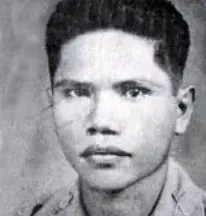
Luis Taruc
Huk Commander1913–2005Born in Masantol, Pampanga, Taruc led the Hukbalahap guerrillas in Central Luzon and was headquartered for years in the Nueva Ecija wilderness. He surrendered to Ramon Magsaysay in 1954, ending the Huk Rebellion. He later served as a political advisor and wrote a memoir of his time in the mountains.
Nueva Ecija's population is ethnolinguistically mixed. Tagalog is the dominant language, but Ilocano, Kapampangan, and Pangasinan speakers are present in significant numbers, reflecting generations of migration into the agricultural lowlands. This mix has produced a practical, commercially oriented culture centered on farming cycles.
Harvest Festivals and Agrarian Life
The Pista ng Kaarawan ng Lalawigan (provincial anniversary festival) is held annually in Palayan City. Many municipalities celebrate patron saint festivals linked to the agricultural calendar—planting and harvest seasons structure community life in ways that urban Filipinos do not always recognize. The carabao remains a symbol of Nueva Ecija even as mechanized farming has become dominant.
★
Cabanatuan POW CampCabanatuan City was the site of a major Japanese prisoner-of-war camp during World War II where thousands of American and Filipino prisoners died. In January 1945, U.S. Army Rangers and Filipino guerrillas conducted the Cabanatuan Raid, rescuing over 500 surviving prisoners in one of the most successful rescue operations of the war.
The province has a strong tradition of agrarian activism. Land reform has been contested here since the Spanish period, and Nueva Ecija farmers organized into unions and cooperatives long before these were fashionable concepts. That tradition persists in the cooperative farming networks that manage irrigation schedules and market access.
See the great festivals in Pista ng Pilipinas →
Rice is the starting point of every meal and the source of several preparations unique to Central Luzon. Nueva Ecija's food reflects its agricultural character—straightforward, filling, and built from what is grown locally. Freshwater fish from rivers and fish ponds supplement a diet heavy in pork and vegetables.
Sinangag na Bagoong
Fried rice mixed with shrimp paste (bagoong alamang), a staple breakfast in farm households. The saltiness of the bagoong seasons the rice without the need for additional condiments. Often eaten with fried daing na bangus (dried milkfish) or fried egg.
Pinaputok na Tilapia
Whole tilapia stuffed with tomatoes, onions, ginger, and chili, wrapped in banana leaf and grilled or steamed. The fish cooks in its own steam and absorbs the aromatics. Tilapia are farmed extensively in Nueva Ecija's fish ponds.
10 minutes (puto requires overnight soaking)Prep
25 minutesCook
4Serves
Ingredients
- 4 tabletstablea (cacao tablets)
- 4 cupswater
- 2 tbsp, or to tastesugar
- 2 cups, soaked overnightground rice (galapong)
- 1 tspbaking powder
- 1/4 tspsalt
Method
- For the tablea drink: dissolve tablets in 4 cups simmering water, stirring constantly. Sweeten to taste.
- For the puto: drain soaked rice and grind or blend to a smooth batter.
- Mix in baking powder, salt, and 1 tbsp sugar. Rest 10 minutes.
- Pour into greased molds and steam over high heat for 15–18 minutes until a toothpick comes out clean.
- Serve puto alongside hot tablea.
Cook's noteTablea is made from roasted and ground cacao nibs pressed into tablets. It produces a chocolate drink that is less sweet and more bitter than commercial cocoa powder. Adjust sugar cautiously.
Tagalog is the primary language of Nueva Ecija, used in schools, government, commerce, and most domestic settings. However, Ilocano is widely spoken in northern municipalities settled by migrants from the Ilocos region, and Kapampangan is heard in communities along the province's western boundary with Pampanga.
TagalogPrimary
Ilocano, Kapampangan, PangasinanAlso spoken
Filipino, EnglishOfficial
The linguistic diversity of Nueva Ecija reflects its history as a destination for agricultural migrants. Ilocano farmers moved south during the American colonial period when the government opened Central Luzon lands for settlement. Their descendants often speak both Ilocano and Tagalog fluently. This multilingualism is pragmatic rather than cultural pride—it is what farming communities need to do business across a mixed-language marketplace.
★
Nueva Ecija TagalogThe Tagalog spoken in Nueva Ecija has absorbed vocabulary from Ilocano and Kapampangan over generations. Linguists note that Central Luzon Tagalog dialects differ from Metro Manila Tagalog in vocabulary and rhythm, though mutual intelligibility is high.