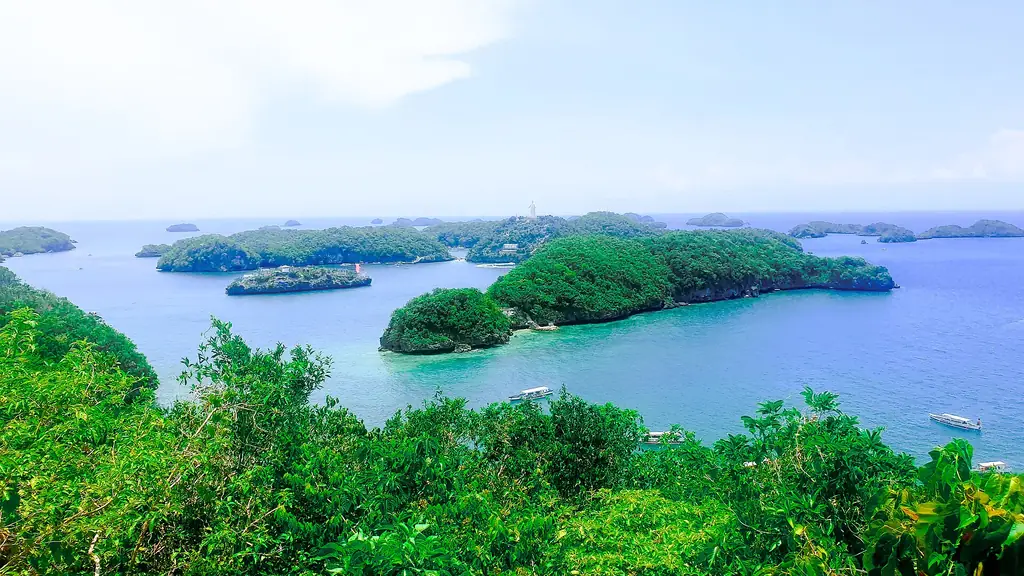
Pangasinan is the largest province in the Ilocos Region and the third most populous in the Philippines. It occupies the western coast of Luzon facing the Lingayen Gulf, with lowland agricultural plains that feed into an interior of hills and rivers. Bangus (milkfish) farming is a pillar of its economy, and Dagupan calls itself the Bangus Capital of the Philippines. The Hundred Islands National Park, an archipelago of 124 islands and islets at low tide in Lingayen Gulf, was the country's first national park.
The Bangus Province
Bonuan in Dagupan City is the center of the Philippines' milkfish aquaculture industry. Dagupan bangus, raised in fish pens, cages and brackish ponds fed by tidal waters, is prized across the country; from 2001 to 2003 the city produced about 35,560 tons of milkfish, roughly a sixth of the province's harvest. The bangus industry employs thousands and shapes the economy, landscape, and food culture of coastal Pangasinan.
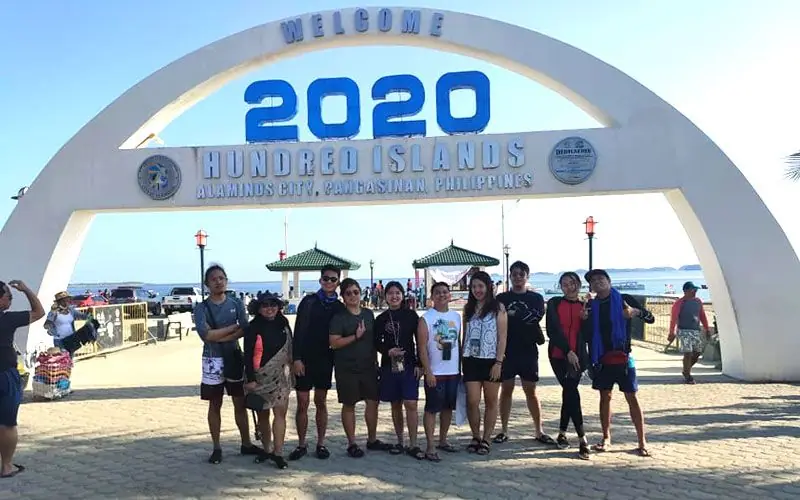
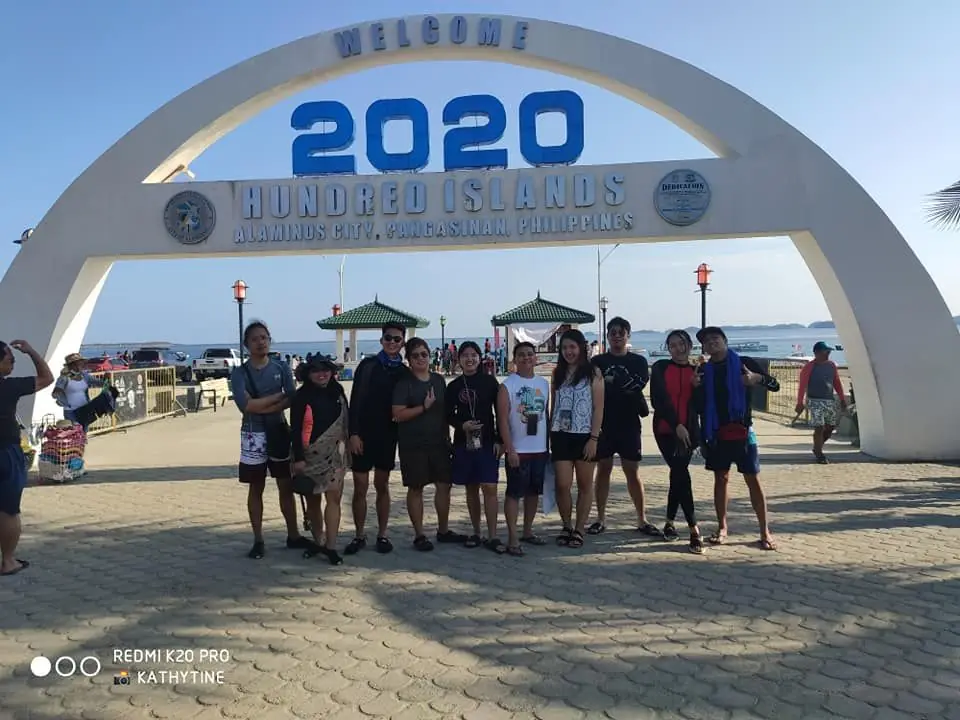
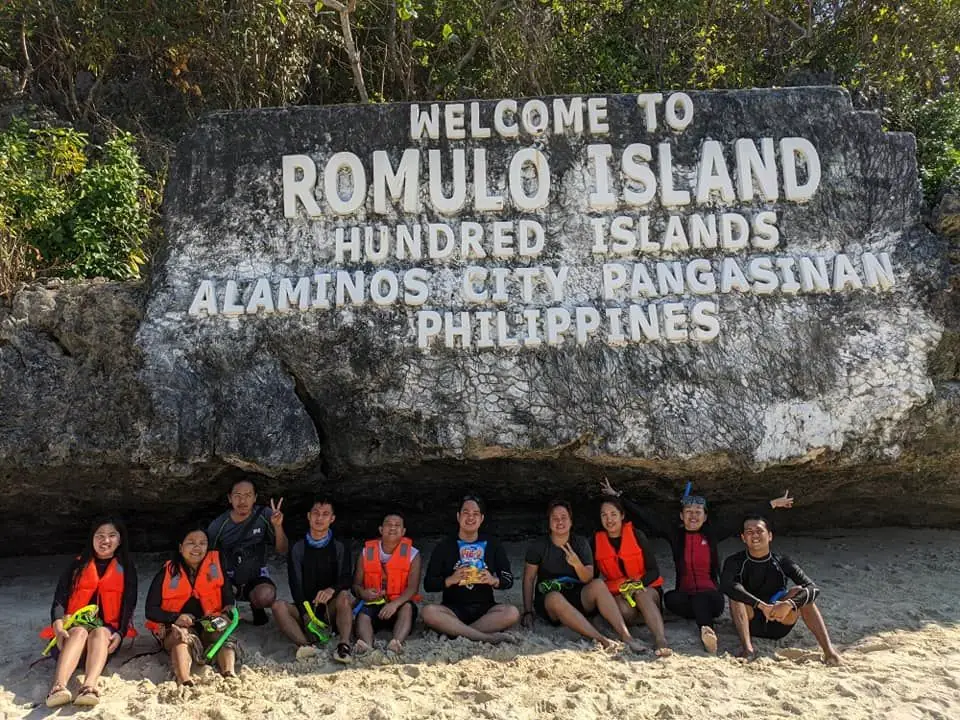
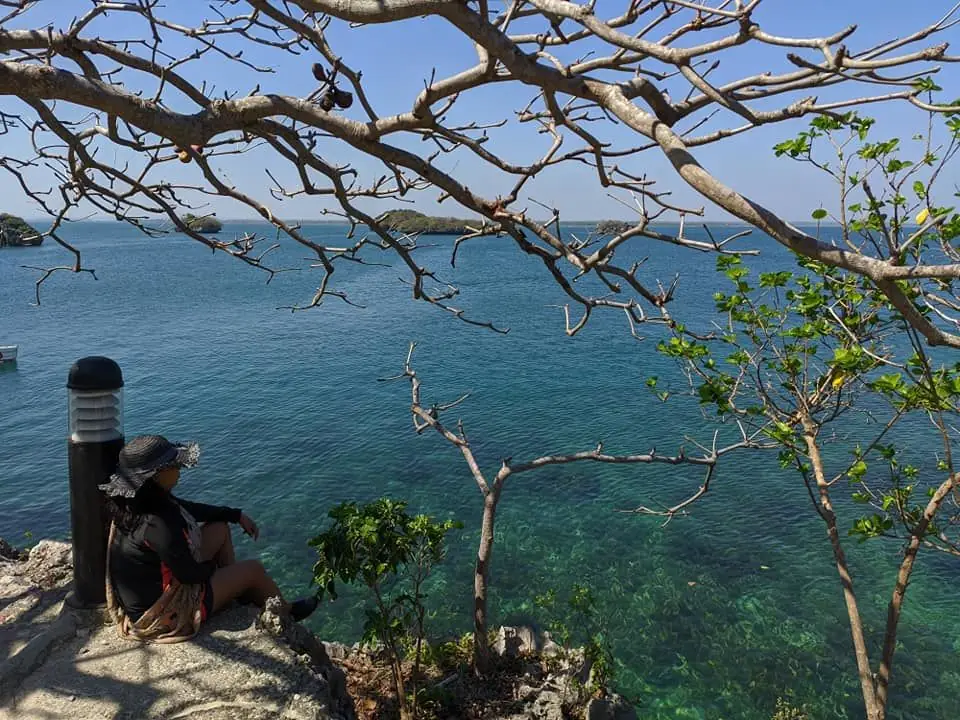
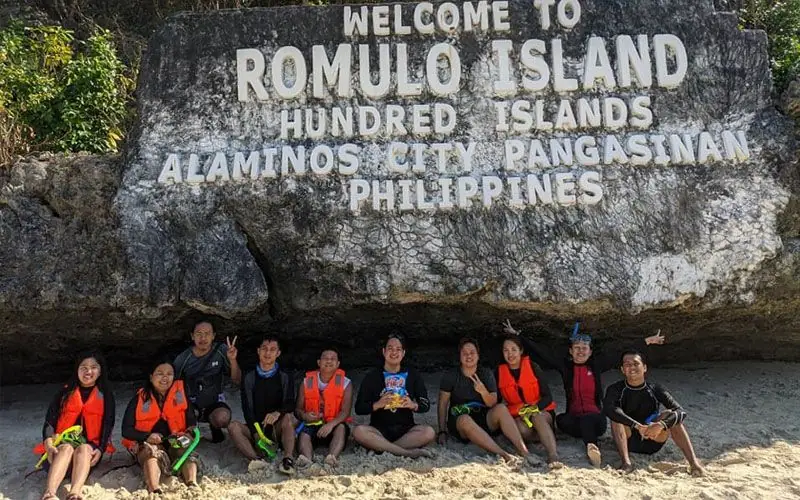
Hundred Islands National Park has 124 islands at low tide and 123 at high tide, spread over 16.76 square kilometers of Lingayen Gulf. Only four have been developed for visitors: Quezon Island (the most developed), Governor Island, Children's Island and Pilgrimage Island. President Manuel L. Quezon proclaimed it on 18 January 1940, making it the first national park in the Philippines.
The 2024 census counted 3,188,540 people in Pangasinan, making it the third most populous province in the Philippines. It has 44 municipalities and four cities: San Carlos, the most populous, Urdaneta and Alaminos, and Dagupan, an independent component city. Lingayen, on the gulf, is the capital. The province covers 5,451 square kilometers along Lingayen Gulf and the West Philippine Sea, about 170 kilometers north of Manila. Its name means "place where salt is made", and it is still a major producer of salt and bagoong. Pangasinan is the official provincial language and the first language of about 55 percent of households, with Ilocano at 44 percent and Bolinao at 1 percent.