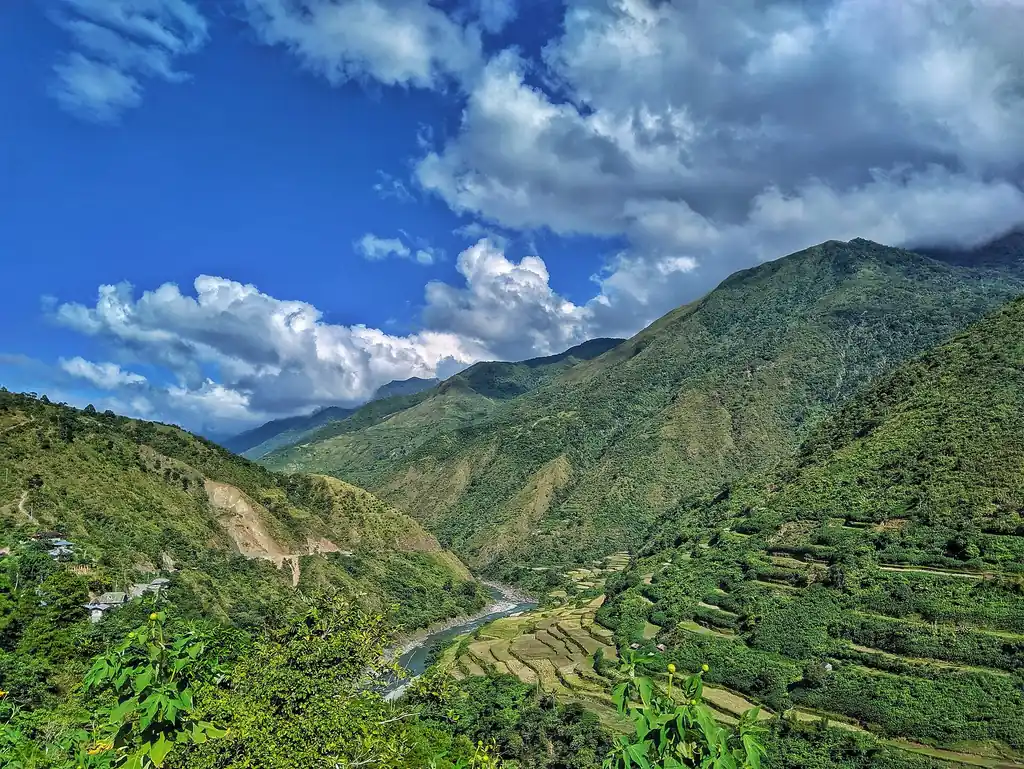
Kalinga sits in the northern Cordillera mountains of Luzon, a province of steep valleys, rushing rivers, and warrior traditions that the Spanish never managed to overcome. The name comes from the Ibanag and Gaddang word kalinga, meaning 'enemy', 'fighter' or 'headtaker', a label that the Kalinga people have since owned as a marker of their independence and resistance.
Tabuk City lies in the Chico River valley, the most accessible part of Kalinga and the one that has seen the most lowland influence. The city is the provincial center and a staging point for travel into the mountain communities of Tinglayan, Lubuagan, and the other interior municipalities where traditional Kalinga culture is most intact.
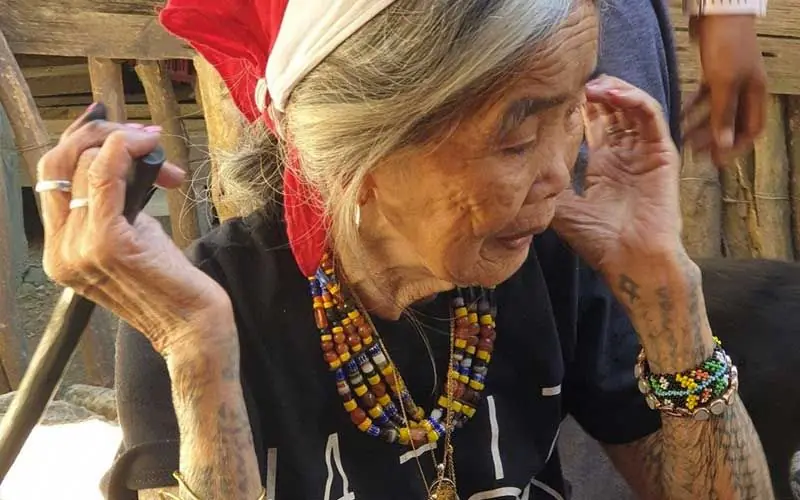
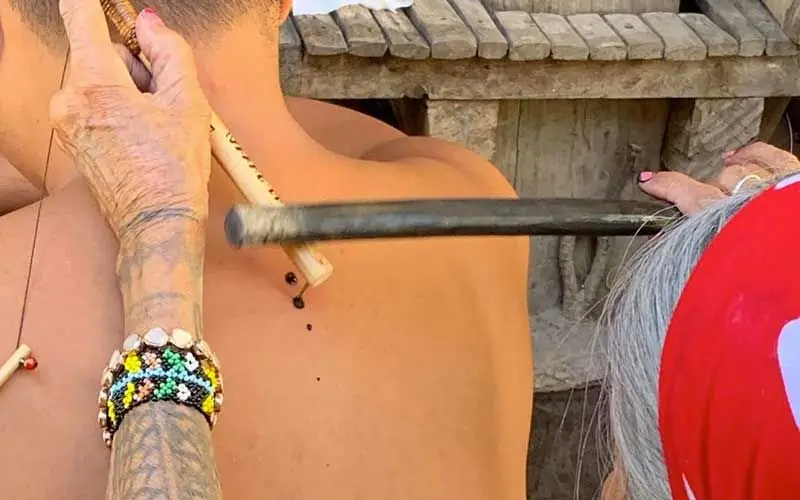
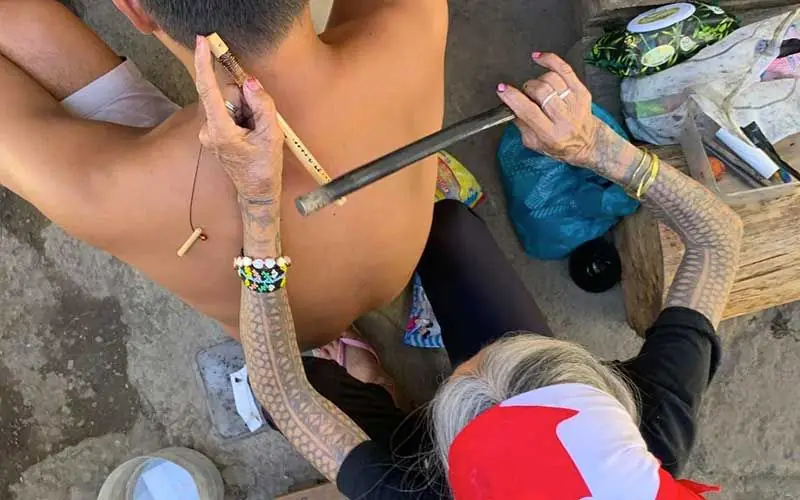
Whang-od Oggay of Buscalan village, born on 17 February 1917, is the oldest practitioner of batok, traditional Kalinga hand-tapped tattooing, and is often described as the last mambabatok of the old tradition, which once marked warriors and their victories. In 2023 she became the oldest person ever on a Vogue cover. Her fame has made Buscalan one of the most visited destinations in the Cordillera, drawing visitors from across the world for a tattoo applied with a citrus thorn and a bamboo handle.
The Kalinga people maintained their independence through a system of inter-village peace pacts called bodong — a sophisticated network of alliances and conflict-resolution protocols that governed relations between villages in the absence of a central state. The bodong is still practiced today and is considered one of the more remarkable indigenous legal systems in Southeast Asia.
The 2024 census counted 235,391 people in Kalinga, a landlocked province of 3,231 square kilometers in the Cordillera Administrative Region. Tabuk, its capital and only city, lies in the Chico River valley; the other seven towns are municipalities. Kalinga borders Mountain Province to the south, Abra to the west, Isabela to the east, Cagayan to the northeast and Apayao to the north, and its highest point is Mount Alchan. The lowlands around Tabuk are open grassland and rice land, while the western highlands are covered in rainforest and pine. The name comes from the Ibanag and Gaddang word kalinga, meaning "enemy", "fighter" or "headtaker".