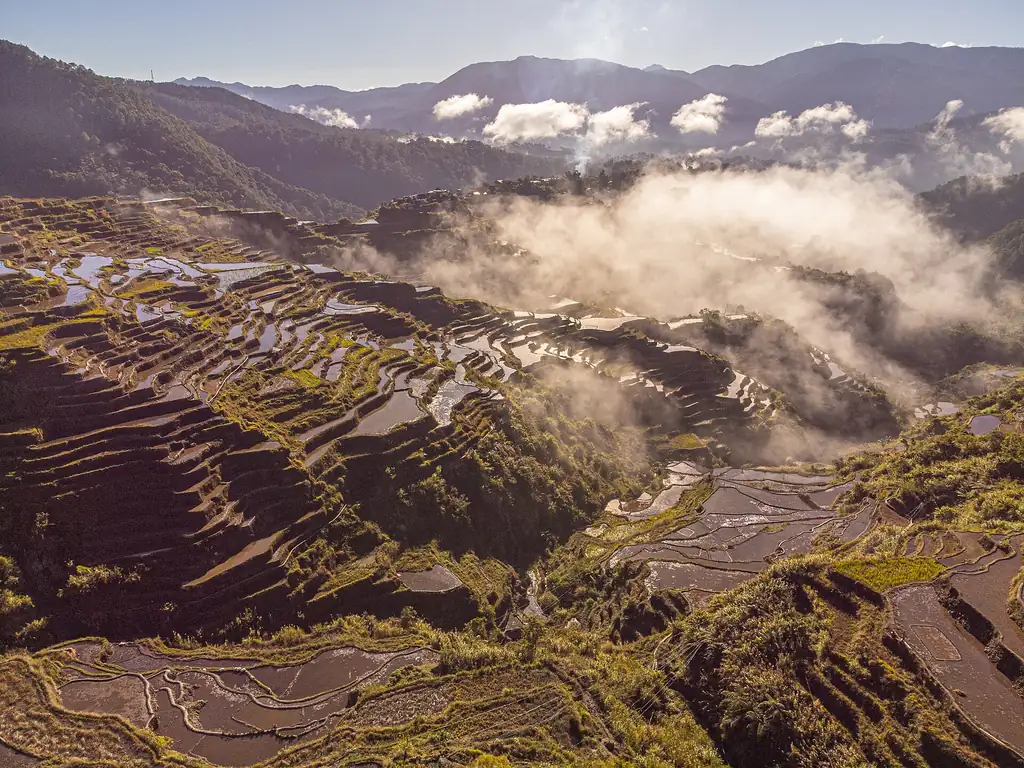
Stone-walled Maligcong rice terraces and mountains from above, near Bontoc
Photo: Bien02 · CC BY 4.0 · Wikimedia Commons
Map

Mountain Province

Cordillera Administrative Region
Luzon
Capital Bontoc
Population (2024) 149,775
Area 2,157 km²
Municipalities 10
Cities 0
Island Group Luzon
Languages Bontoc, Kankanaey, Ilocano

Population: 2024 census (PSA). Area: land area.

Kapitbahay — Neighboring Provinces

Mountain Province sits at the heart of the Cordillera Administrative Region in northern Luzon. Its capital, Bontoc, is the traditional home of the Bontoc Igorot — one of the highland peoples whose warrior culture and distinctive cultural practices became known to the outside world during the American colonial period. The province is also the location of rice terraces complementary to the more famous Banaue terraces of Ifugao, and the Chico River carves its way through the highland valleys.

BontocCapital
2,157 km²Area
10Municipalities
LuzonIsland Group
Cordillera Administrative Region (CAR)Region

The province is predominantly upland terrain, with the Cordillera mountain ranges creating valleys, gorges, and isolated agricultural terraces. Elevations range from low river valleys to peaks above 2,000 meters. The climate is cooler than the Philippine lowland average, with cold nights and frequent mist in the upper elevations.

★
Rice Terraces of the Philippine Cordilleras

Mountain Province has its own rice terraces, in Maligcong, Bontoc, Sagada, and other municipalities. They are not part of the UNESCO World Heritage Site, the Rice Terraces of the Philippine Cordilleras (1995), whose five clusters are all in neighboring Ifugao, but they are farmed the same way and are among the most striking in the Cordillera.

The Chico River rises on Mount Data at the southern edge of the province and flows north through Bontoc and on into Kalinga. The river and its tributaries are the lifelines of the highland communities along its banks. An attempted dam project on the Chico River in the 1970s became one of the most significant indigenous peoples' resistance movements in Philippine history.

The 2024 census counted 149,775 people in Mountain Province, a landlocked province of 2,157 square kilometers. Bontoc is the capital and Bauko the largest municipality, among ten towns in all. It borders Kalinga to the north, Isabela to the east, Ifugao to the south, Benguet to the southwest, Ilocos Sur to the west and Abra to the northwest, and its highest point is Mount Amuyao. The name once belonged to a much larger province created in 1908, which in 1966 was split into Mountain Province, Benguet, Ifugao and Kalinga-Apayao. The main peoples are the Bontoc, the Kankanaey, including the Applai of Sagada and Besao, and the Balangao.
The peoples of Mountain Province, the Bontoc, Kankanaey, Balangao and others, resisted Spanish colonization for centuries. The Cordillera mountains provided natural defense, and Spanish expeditions from 1566 to 1665 failed. Only in the 19th century did Spain set up military commands in the region, including Bontoc in 1859, and much of the interior stayed under its own customary rule until the American period.

1566–1785

Spanish Expeditions

Spanish expeditions sent into the Cordillera from 1566 to 1665 failed to subdue it, defeated by rugged terrain and determined resistance. The first serious campaign came in 1785, when soldiers from Cagayan were sent against a Kalinga revolt; Guillermo Galvez later led more than 40 forays into the mountains.

1859

Comandancia of Bontoc

The Spanish organized the region they called La Montañosa into politico-military commands, and the Comandancia of Bontoc was established in 1859.

1904

St. Louis World's Fair

More than a thousand Filipinos, among them Bontoc Igorot, were taken to the Louisiana Purchase Exposition in St. Louis and displayed in the Philippine Reservation as "primitive" peoples, to justify American rule. The episode remains a painful memory.

18 August 1908

Mountain Province Created

The Philippine Commission's Act No. 1876 created the old Mountain Province, joining Amburayan, Apayao, Benguet, Bontoc, Ifugao, Kalinga and Lepanto as sub-provinces, with Bontoc as its capital.

18 June 1966

Present Province

Republic Act No. 4695 split the old Mountain Province into four. The present Mountain Province kept the name, made up of the old sub-provinces of Bontoc and part of Lepanto.

1974–1980s

Chico River Dam Resistance

The Marcos government's plan for four dams on the Chico River would have flooded Bontoc, Bauko, Sabangan, Sagada, Sadanga and parts of Barlig as well as Kalinga towns. Bontoc and Kalinga communities resisted, and after the murder of Kalinga leader Macli-ing Dulag on 24 April 1980, the project was shelved.

The Bontoc Igorot were known to the Spanish — who never conquered them — and to the Americans — who studied them extensively — as fierce warriors. Headhunting was practiced as part of the traditional justice and social order system until the early 20th century. The warrior tradition has transitioned into a cultural identity expressed through dance, tattoo practice (called chaklag), and the maintenance of the ato (men's house) as a community institution.

The Ato

The ato is the traditional institution of Bontoc community governance — a communal space where male community members gather for decision-making, dispute resolution, and social bonding. Each village has an ato, and political affairs are handled through discussion and consensus at the ato rather than through formal elected positions alone. The ato system continues to operate alongside the national government structure.

MD

Macli-ing Dulag

Kalinga chieftain and resistance leaderc. 1930–1980

Though a Butbut leader from Bugnay in neighboring Kalinga rather than Mountain Province proper, Macli-ing Dulag is the defining figure of the Chico River Dam resistance that involved both provinces. His statement — 'Land is life; land is not for sale' — became a rallying call for indigenous land rights movements across the Philippines. He was killed by soldiers on 24 April 1980, and the public outrage that followed helped shelve the dams.

★
Bontoc at the 1904 World's Fair

More than a thousand Filipinos, including Bontoc Igorot, were brought to the St. Louis World's Fair of 1904 as part of the Philippines Reservation exhibit. The display was intended to justify American colonialism by showing Filipino peoples as needing 'civilization.' Several of the exhibitors died during the fair. The episode is still remembered and debated in the Cordillera today.

See the great festivals in Pista ng Pilipinas →

Mountain Province food reflects highland agriculture and the cool climate. Root crops — sweet potato (camote), taro (gabi), and cassava — are staples alongside rice. Vegetables grown in the mountain garden plots are diverse: cabbage, sayote (chayote), beans, and various highland greens. Pork and dog meat have traditional roles in ceremonial contexts. Freshwater fish from the Chico River supplement the diet.

Pinikpikan

A Cordillera ritual dish made from chicken that has been beaten with a stick before slaughtering — a practice with roots in Igorot sacrificial ritual. The bruising changes the texture and flavor of the meat. The chicken is then singed over fire and boiled with etag (smoked salted pork) and chili. Pinikpikan is a ceremonial food now also served to tourists; the ritual context varies.

Etag

Igorot preserved pork — meat salted and smoked over wood, sometimes for extended periods. The resulting etag is intensely salty, smoky, and pungent. It is used as a flavoring agent in soups and stews rather than eaten on its own. The production of etag is tied to pig sacrifice at rituals and life events.

Kape Cordillera (Mountain Coffee Preparation)

Mountain Province / Cordillera
5 minutesPrep
10 minutesCook
2Serves
Ingredients
  • 30g, freshly ground medium-coarseArabica coffee beans (Benguet or Sagada)
  • 400mlWater
  • to tasteBrown sugar (optional)
Method
  1. Bring water to just below boiling (about 92°C).
  2. Place ground coffee in a clean cloth filter or pour-over dripper.
  3. Pour water slowly over the grounds, allowing it to bloom for 30 seconds on the first pour.
  4. Continue pouring in slow circles until all water has passed through.
  5. Serve black or with a small amount of brown sugar. No milk is traditional.
Cook's note

Cordillera Arabica coffee — grown in Benguet, Sagada, and Mountain Province — is among the finest Philippine coffee. It is earthy and clean with mild acidity. The high-altitude cultivation (above 1,200 meters) produces a bean that rewards simple preparation. Use it fresh; Cordillera coffee loses its character quickly after roasting.

Bontoc, with about 41,000 native speakers in 2007, is the primary language of the provincial capital area; Central Bontoc is spoken in Bontoc town and nearby villages such as Maligcong, Samoki and Guina-ang. Kankana-ey is spoken in the western municipalities of Mountain Province and shares speakers with Benguet province to the south. Both are Austronesian languages in the northern Cordilleran branch, distinct from the lowland Philippine languages.

Bontoc, Kankanaey, BalangaoMain languages
~41,000 (2007)Bontoc speakers
IlocanoLingua franca
Filipino, EnglishAlso used

The linguistic diversity of the Cordillera is significant: the mountain ranges separated communities enough that distinct languages developed across relatively small geographic areas. Bontoc and Kankana-ey are not mutually intelligible, and communication across language communities typically uses Ilocano — the regional lingua franca of northern Luzon — or Filipino.

★
Ilocano as a Cordillera Lingua Franca

Ilocano serves as the common language across much of the Cordillera Administrative Region despite not being native to the highland peoples. Its spread reflects the long economic and social relationship between highland and lowland communities in northern Luzon, with Ilocano lowlanders being the primary outside contact for most Cordillera groups.

English has high prestige in Mountain Province, partly because the American colonial administration focused educational investment in the Cordillera and partly because the region's tourism and NGO presence created demand for English communication. English is widely used in schools, churches and local government across the province.

Bontoc is reached from Baguio City by the 150-kilometer Halsema Highway, often called the highest highway in the Philippines, which tops out at a marked high point in Atok, Benguet. The drive takes about 5 to 6 hours. A side road branches off before Bontoc to Sagada, a common stopping point. The route is spectacular but requires careful driving.

~4–5 hours via Halsema HighwayFrom Baguio
~8–9 hours by road (via Baguio)From Manila
~850 metersElevation (Bontoc)
March to May (clearest skies)Best Season

Bontoc Museum

One of the most important ethnographic museums in the Cordillera, the Bontoc Museum documents Bontoc and Cordillera highland culture through photographs, artifacts, ritual objects, and textile collections. The collection of historic photographs from the American period is historically significant. Bontoc also holds two National Cultural Treasures: the Stone Agricultural Calendar of Bontoc and the Alab Petroglyphs, the oldest rock art in the Cordillera.

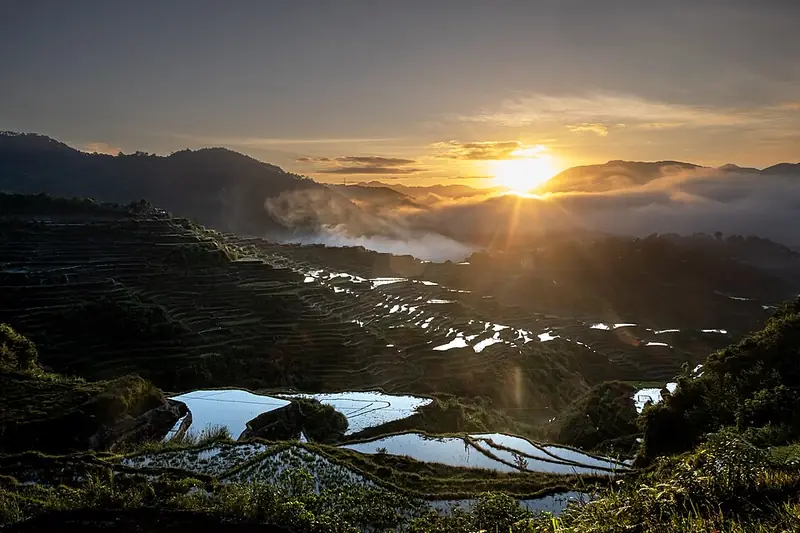
Sunrise over the flooded Maligcong rice terraces
Photo: FroyR · CC BY-SA 4.0 · Wikimedia Commons

Maligcong Rice Terraces

A short jeepney ride from Bontoc town, the Maligcong terraces are among the most accessible and visually impressive rice terraces in Mountain Province. Unlike the more touristed Banaue terraces in Ifugao, Maligcong receives relatively few visitors and retains the working landscape character of a living farming community.

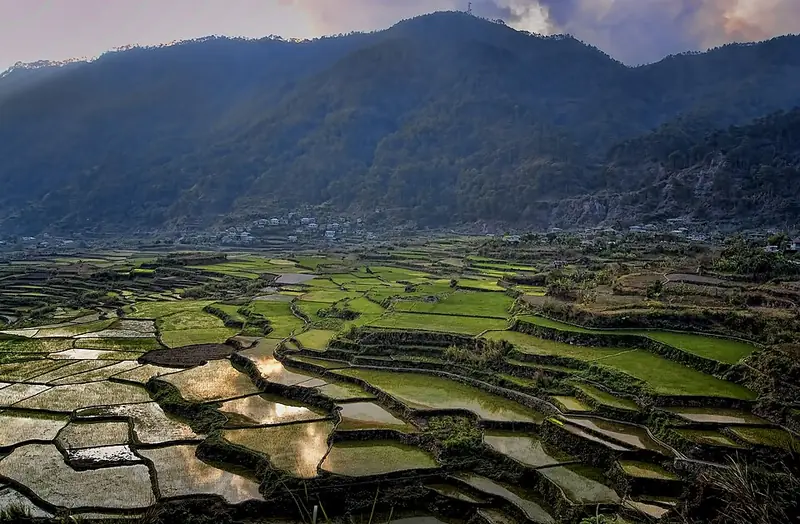
Rice terraces below the mountains of Sagada
Photo: Philip Nalangan · CC BY-SA 4.0 · Wikimedia Commons

Sagada

A municipality within Mountain Province that has become a major tourist destination on its own merits — hanging coffins, cave burials, trekking, and coffee. Sagada, home of the Applai, sits about an hour from Bontoc by a side road off the highway and is most travelers' first stop in the province; its elderly still carve their own coffins.

Chico River

The river that flows through Bontoc town and the length of the province. Swimming spots, riverside trails, and the visual drama of the river in its mountain gorge make it a natural draw. The river's history — the dam resistance of the 1970s — gives it political and cultural weight beyond its scenic value.

Mountain Province is the water tower of the northern Cordillera. Mount Data, on its border with Benguet along the Halsema Highway, rises to 2,310 meters, and its national park, declared in 1936 and expanded to 5,513 hectares in 1940, holds the headwaters of the Chico, Abra, Amburayan and Agno rivers, which water towns in Mountain Province, Benguet, Ifugao and far beyond. Its slopes carry pine and mossy oak forest. Mount Data has long drawn naturalists: the Englishman John Whitehead collected mammals and birds there in 1895, and the greater dwarf cloud rat and Whitehead's swiftlet were first found there. Farther east, Mount Amuyao on the Ifugao border is the province's highest peak. Lower down, the Chico runs past the Bontoc and Maligcong terraces, and Sagada's limestone hides caves used for burial.

Luzon Montane Forest Mouse
Apomys datae
Least Concern
A forest mouse found only in the Cordillera Central of Luzon and on the Ilocos Norte coast. Its scientific name honors Mount Data, where it was described in 1899.
Field note: Keep montane forest standing; mossy forest is its home and the source of the rivers.
Greater Dwarf Cloud Rat
Carpomys melanurus
Data Deficient
Also called the short-footed Luzon tree rat, this tree-dwelling rodent of northern Luzon's montane moss forest was first found on Mount Data in 1896. So little is known about it that the IUCN lists it as Data Deficient.
Field note: Sightings are valuable; report any to the DENR or a university researcher.
Meet all 65 Philippine animals in Hayop ng Pilipinas →
← All stories
Lugar · Sagada

Marlboro Hill at Sunrise

Sagada was a quiet town before the film That Thing Called Tadhana sent crowds looking for its sunrises. Seeing it on screen is one thing; standing on the hills at dawn is another.

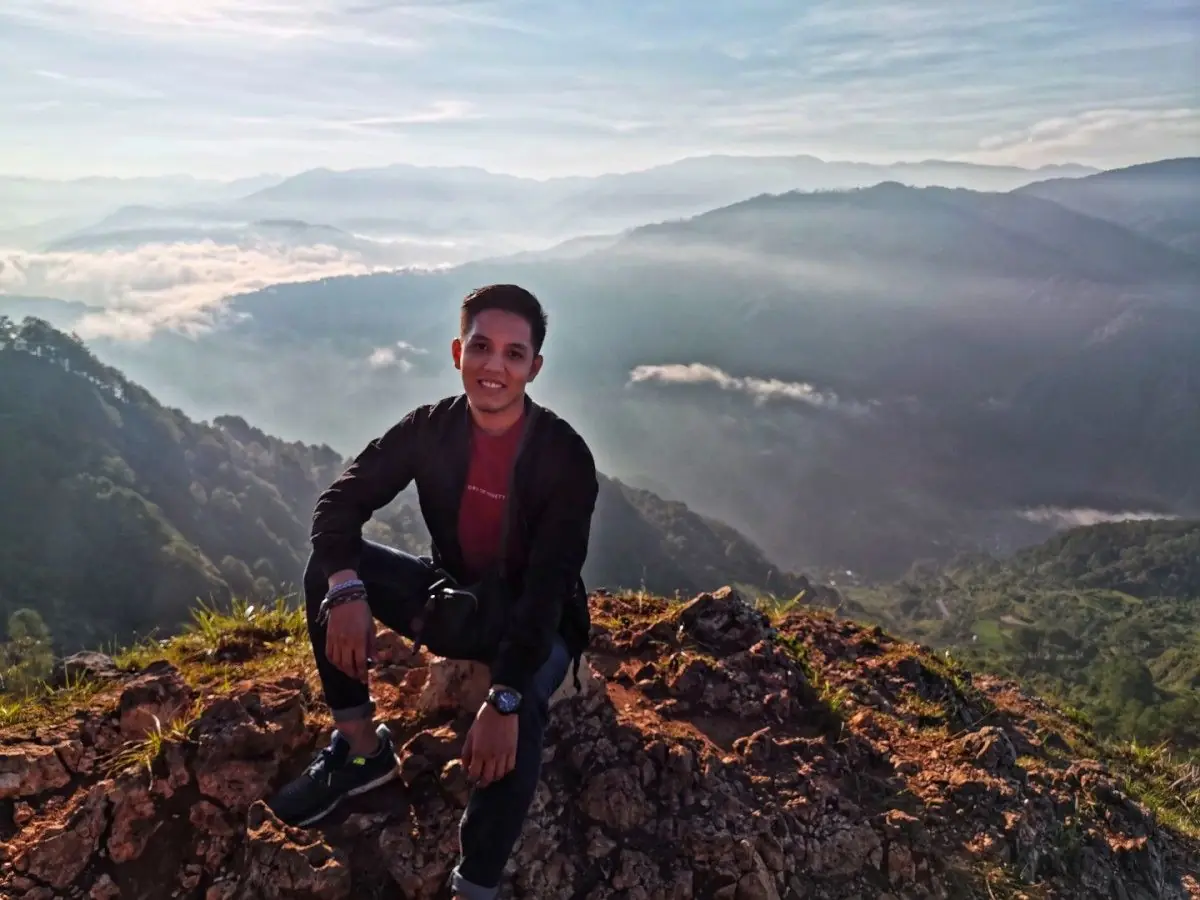
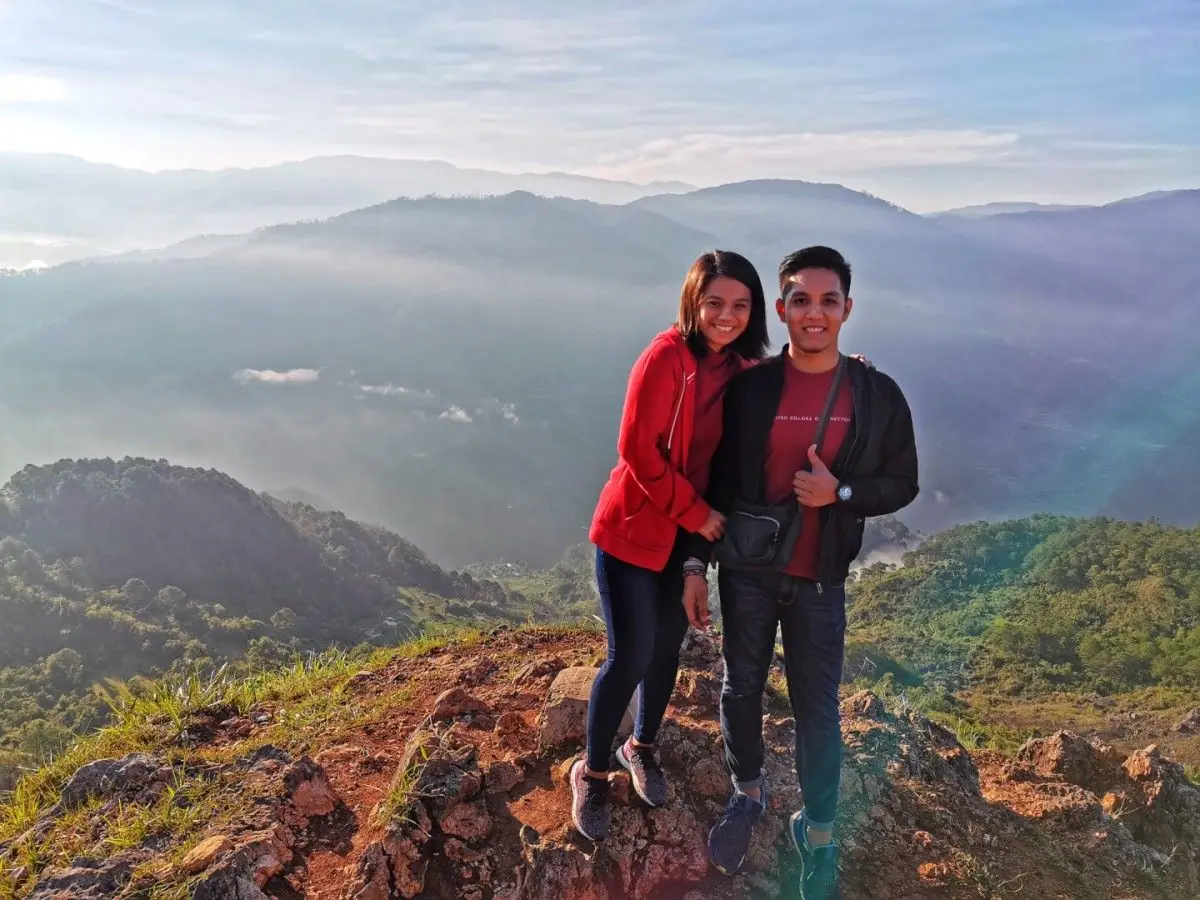
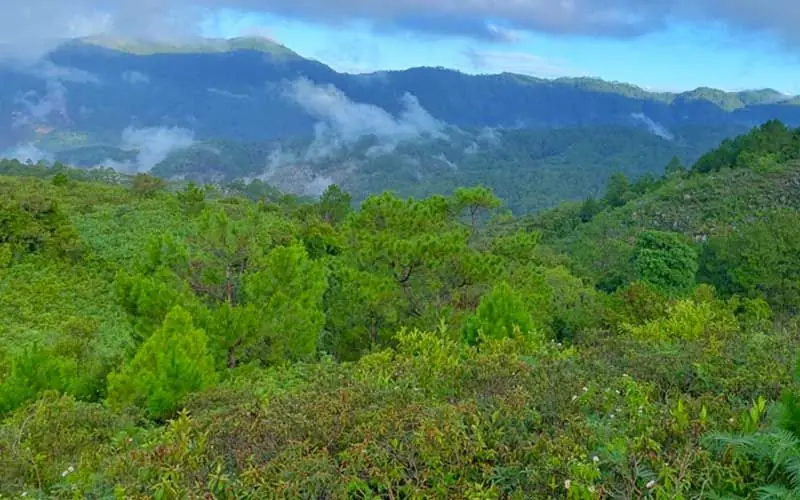
Marlboro Hill, a grassland ridge the locals call Marlboro Country, is one of the best places to meet the morning. The hike starts around three in the morning, in the dark and the cold, along a muddy, slippery path, an hour of endurance through mossy forest.

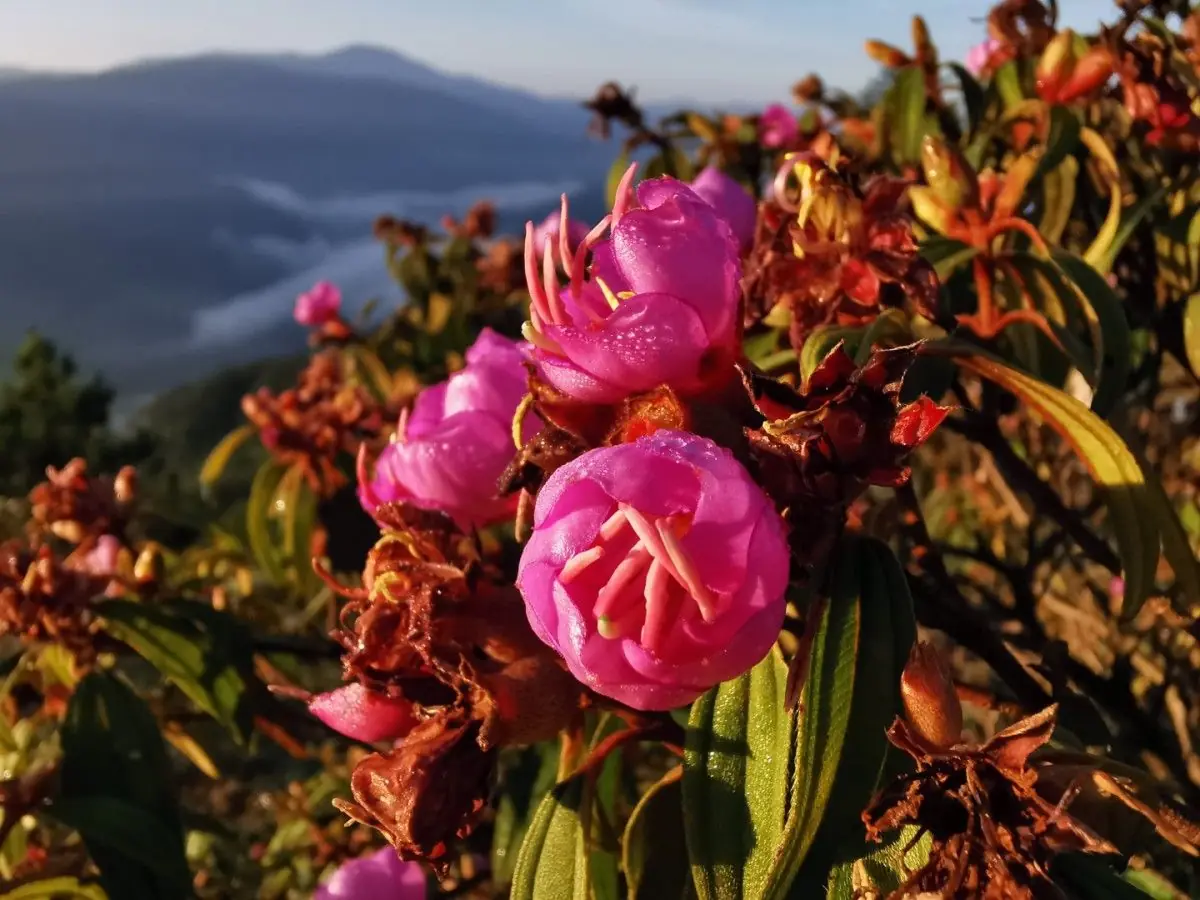
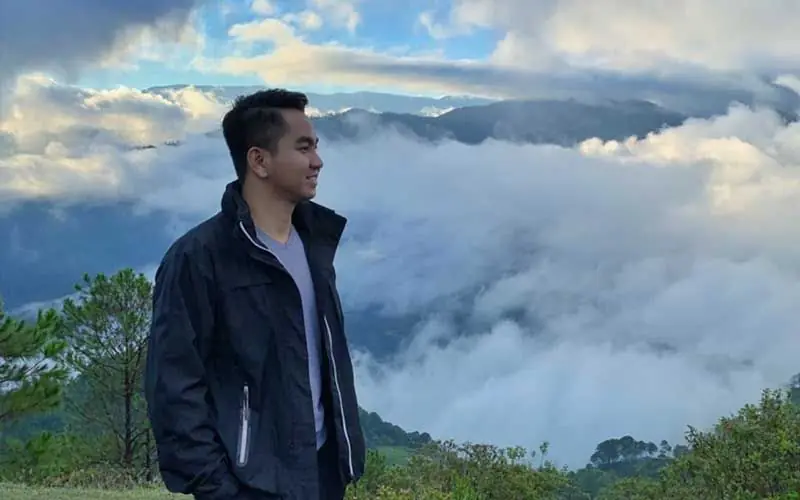
Then comes the summit, just before sunrise. A cold wind, clean air, and a 360-degree view as the sea of clouds rolls below and the sky turns gold. Spiderwebs beaded with dew shine like snowflakes in the grass. For a moment you could be in another country. It is a physical reward, and it makes Sagada a place everyone should see once.

Mga Larawan

← All stories
Lugar · Sagada

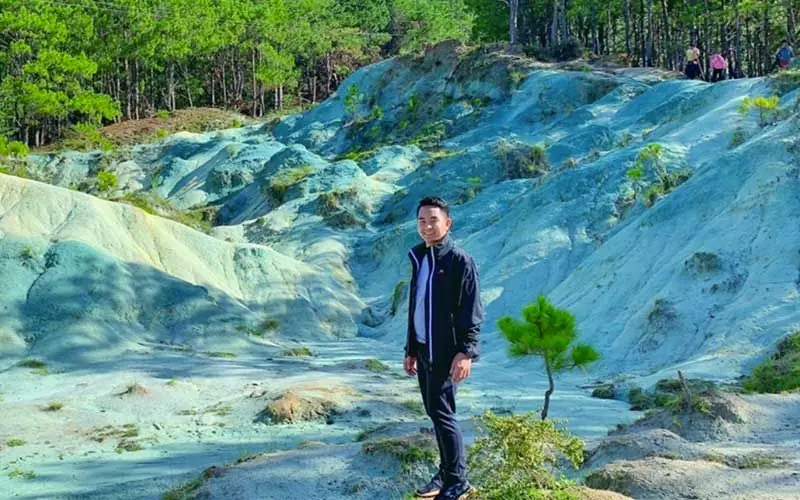
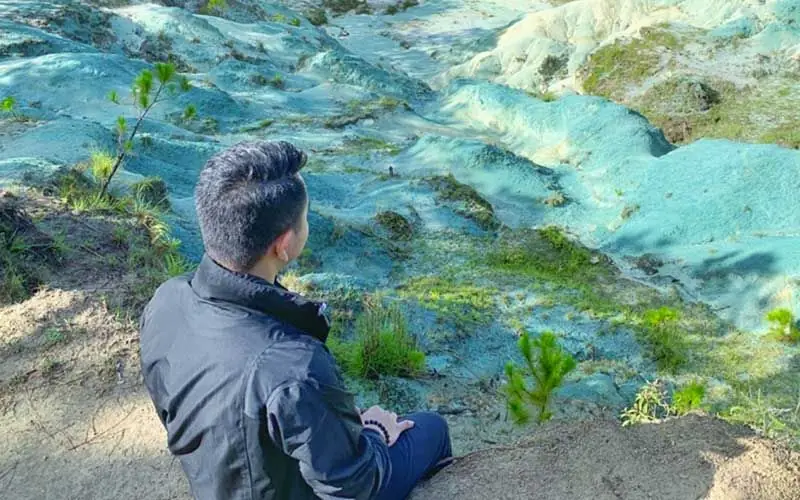
The Blue Soil Hills

The Blue Soil Hills of Sagada are exactly what the name says, a hillside of soil tinted an unusual blue-green. You will not see this anywhere else in the country.

The color, our guide explained, comes from copper sulfate in the soil, and it deepens when the ground is wet. Found at Kaman-Utek, it is one of Sagada's newer attractions and one more reason the town is worth the trip.

Mga Larawan

Sources · updated 4 October 2026
Photo credits (3)

Photos from Wikimedia Commons, used under the licences shown; some were resized. All photo credits