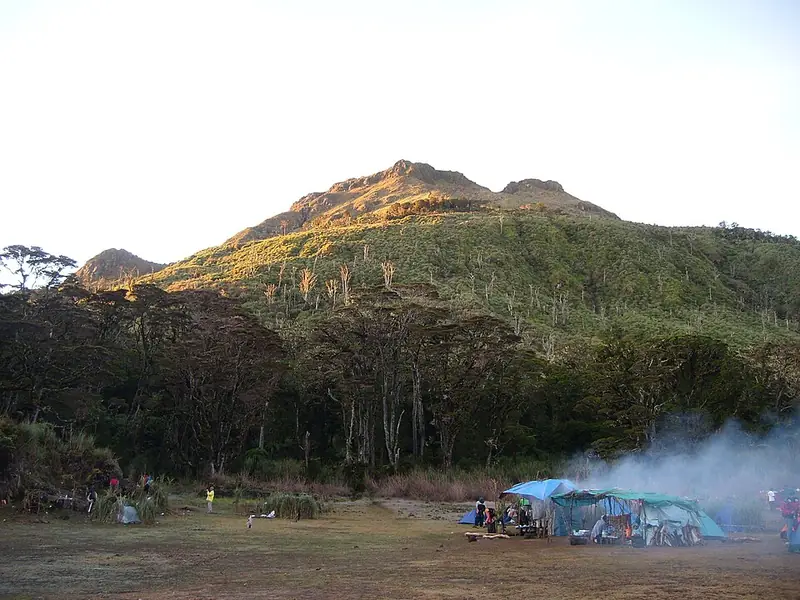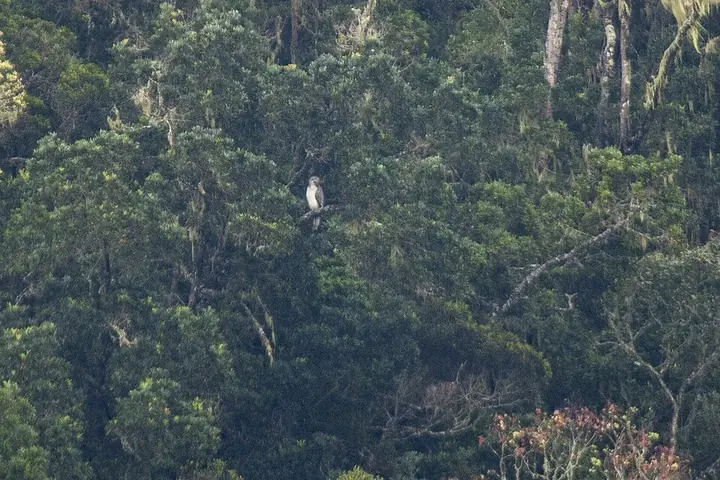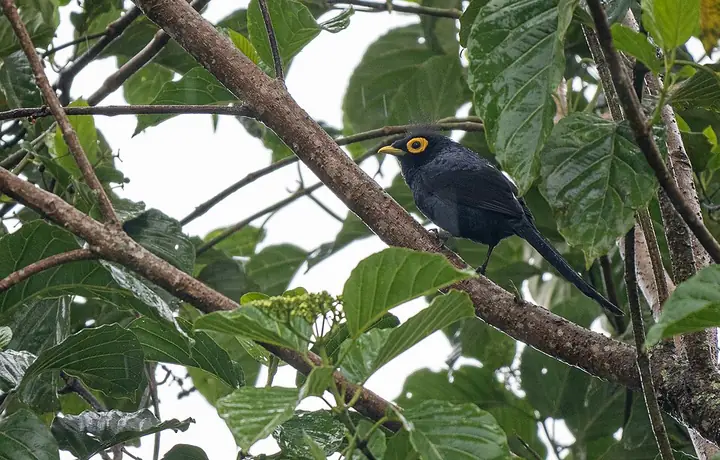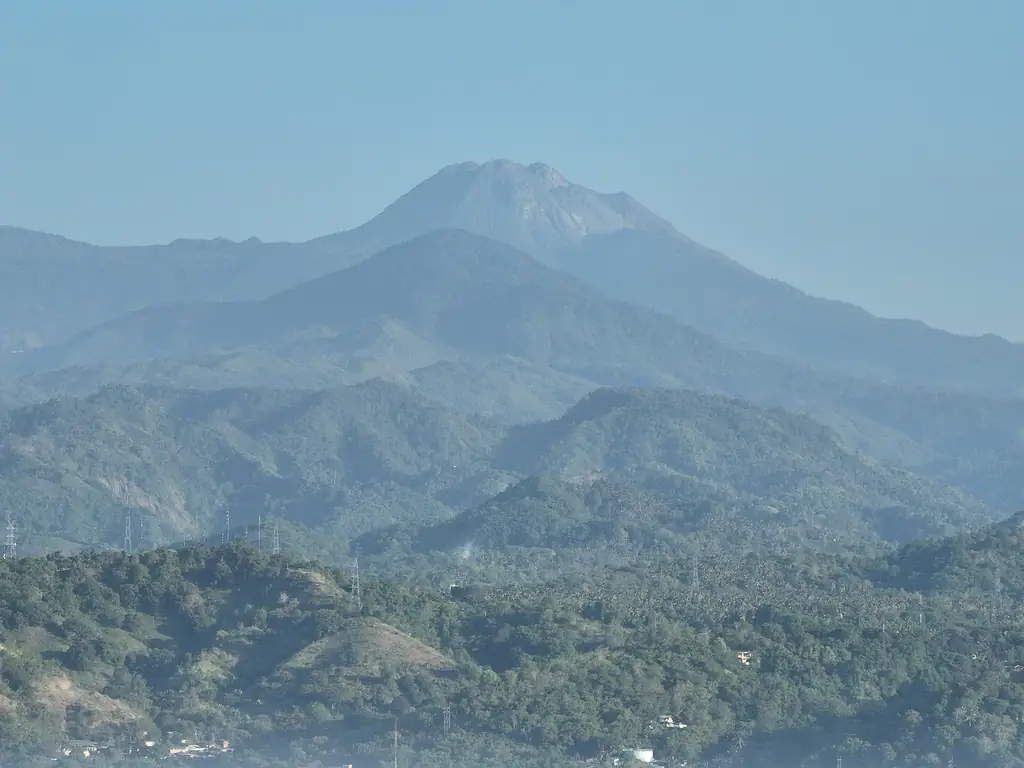
Davao del Sur occupies the southern portion of the Davao Gulf coast on Mindanao's eastern face. It is the province where the Philippines reaches its highest point: Mount Apo, at 2,954 meters, rises from the western interior and dominates the landscape in every sense — geographically, spiritually, and ecologically.
Digos City handles the administrative and commercial work of the province, sitting on the coastal plain between the gulf and the mountain. The city is surrounded by agricultural land — banana plantations, coconut groves, and smallholder rice farms that feed the regional economy.
Mount Apo stands at 2,954 meters — the tallest mountain in the Philippines. It is a large dormant stratovolcano, listed as potentially active, and the ancestral domain of the Manobo, Bagobo and other Lumad peoples, who consider it sacred. Climbing Apo requires permits from the indigenous communities, a requirement that is also a statement of sovereignty.
The B'laan and Bagobo peoples have inhabited this province long before it bore its Spanish-assigned name. Their communities persist in the upland barangays surrounding Apo, maintaining traditions of weaving, ritual, and land-based agriculture despite sustained pressure from migration, logging, and plantation development.
The 2024 census counted 705,129 people in the nine municipalities and one component city, Digos, that the provincial government administers. Davao City is part of the province for geographic and statistical purposes but governs itself. Digos, the capital, had 192,063 people in 2024 and calls itself the Mango Capital of the Philippines for its carabao mangoes. Santa Cruz, founded on 5 October 1884, is the oldest town in the province.